DOJ Charges MonsterCloud Chief With Paying Ransomware Gangs While Billing Victims
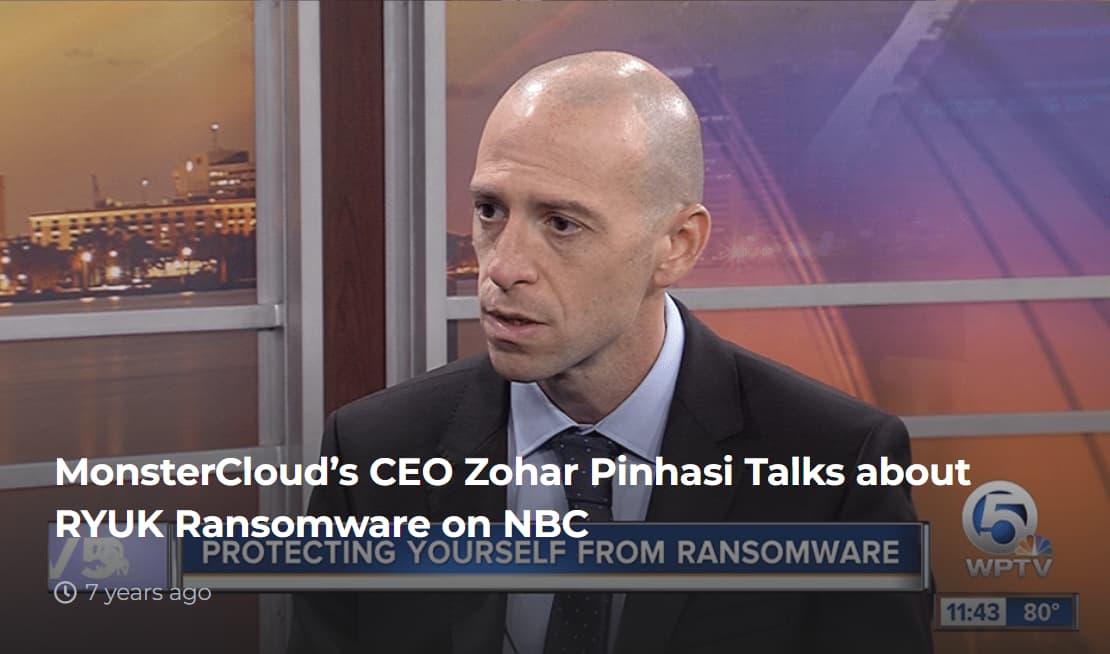
The U.S. Department of Justice has filed criminal allegations against Zohar Pinhasi, the chief executive of cybersecurity firm MonsterCloud, accusing him of covertly paying ransomware operators for decryption tools while simultaneously invoicing the affected companies for recovery services.
According to the indictment, Pinhasi is alleged to have negotiated directly with multiple ransomware groups, securing the cryptographic keys needed to unlock compromised data. Rather than disclosing these arrangements, he is said to have presented the decryption as a proprietary service offered by MonsterCloud, charging victims substantial fees for what was effectively a resale of the hackers' own work.
The scheme, prosecutors argue, created a conflict of interest that undermined the integrity of the firm’s security offerings. By acting as an intermediary between criminal actors and corporate victims, Pinhasi allegedly profited from both ends of the transaction – receiving payments from the ransomware gangs and later billing the same organizations for the same recovery.
Legal experts note that the case highlights a growing tension in the cybersecurity industry, where firms sometimes face pressure to deliver rapid remediation after ransomware attacks. While many providers collaborate with law enforcement to obtain decryption keys, the alleged secret payments to attackers cross a legal line, potentially constituting fraud and conspiracy to commit computer intrusion.
The DOJ’s complaint does not specify the total amount of money involved, but it underscores the broader risk that such practices pose to trust in incident‑response services. If convicted, Pinhasi could face significant penalties, including imprisonment and restitution to the companies that hired MonsterCloud.
MonsterCloud has not issued a public statement responding to the charges, and the company’s website remains operational. The indictment comes at a time when ransomware activity continues to surge globally, prompting regulators and industry groups to call for clearer standards on how security firms handle ransom negotiations and decryption key acquisition.
The case is expected to proceed through the federal courts later this year, and it may set a precedent for how law‑enforcement agencies pursue corporate executives who allegedly facilitate ransomware extortion schemes. Stakeholders in the cybersecurity ecosystem are watching closely, as the outcome could shape future policies on transparency and ethical conduct in ransomware response efforts.



Comments (0)
Be the first to comment.
Join the discussion