Microsoft Teams to Mask External QR Codes in Bid to Curb Phishing Threats
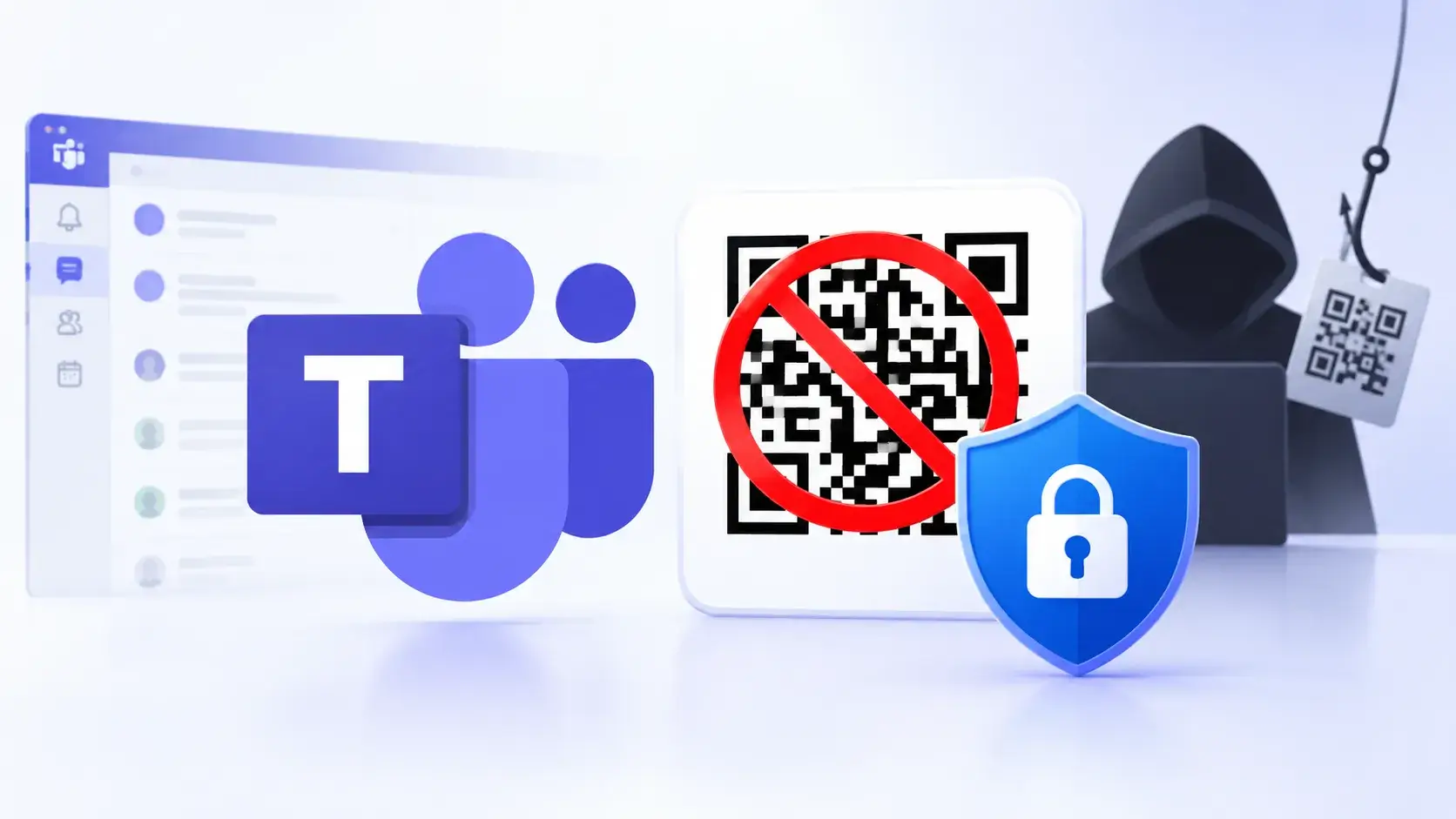
Microsoft announced that a new security option for Teams will automatically obscure QR codes received from users outside an organization. The feature, slated for inclusion in the Microsoft 365 roadmap, is designed to make it harder for malicious actors to use QR codes as a vector for phishing and fraud.
QR codes have become a popular shortcut for linking to websites, apps, and payment pages, but their visual simplicity also makes them attractive to cybercriminals. A QR image can be embedded in a chat message, and when scanned it may direct a victim to a counterfeit login portal, malware download, or fraudulent transaction site. By blurring or otherwise masking external QR codes, Teams aims to give IT administrators an extra layer of protection without disrupting legitimate internal communications.
The upcoming capability will be configurable through Teams admin settings, allowing organizations to choose whether to block QR codes entirely or to apply a visual obfuscation that requires users to request a clear view from the sender. This approach mirrors other Microsoft security tools that give admins granular control over content that could be exploited, such as link protection and safe attachments.
Security experts have noted a rise in QR‑based scams since the pandemic, when contactless interactions surged. While Microsoft has long offered anti‑phishing measures across its email and collaboration platforms, extending similar safeguards to the Teams messaging environment reflects the growing importance of real‑time collaboration tools in corporate workflows. The move also aligns with broader industry trends where software providers are hardening the user experience against social engineering tactics.
Microsoft has not provided a specific rollout date, but the feature appears on the public Microsoft 365 roadmap under a designated ID, indicating that it will be released to eligible tenants in the coming months. Organizations are encouraged to review their Teams security policies and prepare for the change, as the new setting may affect how external partners share QR‑based resources. As QR code usage continues to expand, the added protection could become a standard part of enterprise cyber‑defense strategies.



Comments (0)
Be the first to comment.
Join the discussion