MATCHBOIL Malware Evolves with Sandbox Evasion, .NET Obfuscation and Persistent C2 Channels
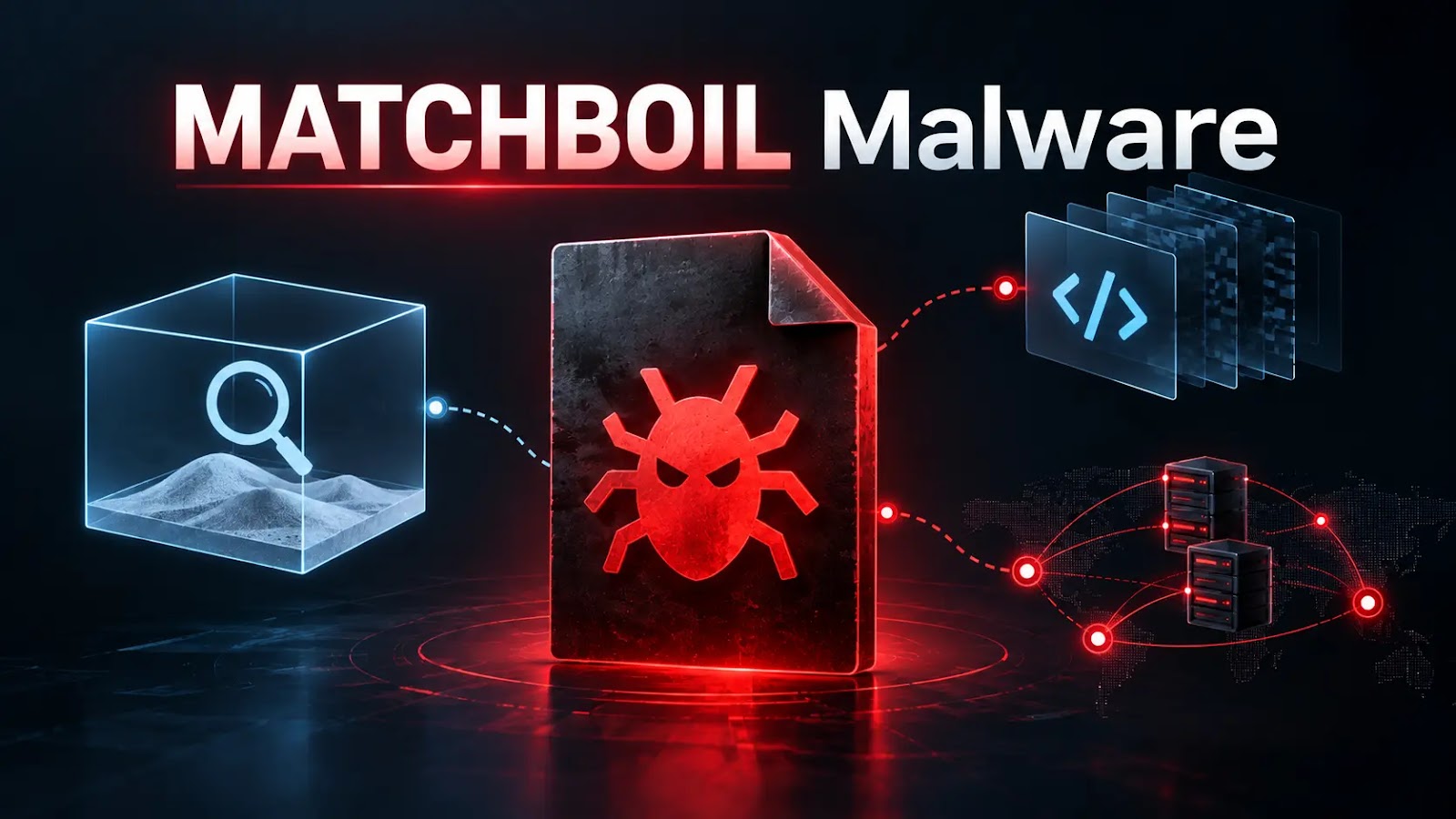
The MATCHBOIL threat, long tracked as a simple C# downloader, has been upgraded into a more sophisticated implant capable of maintaining ongoing command‑and‑control (C2) communications while actively evading analysis environments.
Security researchers attribute the latest version to the threat actor known as UAC‑0099. The new build incorporates sandbox detection routines that probe for virtualization artifacts and debugger presence, allowing the malware to halt its payload delivery when it suspects it is being examined.
In addition to the anti‑analysis checks, the code is now wrapped in a commercial .NET obfuscation tool, often referred to as a .NET reactor, which scrambles identifiers, control flow and metadata. This layer of protection complicates static analysis and signature generation, forcing defenders to rely on behavioral detection.
Beyond technical hardening, the implant presents a deceptive user interface that mimics legitimate Windows dialogs, increasing the likelihood of successful social engineering. Persistence mechanisms have also been revised: the malware now creates scheduled tasks and leverages registry run keys to re‑establish itself after system reboot, ensuring a longer foothold.
Analysts note that the shift toward recurring C2 communication marks a strategic move from one‑off data theft to a platform that can receive updated modules, exfiltrate data continuously, and adapt to defensive measures. The evolution underscores the growing trend of low‑profile, modular malware that blends into enterprise environments while remaining under the radar.
While the core functionality—downloading additional payloads—remains, the added layers of evasion and persistence raise the threat’s potential impact. Organizations are advised to monitor for anomalous scheduled tasks, unexpected .NET processes, and irregular network traffic to known C2 endpoints, and to employ sandbox‑aware detection solutions.
The findings were first disclosed by the GBHackers community, prompting a broader call for updated detection signatures across security vendors. As UAC‑0099 continues to refine MATCHBOIL, the cybersecurity community will need to adapt its defenses to counter this increasingly resilient adversary.



Comments (0)
Be the first to comment.
Join the discussion