Live-Streaming Platforms Grapple with New Moderation Hurdles Amid Encryption and Privacy Demands
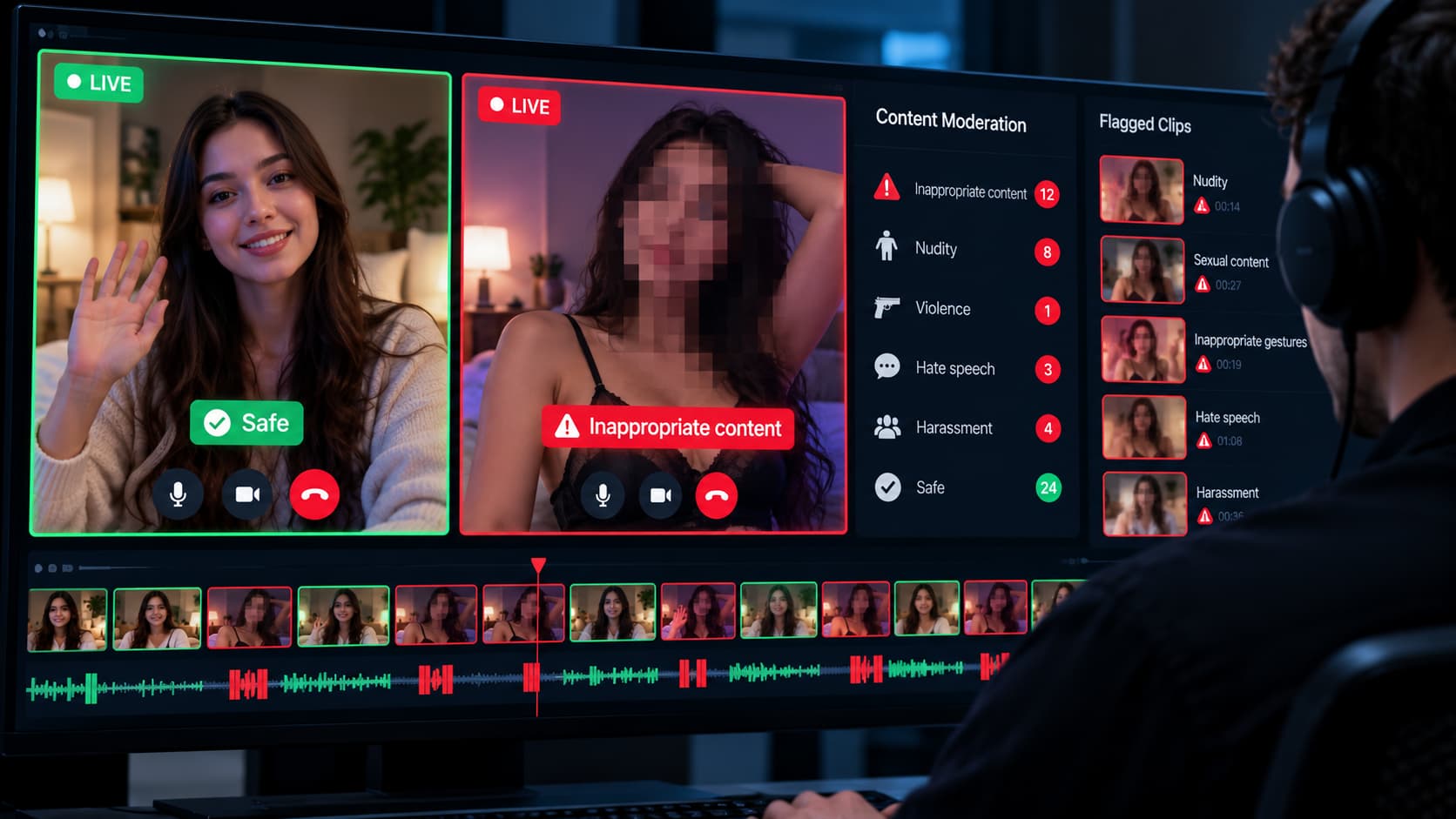
As real‑time video becomes a staple of social media, platforms are confronting technical and policy obstacles that strain traditional content‑safety tools. Unlike pre‑recorded uploads, live streams must be evaluated on the fly, forcing companies to adopt frame‑sampling techniques that balance speed with accuracy while respecting user privacy.
Most live‑streaming services now rely on algorithms that extract a subset of video frames for automated analysis, rather than processing every single image. This approach reduces computational load but can miss brief, illicit content that appears between sampled intervals. To mitigate the gap, providers are layering behavioural signals—such as sudden spikes in viewer counts, rapid chat activity, or atypical user movements—into their detection models, allowing the system to flag streams that merit deeper human review.
End‑to‑end encryption adds another layer of complexity. While it safeguards user data from external interception, it also limits the ability of platform‑side scanners to access raw video streams. Some companies are experimenting with on‑device moderation, where encrypted content is briefly decrypted in a secure enclave for analysis before being re‑encrypted, a method that raises both technical and legal questions about data handling.
Privacy concerns extend beyond encryption. Regulations in Europe and elsewhere require that any retained footage be stored only as long as necessary for safety checks. Consequently, platforms must design retention policies that keep potentially harmful clips for a short window—often a few hours—while still providing evidence for law‑enforcement requests. This tight timeframe pressures moderators to make rapid, high‑stakes decisions without the benefit of full context.
Industry analysts predict that the convergence of these challenges will spur a new generation of hybrid moderation solutions, blending lightweight AI with selective human oversight. As governments tighten rules around harmful live content and users demand stronger privacy guarantees, platforms will need to refine their sampling algorithms, improve on‑device processing capabilities, and clarify retention practices to stay compliant and protect audiences.



Comments (0)
Be the first to comment.
Join the discussion