Ledger urges Asian retailers to pause hardware wallet sales amid tampering probe
Ledger, a leading crypto hardware wallet maker, has instructed resellers and distributors in several Asian markets to stop selling its devices and pull existing stock while it investigates reports of tampering.
The directive covers Indonesia, Singapore, Thailand, the Philippines, Vietnam, Malaysia and Hong Kong. Ledger’s notice asks retailers to remove the products from shelves and suspend online listings until the company can confirm whether any devices have been compromised.
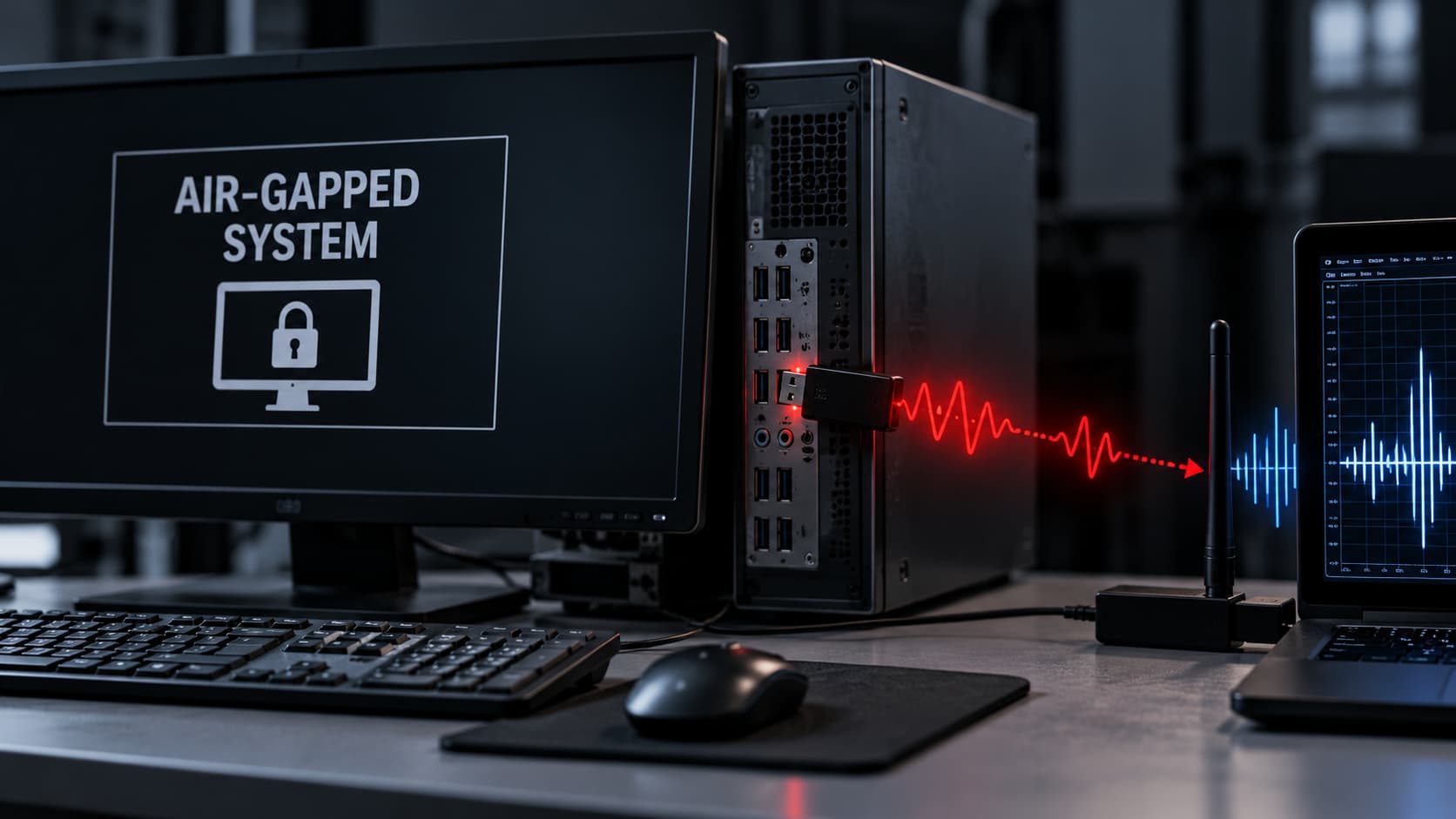
The move follows a supply‑chain incident that surfaced earlier this month, in which analysts identified anomalies in a batch of Ledger devices that could allow malicious actors to extract private keys. Ledger said the investigation is ongoing and that it is working with manufacturers and logistics partners to trace the source of the breach.
Ledger’s hardware wallets are among the most widely used tools for storing cryptocurrency offline, a practice known as cold storage. Because the devices hold the private keys that grant access to digital assets, any compromise can have severe financial consequences for users.
The company’s swift response mirrors industry practice after supply‑chain attacks, such as the 2020 SolarWinds intrusion, where vendors temporarily halted sales to contain potential damage. By recalling products, Ledger aims to prevent compromised units from reaching end‑users and to preserve confidence in its security model.
Analysts note that the affected regions represent a growing share of the global crypto market, with Southeast Asia seeing rapid adoption of digital assets. A disruption in product availability could push users toward alternative wallets or software solutions, potentially affecting Ledger’s market share.
Ledger has not disclosed the number of units under review, nor indicated whether any customers have reported unauthorized transactions. The company pledged to publish a detailed report once the forensic analysis is complete and to offer replacements or refunds where tampering is confirmed.
Regulators in several jurisdictions have been increasing scrutiny of crypto‑related products, and a supply‑chain breach may draw additional oversight. Ledger’s cooperation with local authorities could shape future compliance requirements for hardware wallet manufacturers operating in the region.
For now, the pause remains in effect, and Ledger advises owners of existing devices to verify firmware integrity through official channels. The incident underscores the broader challenge of securing the hardware supply chain in an industry where digital assets are a prime target for cyber‑crime.


Comments (0)
Be the first to comment.
Join the discussion