Bipartisan Lawmakers Form AI Safety Caucus as Security Risks Mount
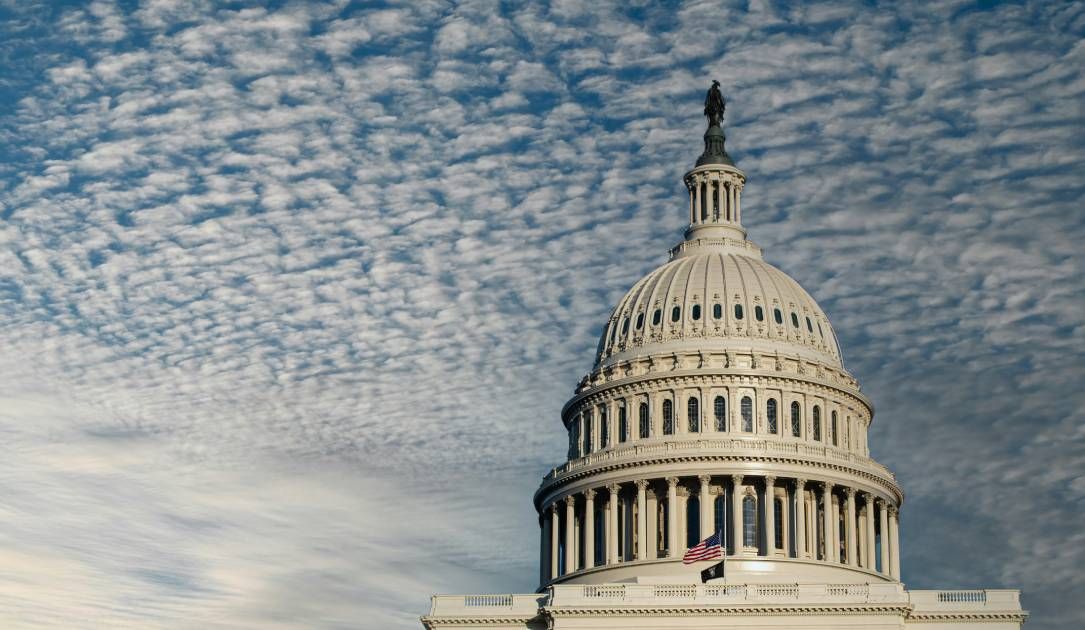
In response to escalating concerns over the security implications of artificial intelligence, a group of congressional members has organized a new AI safety caucus. The caucus, which began with 26 founding legislators, aims to foster dialogue and develop policies that address potential threats posed by rapidly advancing AI technologies.
Notably, seven of the founding members identify as Republicans, a figure that stands out given the current administration's firm stance against imposing new regulations on AI. The presence of a sizable Republican contingent suggests a growing bipartisan recognition that unchecked AI development could pose risks that transcend party lines.
The caucus emerges amid a broader national conversation about AI safety, following a series of high‑profile incidents that have highlighted vulnerabilities such as deep‑fake misinformation, automated cyber‑attacks, and the potential for bias in decision‑making systems. Lawmakers have expressed worry that without coordinated oversight, these tools could be leveraged for malicious purposes or exacerbate existing societal challenges.
While the White House has consistently argued that heavy‑handed regulation could stifle innovation and economic growth, the caucus plans to focus on pragmatic measures. These may include encouraging transparency standards for AI developers, supporting research into defensive AI techniques, and facilitating inter‑agency collaboration to monitor emerging threats. By positioning themselves as a forum for constructive discussion rather than a regulatory crusade, the members hope to bridge the divide between industry interests and public safety concerns.
Analysts predict that the caucus could influence future legislation, especially as Congress prepares to consider funding bills that allocate resources for AI research and security initiatives. The group's bipartisan makeup may also make it a key player in shaping any forthcoming federal guidelines. As AI systems become increasingly embedded in critical infrastructure, the caucus's work will likely be watched closely by both technology firms and advocacy groups seeking to ensure that safety considerations keep pace with innovation.



Comments (0)
Be the first to comment.
Join the discussion