Senators Urge Treasury to Blacklist Indian Hack‑for‑Hire Networks Targeting U.S. Data
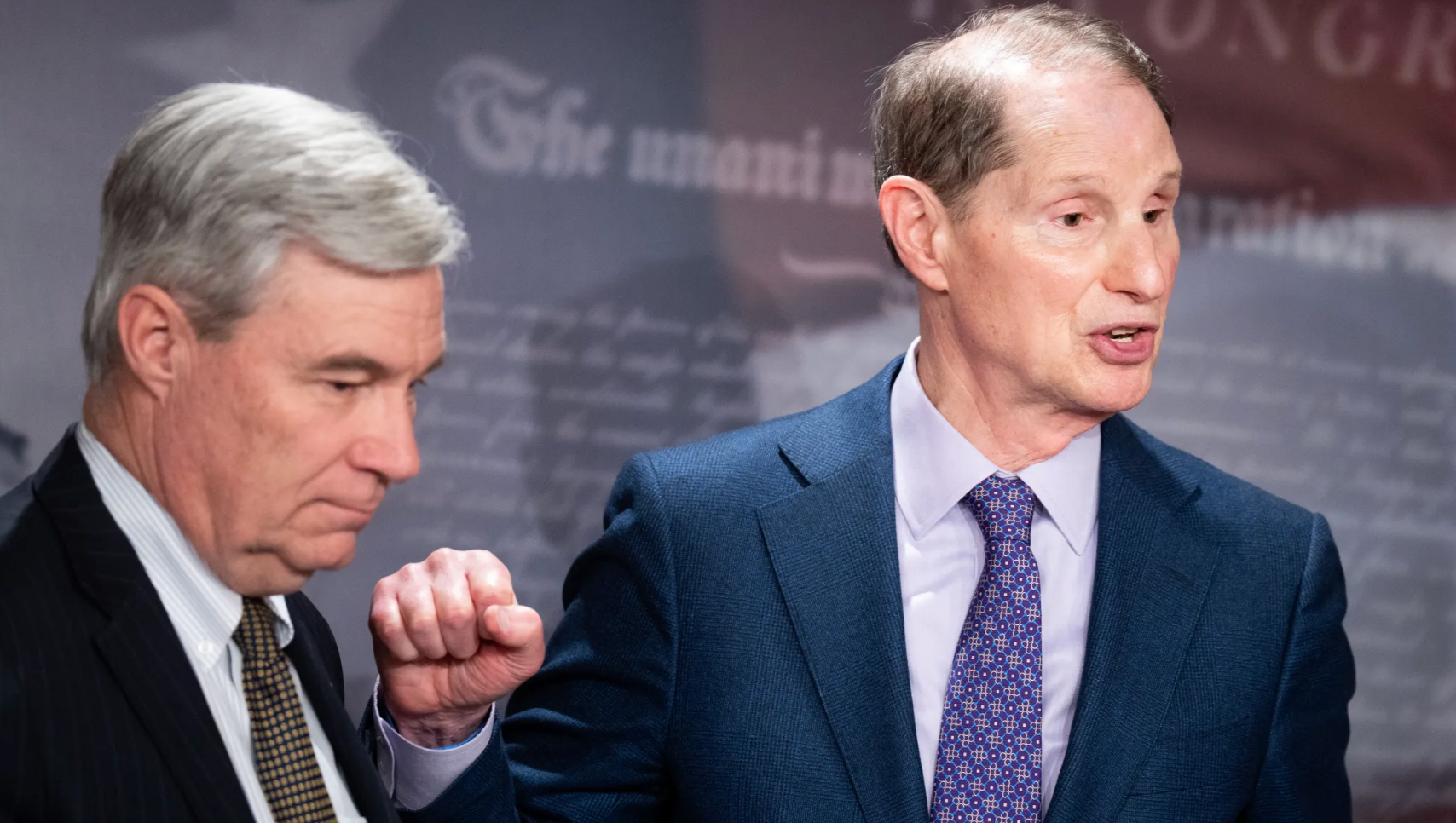
A bipartisan group of U.S. senators has formally requested that the Treasury Department impose sanctions on three India‑based hack‑for‑hire outfits accused of exfiltrating personal and corporate information from thousands of Americans.
The appeal, led by Senators Ron Wyden of Oregon and Sheldon Whitehouse of Rhode Island along with a third colleague, cites intelligence reports that the three groups operate as mercenary cyber units, selling access to compromised networks and data to the highest bidder.
Under the authority of the Office of Foreign Assets Control, the Treasury can freeze assets, bar transactions, and prohibit U.S. persons from dealing with designated entities. By placing the Indian firms on the sanctions list, the administration would aim to disrupt their financial lifelines and deter future attacks on U.S. targets.
Hack‑for‑hire services have become a growing concern for policymakers, as they lower the barrier to entry for cybercrime. Threat actors can purchase ready‑made malware, exploit kits, or even entire compromised networks without needing deep technical expertise. The alleged activity of the three Indian groups fits this model, allegedly compromising data ranging from consumer credit records to corporate trade secrets.
Lawmakers argue that the lack of a coordinated response to such transnational cyber operations leaves American businesses and citizens vulnerable. They point to recent incidents where data breaches have been traced back to offshore actors, underscoring the need for a robust, punitive toolkit that includes economic sanctions.
The move arrives amid broader diplomatic discussions between Washington and New Delhi over cybercrime cooperation. While both nations have expressed a willingness to tackle illicit online behavior, the senators’ request signals a more assertive stance, emphasizing that financial penalties will be employed when diplomatic channels fall short.
If the Treasury acts on the recommendation, the sanctions would likely trigger a cascade of compliance actions by U.S. banks and technology firms, potentially limiting the groups’ ability to move money or acquire services abroad. Observers note that such a step could also set a precedent for targeting other foreign cyber‑crime enterprises, expanding the United States’ strategic options in the digital domain.


Comments (0)
Be the first to comment.
Join the discussion