Congress Delays AI Safety Bill Until 2027, Citing Legislative Complexity
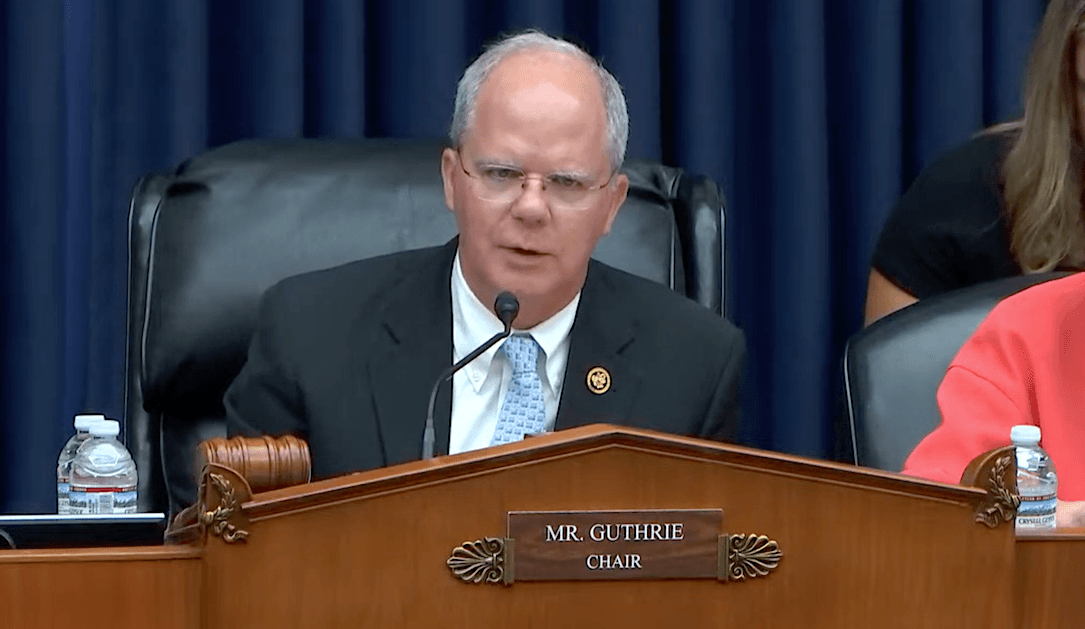
House Energy and Commerce Committee Chairman Brett Guthrie indicated that the much‑discussed FRONTIER Act, a proposal aimed at establishing federal safeguards for artificial intelligence, will not move forward until the 2027 session. The decision reflects concerns about the intricacy of the legislation and a reluctance to push it through a brief, post‑election lame‑duck period.
Guthrie explained, "It's really complicated, and I wouldn't want to do something in a lame duck session to do it quickly and not get it right," underscoring the desire for a thorough deliberation rather than a rushed vote. The chairman’s remarks suggest that lawmakers prefer to allocate adequate time for stakeholder input, technical assessments, and bipartisan negotiation before committing to a regulatory framework.
The FRONTIER Act emerged amid growing calls from industry leaders, consumer advocates, and national security experts for clearer rules on AI development and deployment. Provisions under consideration include mandatory risk assessments for high‑impact models, transparency requirements for training data, and a federal oversight board to coordinate with existing agencies such as the FTC and the Department of Commerce.
Historically, Congress has struggled to keep pace with rapid advances in AI technology. Earlier attempts to pass AI‑related measures have stalled due to divergent views on the balance between innovation and precaution. The postponement to 2027 aligns with the typical legislative calendar, where major reforms are often introduced at the start of a new Congress, allowing fresh committee assignments and a full legislative session to shape the bill.
Stakeholders are watching the timeline closely. Tech companies have warned that overly prescriptive rules could hinder research and global competitiveness, while civil‑rights groups argue that delayed action could exacerbate bias, privacy breaches, and other societal harms. The extended horizon may give both sides additional time to craft compromises, but it also prolongs the period without a cohesive national AI safety strategy.
Looking ahead, the committee is expected to hold hearings in early 2025 to gather expert testimony, followed by a drafting phase that could produce a revised bill for floor consideration in the 2026 session. If the legislation gains sufficient bipartisan support, it could be formally introduced in the 2027 Congress, where it would face the usual procedural hurdles of markup, amendment, and potential reconciliation between the House and Senate. Until then, the future of federal AI oversight remains in a holding pattern, reflecting both the promise and the perils of a technology that continues to outpace policy.



Comments (0)
Be the first to comment.
Join the discussion