Italy’s Foreign Ministry Website Targeted in Cyberattack, Prompting EU‑wide Security Review
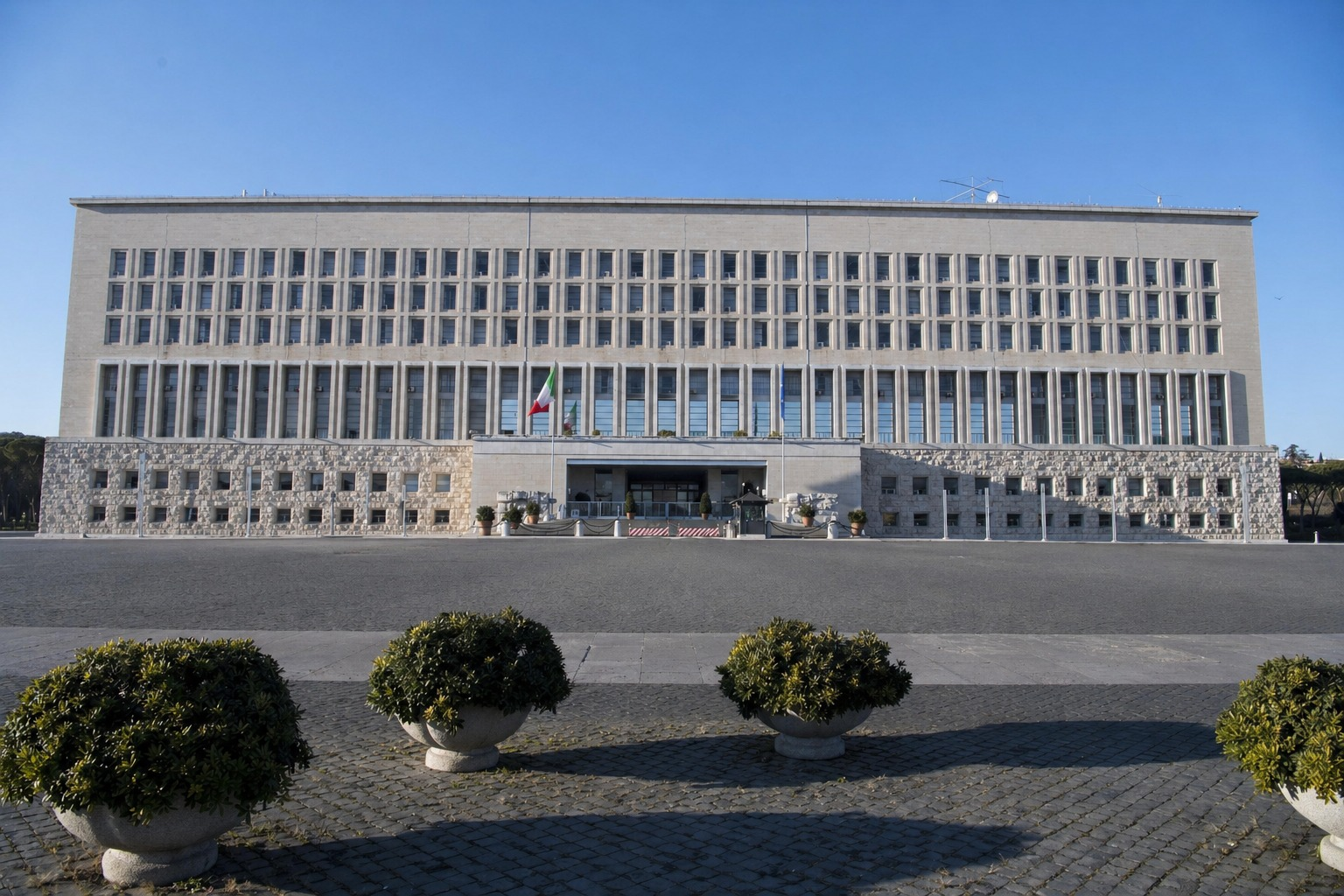
Italy’s Ministry of Foreign Affairs confirmed on the morning of October 8 that its public website was the focus of a coordinated cyberattack, prompting an immediate defensive response and a broader review of the digital security of its overseas diplomatic platforms.
The ministry’s statement said that technical teams were actively mitigating the intrusion while simultaneously auditing the online presence of Italian embassies and consulates worldwide. Officials emphasized that the attack appeared to be directed at the central portal that aggregates information on Italy’s diplomatic network, though they did not disclose details about the methods used or the extent of any data compromise.
Cyber incidents against governmental portals have risen across Europe in recent months, with several member states reporting attempts to deface sites, exfiltrate data, or disrupt services. Such attacks are often linked to sophisticated threat actors who exploit vulnerabilities in legacy systems or leverage phishing campaigns to gain footholds. The heightened digital exposure of foreign ministries—owing to the need for real‑time public communication and service delivery—makes them attractive targets for both state‑aligned and financially motivated groups.
In response, Italy’s foreign ministry called on the European Union to accelerate collaborative measures aimed at identifying the perpetrators and strengthening collective defenses. The appeal aligns with ongoing EU initiatives, such as the European Union Agency for Cybersecurity (ENISA) and the Cybersecurity Act, which seek to harmonize incident‑response protocols and facilitate information sharing among member states.
Security experts note that embassy websites, while often less trafficked than domestic portals, hold sensitive diplomatic content, including visa information, travel advisories, and contact details for officials. A breach could not only undermine public trust but also expose diplomatic communications to manipulation, potentially affecting bilateral relations.
While the Italian ministry refrained from attributing the attack to any particular actor, it underscored the importance of rapid containment to prevent lateral movement across the broader network of diplomatic sites. The ministry’s cyber‑defense unit has engaged with national CERT (Computer Emergency Response Team) resources and is coordinating with the EU’s Computer Emergency Response Team for the EU Institutions (CERT‑EU) to exchange threat intelligence.
Looking ahead, the ministry indicated that a comprehensive audit of all foreign‑service digital assets will be conducted, with a focus on patch management, multi‑factor authentication, and intrusion‑detection capabilities. The outcome of this review is expected to feed into a set of recommendations for other EU diplomatic missions, reinforcing a unified stance against cyber threats.
The incident serves as a reminder that even routine public‑facing portals are vulnerable in an era of increasingly sophisticated cyber operations. As Italy pushes for a coordinated EU response, the episode may accelerate discussions on a more robust, continent‑wide framework for protecting the digital infrastructure that underpins diplomatic engagement.



Comments (0)
Be the first to comment.
Join the discussion