Ransomware Sentencing, AI‑Powered WordPress Attack and a Major SAP Vulnerability Highlight Growing Cyber Threat Landscape

Several high‑profile security developments have emerged this week, ranging from a court sentencing of a ransomware author to the discovery of an AI‑driven exploit targeting a popular WordPress plugin, and the identification of a critical flaw in SAP's enterprise software suite.
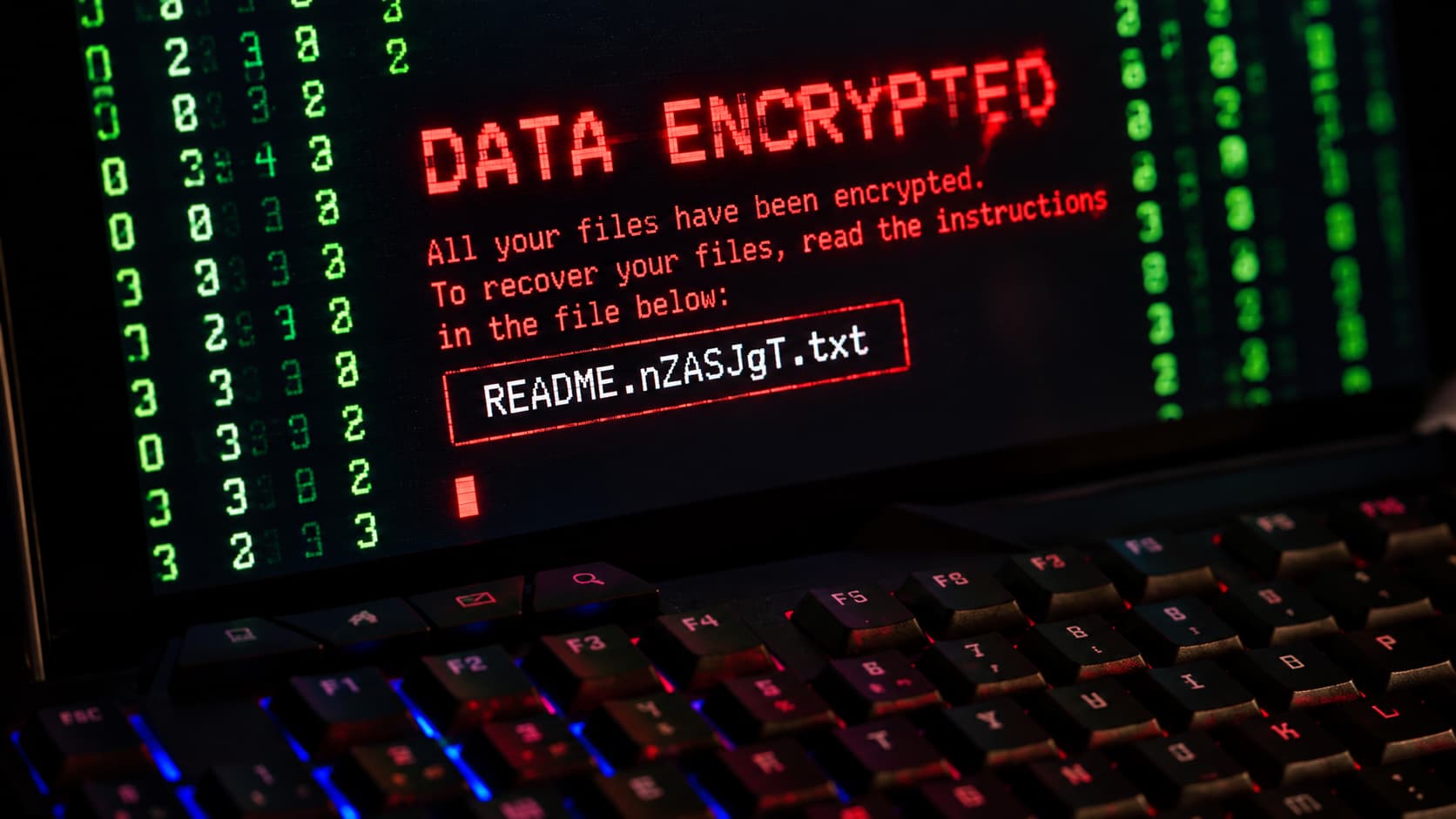
The individual behind a prolific ransomware operation was handed a prison term after federal prosecutors linked the suspect to multiple extortion campaigns that disrupted businesses across multiple sectors. While the exact length of the sentence was not disclosed, authorities emphasized that the conviction sends a clear message that cybercriminals will face tangible consequences, even as ransomware groups continue to evolve their tactics.
In parallel, security researchers flagged a novel attack dubbed "Plugin4Shell," which leveraged generative AI tools to automatically generate exploit code against a widely used WordPress plugin. The technique underscores a trend highlighted in Mandiant's 2026 AI risk report, which warned that artificial intelligence is lowering the barrier for creating sophisticated malware. The report noted that AI can accelerate vulnerability discovery, code obfuscation, and payload customization, making attacks faster and more adaptable.
Adding a twist to the narrative, a well‑known bug bounty hunter employed a tool named PhantomRaven—originally designed for defensive testing—to demonstrate how the same AI‑enhanced methods could be turned maliciously. By repurposing PhantomRaven, the researcher was able to automate the exploitation of the WordPress plugin flaw, confirming that the same capabilities used for responsible disclosure can be weaponized if they fall into the wrong hands.
Meanwhile, a separate advisory warned of a critical vulnerability in SAP's core ERP platform. The flaw, rated as high severity, could allow unauthenticated attackers to execute arbitrary commands on affected systems, potentially compromising sensitive financial and operational data. Given SAP's deep integration in large enterprises, the exposure raises concerns about supply‑chain risk and the need for rapid patch deployment across global networks.
Collectively, these incidents illustrate the expanding attack surface that organizations must defend against. Law enforcement actions against ransomware operators, combined with industry alerts about AI‑augmented exploits and legacy enterprise software weaknesses, highlight a multi‑front challenge for security teams. Experts suggest that firms should prioritize timely patching, invest in AI‑aware threat detection, and collaborate with regulators to ensure that emerging tools are used responsibly. As the cyber threat landscape continues to evolve, the balance between innovation and protection remains a critical focus for both the private and public sectors.


Comments (0)
Be the first to comment.
Join the discussion