Understanding IMSI and IMEI: How Mobile Devices Identify Themselves and What It Means for Privacy
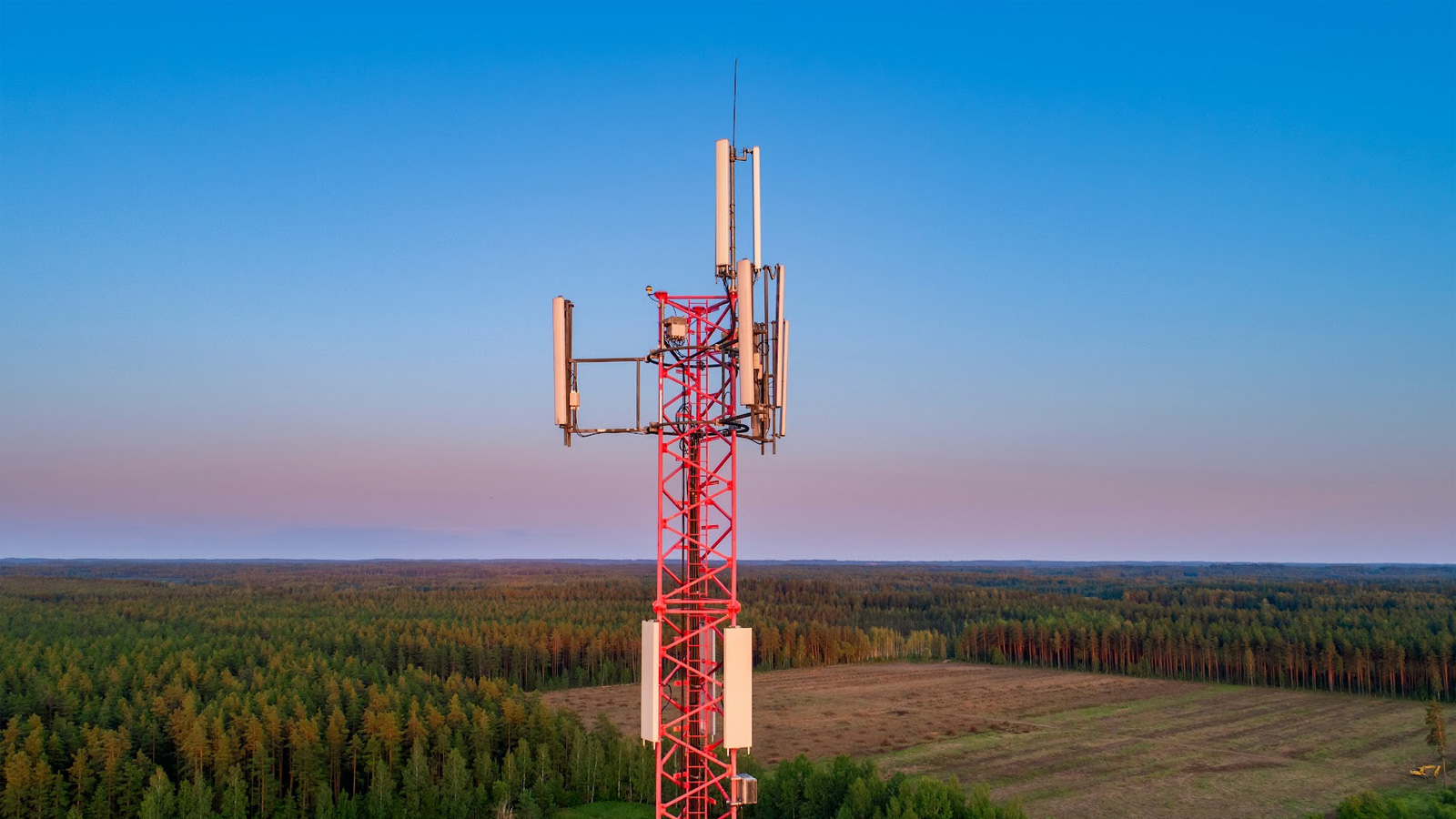
Every smartphone transmits two distinct identifiers when it connects to a cellular network: the International Mobile Subscriber Identity (IMSI) and the International Mobile Equipment Identity (IMEI). While both are essential for network operation, they serve different purposes and expose users to varying degrees of tracking risk.
The IMEI is a permanent, hardware‑linked serial number that uniquely identifies the physical device. Carriers and law‑enforcement agencies use it to block stolen phones, manage inventory, and enforce device warranties. In contrast, the IMSI is tied to the subscriber’s SIM card and represents the user's subscription rather than the handset itself. It is assigned by the mobile operator and changes only when the SIM is replaced or re‑provisioned.
Because the IMSI is linked to the user’s account, it can reveal the individual's location whenever the phone registers with a cell tower. Attackers who gain access to IMSI data—through rogue base stations, malicious apps, or intercepted signaling traffic—can potentially monitor a device’s movements in real time. The IMEI, while also visible to the network, does not directly disclose the subscriber’s identity, making it less valuable for personal tracking but still useful for device‑specific attacks such as cloning.
Security researchers have demonstrated that IMSI harvesting is feasible with relatively inexpensive equipment that mimics a legitimate cell tower, a technique known as IMSI catching. Once captured, the identifier can be fed into databases that map IMSIs to phone numbers, allowing adversaries to correlate location data with personal contacts. The risk is heightened in regions where mobile operators do not encrypt signaling protocols, leaving the identifiers exposed in clear text.
One mitigation strategy gaining attention is IMSI rotation. Some modern networks support temporary IMSI values that change periodically, limiting the window an attacker has to link a captured identifier to a specific user. By refreshing the IMSI at regular intervals, the continuity of tracking is disrupted, forcing surveillance efforts to start over each time a new identifier appears. This approach complements existing privacy tools such as VPNs and encrypted messaging, offering a layer of protection at the cellular level.
While rotating IMSIs can reduce the effectiveness of passive tracking, it is not a universal solution. Implementation depends on carrier support and device compatibility, and the process may introduce latency as the network re‑authenticates the subscriber. Nonetheless, the technique underscores a broader shift toward privacy‑by‑design in mobile communications, prompting operators to consider more robust authentication mechanisms and encouraging users to stay informed about the data their phones broadcast. As the ecosystem evolves, both consumers and regulators are likely to push for clearer standards that balance network reliability with individual privacy rights.



Comments (0)
Be the first to comment.
Join the discussion