Enterprises Adopt Next‑Gen PAM to Safeguard AI‑Driven Agents
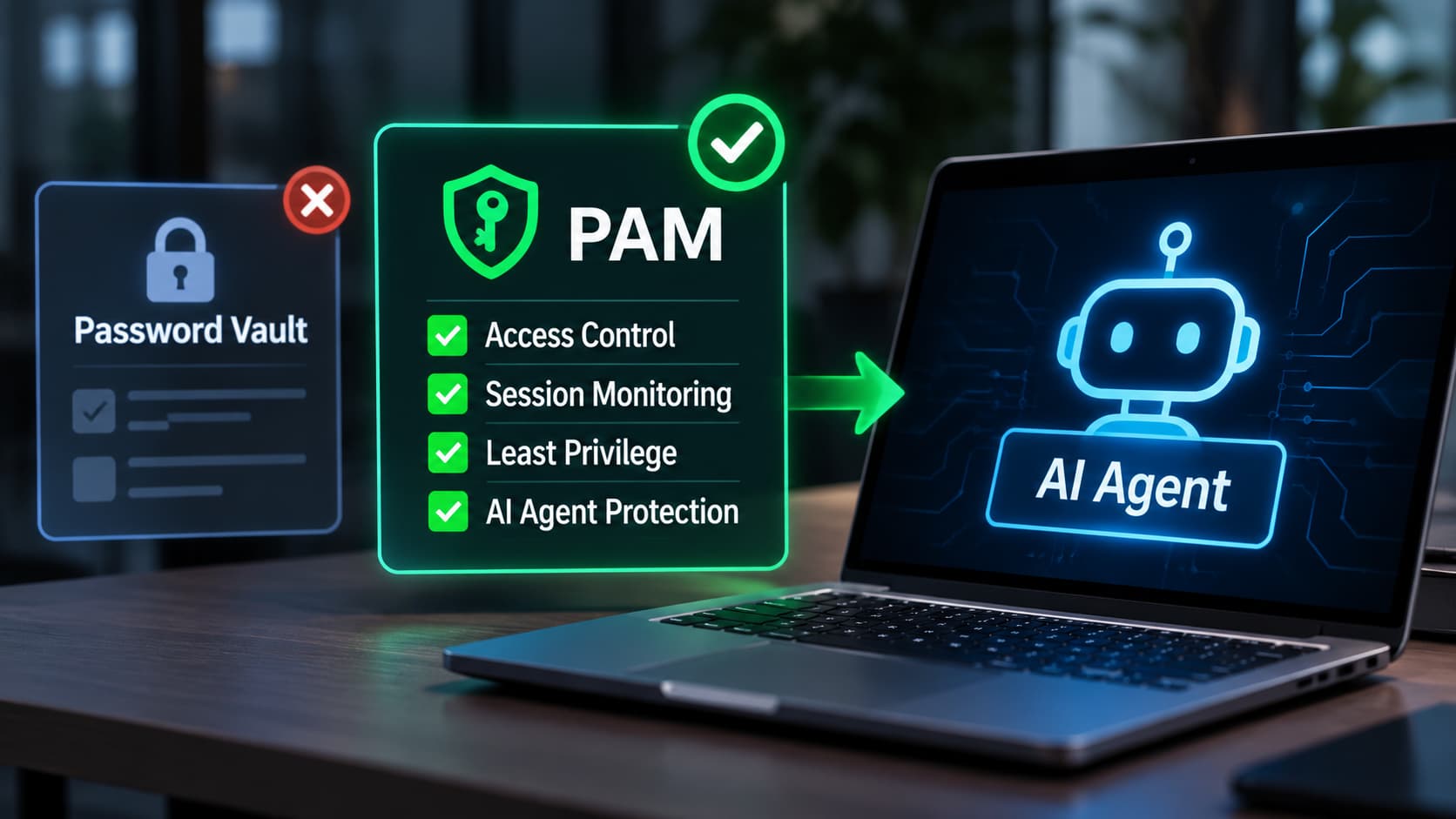
As artificial‑intelligence‑powered software agents become a routine part of corporate IT environments, security teams are upgrading privileged access management (PAM) platforms to extend protection beyond human users. The shift reflects a growing recognition that conventional password vaults, built for static human credentials, leave critical gaps when AI tools require privileged access to servers, databases or cloud services.
Traditional PAM solutions focus on storing, rotating and auditing passwords, SSH keys and other secrets for administrators and power users. They enforce policies such as just‑in‑time access, session recording and multi‑factor authentication, but those controls assume a human is present to request and approve each session.
Modern AI agents—ranging from large‑language‑model assistants that automate ticket resolution to autonomous scripts that provision infrastructure—often need the same elevated permissions that human operators use. Because these agents operate continuously and at scale, they can quickly become a conduit for credential leakage if the underlying PAM system cannot distinguish between a user‑initiated request and an automated process.
Password vaults struggle with this scenario. They typically issue long‑lived static credentials, which are ill‑suited for the dynamic, context‑aware nature of AI workloads. Moreover, vaults lack the ability to apply granular policies that factor in an agent’s purpose, risk profile or execution environment, leading to over‑privileged access and increased attack surface.
Next‑generation PAM products address these shortcomings by introducing features such as dynamic secret generation, policy templates tailored for machine identities, and real‑time risk scoring that evaluates each AI‑initiated request. Integration with identity‑as‑a‑service platforms enables automated enrollment of agents, while continuous monitoring records every privileged action for audit trails. Some solutions also embed AI‑specific controls, like limiting the scope of commands an agent can run or requiring additional verification when an agent attempts to access high‑value assets.
Security leaders see these enhancements as a way to align privileged access practices with broader Zero Trust initiatives. By treating AI agents as distinct identity principals, organizations can enforce least‑privilege principles, reduce credential sprawl and satisfy compliance requirements that increasingly reference machine‑to‑machine interactions. The transition does demand careful planning, including inventorying existing AI workloads and mapping their access needs.
Industry analysts expect the market for AI‑aware PAM to expand rapidly as more enterprises adopt generative AI tools for daily operations. Vendors are already announcing roadmaps that embed AI risk analytics directly into privileged access workflows, and standards bodies are discussing guidelines for machine identity governance. The evolution signals a broader shift toward security architectures that accommodate both human and artificial actors without compromising control.



Comments (0)
Be the first to comment.
Join the discussion