Cybercriminals Exploit AD Replication to Harvest Password Hashes via DCSync
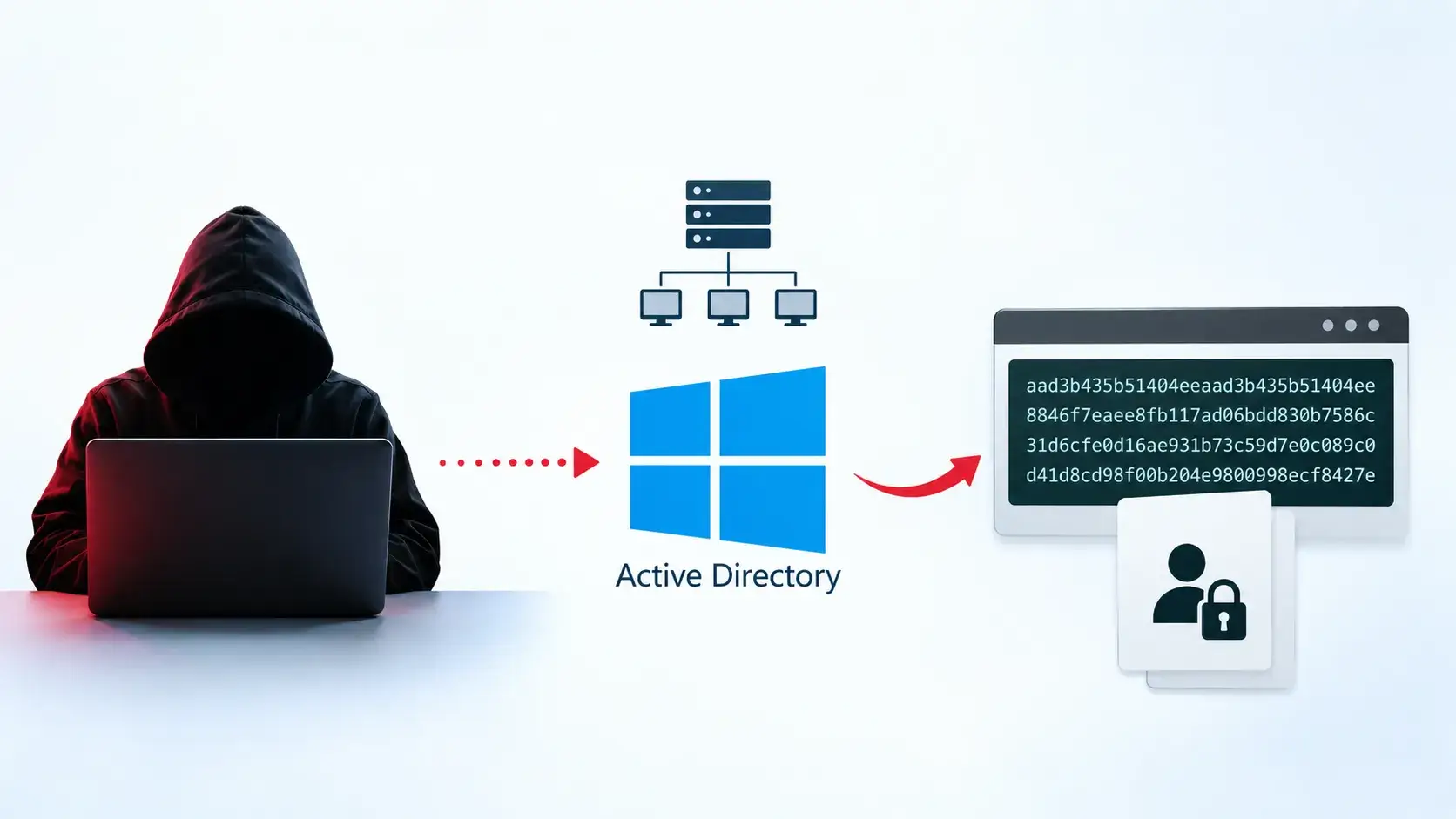
Security researchers have observed a rise in attacks that target Microsoft Active Directory's replication process to exfiltrate password hashes, bypassing the need to compromise a domain controller directly. The method, known as DCSync, enables adversaries who have already obtained privileged domain credentials to masquerade as a trusted domain entity and request authentication data from other domain controllers.
Unlike traditional credential‑stealing techniques that require malware to be planted on a server, DCSync leverages built‑in Windows APIs designed for legitimate replication. By issuing a series of replicated directory queries, an attacker can retrieve the NTLM and LM hash values for any account in the forest, including those of high‑value administrators.
The tactic has gained traction because it reduces the operational footprint of an intrusion. Once an attacker gains a foothold with a domain‑admin level account—often through phishing, credential dumping, or lateral movement—they can execute DCSync from a compromised workstation without raising the same alarms associated with direct DC access. This stealthy approach also sidesteps many network‑segmentation defenses that focus on protecting the domain controller itself.
Experts warn that the growing prevalence of DCSync underscores the importance of strict credential hygiene and robust monitoring. Recommendations include enforcing the principle of least privilege, implementing tiered admin models, and enabling privileged access workstations (PAWs) for high‑risk accounts. Additionally, auditing tools that log replication‑related events—such as Event ID 4662 and 4663—can help detect anomalous requests indicative of DCSync activity.
Organizations are urged to review their Active Directory security posture and consider deploying supplemental safeguards like Microsoft’s Advanced Threat Analytics or third‑party detection solutions that flag abnormal replication traffic. As threat actors continue to refine their use of native Windows mechanisms, proactive detection and rigorous credential management will be critical to preventing these covert hash‑theft operations.



Comments (0)
Be the first to comment.
Join the discussion