Security Researchers Warn of Malware Campaign Targeting GL.iNet Routers and KVM Units via Cloud Management Flaw
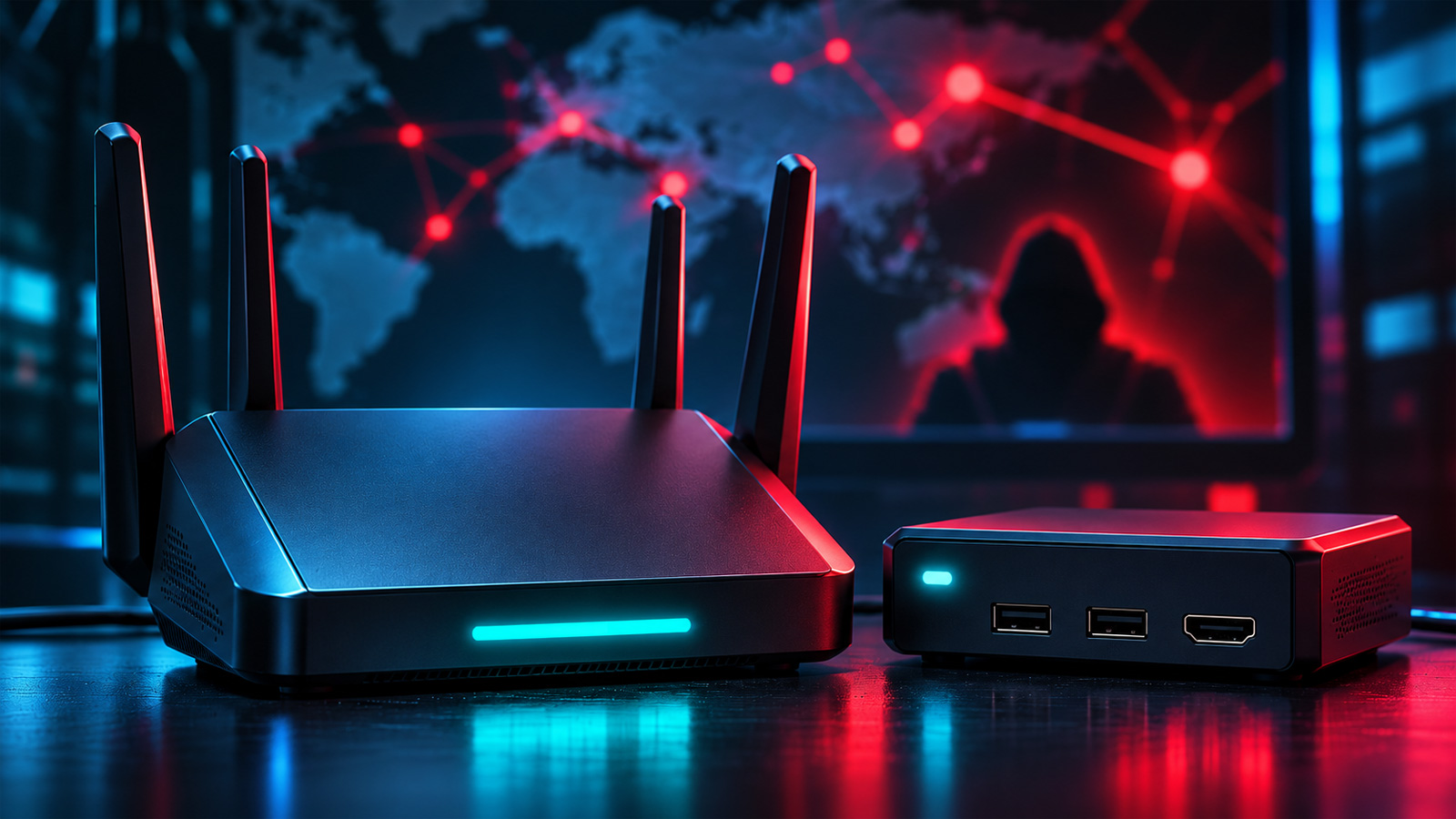
GL.iNet, a manufacturer of low‑cost routers and KVM (keyboard‑video‑mouse) devices, has confirmed that a group of hackers leveraged a vulnerability in its cloud‑based remote‑management platform to deploy custom malware on a number of customer units. The intrusion allowed attackers to install backdoors and reverse‑shell connections, granting them direct control over the compromised hardware.
The flaw, which resided in the service that lets users configure devices remotely through the internet, was exploited to push malicious code without the owners' knowledge. Affected users reported that the malware created persistent access points, enabling the threat actors to issue commands, exfiltrate data, or pivot to other devices on the same network. GL.iNet said the malicious payloads were not part of its official firmware and that they were tailored to evade standard detection methods.
Industry observers note that the attack highlights the risks inherent in cloud‑managed networking equipment, especially when manufacturers provide automatic update mechanisms that can be hijacked. Similar incidents have occurred in the past with other consumer‑grade devices, where compromised update servers served as a conduit for malicious firmware. The GL.iNet case underscores the importance of robust authentication, encrypted communications, and rigorous validation of software before it reaches end‑users.
In response, GL.iNet has issued a security advisory urging all customers to apply the latest firmware patches, which include a revised authentication flow and additional integrity checks. The company also recommends disabling remote cloud management for devices that do not require it and monitoring network traffic for unusual outbound connections. Security researchers are working with the vendor to identify the scope of the breach and to develop tools that can detect the presence of the custom malware on affected hardware.
While the exact number of compromised devices remains unknown, the incident serves as a reminder that even inexpensive networking gear can become a vector for sophisticated cyber‑espionage campaigns. Experts advise organizations and home users alike to adopt a layered security approach: keep firmware up to date, change default credentials, and employ network segmentation where feasible. As the investigation continues, GL.iNet has pledged to cooperate with law‑enforcement agencies and to enhance its security practices to prevent future exploitation of its cloud services.


Comments (0)
Be the first to comment.
Join the discussion