U.S. Cyber Chief Says Nations Are ‘Buying Time’ to Secure Systems Ahead of AI Surge
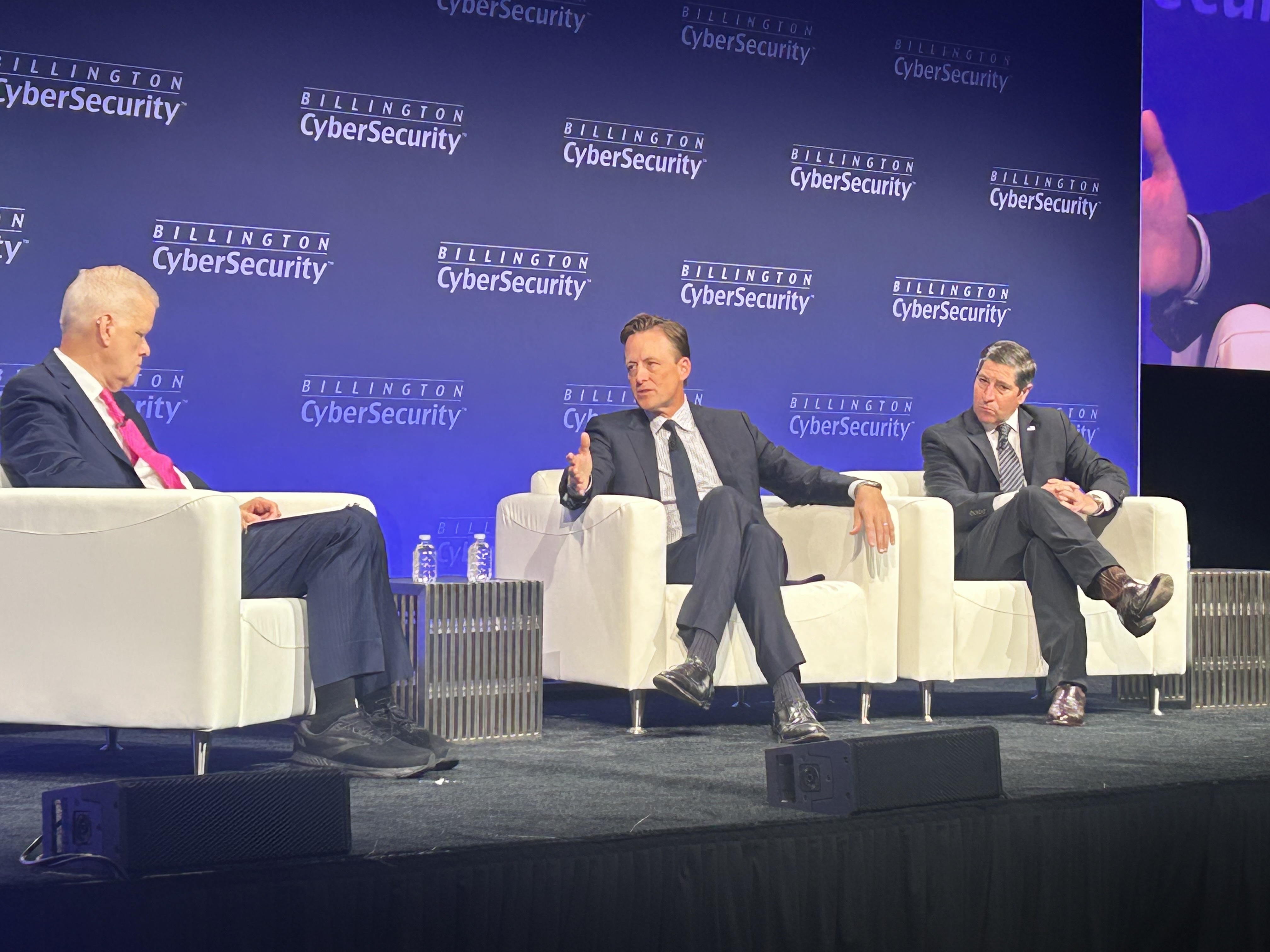
National Cyber Director Sean Cairncross told reporters on Thursday that the United States and a coalition of allied governments are deliberately “buying time for our systems to become more secure” as artificial‑intelligence capabilities expand at a rapid pace. He framed the effort as a strategic response to a technology race that could reshape the cyber threat landscape.
The warning comes amid a wave of AI‑driven tools that can automate vulnerability discovery, generate convincing phishing content, and even craft malicious code without human intervention. Experts have long cautioned that the same algorithms powering chatbots and image generators can be repurposed to amplify existing cyber‑attack methods, raising the bar for both attackers and defenders.
By “buying time,” policymakers hope to create a window in which critical infrastructure, government networks, and private‑sector systems can be hardened before AI‑enhanced threats reach a tipping point. That window is intended for updating software patches, deploying zero‑trust architectures, and training personnel to recognize AI‑generated deception, steps that historically lag behind the speed of new exploit techniques.
The United States is not acting alone. Cairncross noted that allied nations are coordinating through existing cyber‑security forums, sharing threat intelligence, and aligning regulatory approaches. Such collaboration mirrors long‑standing arrangements like NATO’s cyber defence policies and the Five Eyes intelligence partnership, where collective preparedness is viewed as essential to countering transnational digital threats.
Nevertheless, the task is complicated by the entrenched nature of legacy systems that run critical services such as power grids, transportation, and health care. Many of these platforms were designed before modern AI existed and lack the modularity needed for rapid security upgrades. Supply‑chain dependencies further extend the timeline, as hardware and software components often travel through multiple jurisdictions before deployment.
Looking ahead, officials are likely to push for a suite of measures that blend regulation with incentives. Proposals under discussion include mandatory security baselines for AI‑enabled products, funding for research into defensive AI techniques, and public‑private partnerships that accelerate the rollout of patch management tools. The goal, according to Cairncross, is to ensure that “we are ahead of this race” rather than reacting after an AI‑powered breach.
The emphasis on pre‑emptive action underscores the high stakes of a potential AI‑driven escalation in cyber conflict. While the exact timeline remains uncertain, the consensus among security leaders is clear: without a concerted effort to shore up defenses now, the speed of AI innovation could outpace the ability of nations to protect their digital assets.



Comments (0)
Be the first to comment.
Join the discussion