Google Launches Gemini 3.8 Flash Cyber to Automate Vulnerability Detection and Patching
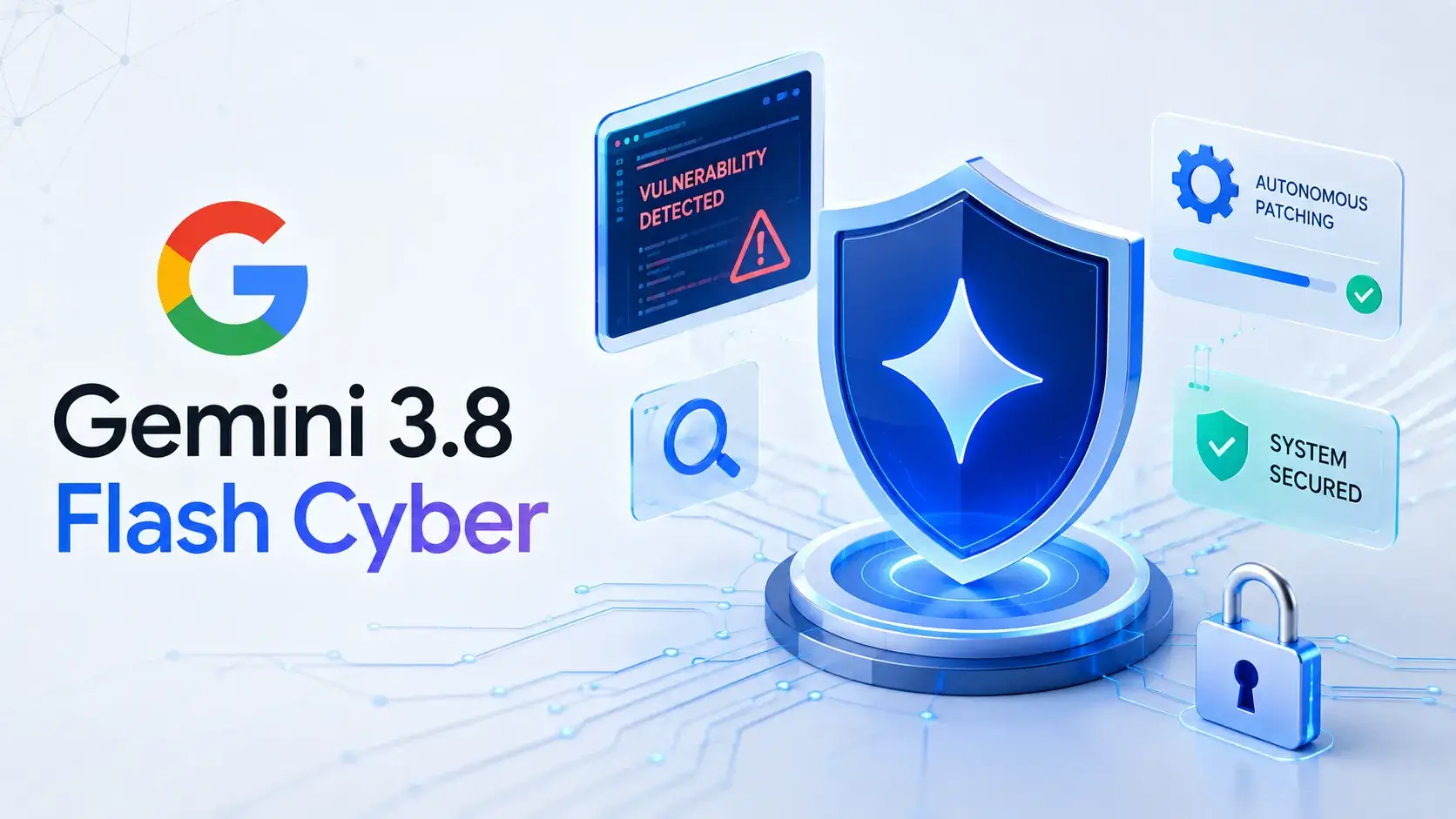
Google announced the rollout of Gemini 3.8 Flash Cyber, an artificial‑intelligence model built specifically for cybersecurity tasks. The platform is engineered to scan codebases, pinpoint security flaws, draft corrective code, and run verification checks before any patch is applied, aiming to reduce the time between discovery and remediation.
The new model builds on the Gemini family of AI systems, extending their capabilities from general‑purpose language processing to the niche demands of software security. By automating the end‑to‑end workflow—identifying a vulnerability, proposing a fix, and testing it—the tool seeks to address the chronic shortage of skilled security engineers and the high cost of manual patch cycles.
Google has limited access to Gemini 3.8 Flash Cyber to organizations that undergo a vetting process. Potential users must demonstrate robust security practices and agree to strict usage guidelines, a move intended to prevent misuse of the technology for offensive purposes. The company has not disclosed the exact number of partners currently enrolled, but the rollout is expected to start with a handful of large enterprises and security firms.
Industry analysts note that automating vulnerability discovery is not new, but combining it with AI‑driven code generation and automated validation is a significant step forward. Traditional static analysis tools often generate large numbers of false positives, requiring human triage. Gemini 3.8 Flash Cyber claims to lower that burden by providing context‑aware fixes that are pre‑tested against the target environment, potentially accelerating the patch deployment pipeline.
Security experts caution that reliance on AI does not eliminate the need for human oversight. While the model can suggest patches, experts argue that a review by experienced engineers remains essential to ensure that fixes do not introduce new issues or conflict with existing system architecture. Google acknowledges this, positioning the service as an augmentative assistant rather than a replacement for security teams.
The introduction of Gemini 3.8 Flash Cyber arrives amid growing concerns over software supply‑chain attacks and the accelerating pace of vulnerability discovery. If the model delivers on its promises, it could become a valuable component in the broader effort to harden critical infrastructure and commercial software. Google has indicated that future updates will expand the model’s coverage to additional programming languages and integrate deeper with its cloud security suite, suggesting a longer‑term strategy to embed AI throughout its cybersecurity offerings.

Comments (0)
Be the first to comment.
Join the discussion