French Supermarkets Hit by Cyberattack That Overheated Refrigeration Units
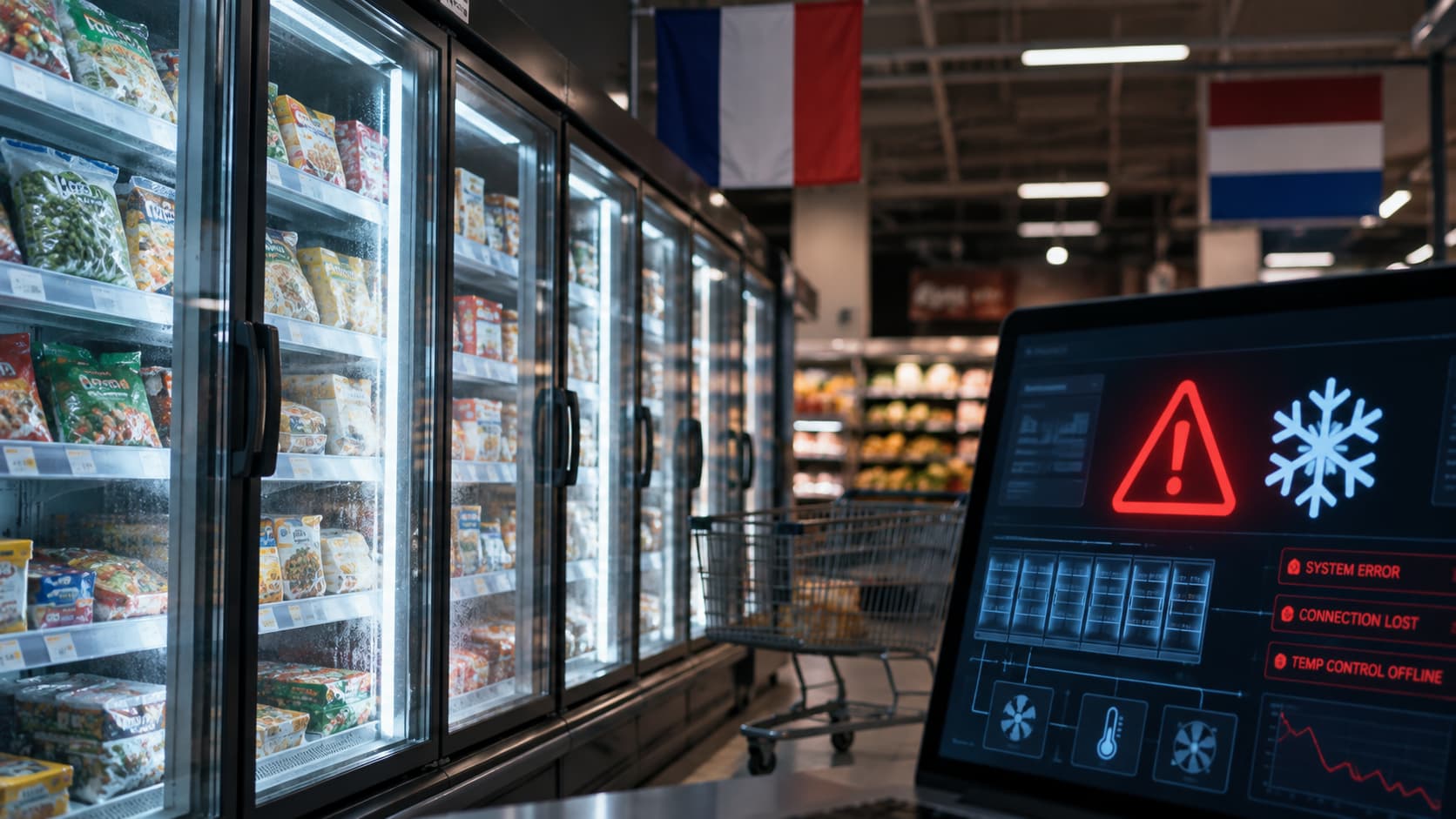
Cybercriminals caused a wave of food spoilage in France this week after remotely raising the temperature of supermarket refrigeration units to around 50°C, according to reports from security researchers.
The intrusion, first identified in a chain of grocery stores in the Paris region, triggered the chillers to enter a high‑heat mode, rendering the freezers and fridges unusable for several hours. The sudden temperature spike ruined perishable inventory, forcing retailers to discard thousands of kilograms of meat, dairy and frozen goods.
Investigators also noted similar, though less severe, anomalies in a handful of stores in the Netherlands, where refrigeration systems exhibited abnormal temperature fluctuations. While the Dutch locations did not report widespread spoilage, the pattern suggests a coordinated attempt to exploit vulnerabilities in the refrigeration control software across multiple European markets.
Security analysts say the attack highlights growing risks associated with Internet‑of‑Things (IoT) devices in retail environments. Many modern refrigeration units are connected to corporate networks for monitoring and energy‑management purposes, creating potential entry points for malicious actors who can manipulate temperature settings or disable safety controls.
Law enforcement agencies in France have opened a formal investigation, working with cyber‑security firms to trace the origin of the breach. Preliminary findings point to a malware strain designed to target industrial control systems, though no group has yet claimed responsibility.
Industry representatives emphasized that the incident underscores the need for stronger cybersecurity hygiene, including regular firmware updates, network segmentation, and robust authentication for remote access. Some retailers have already begun auditing their equipment and tightening access controls to prevent a repeat.
Consumers affected by the spoilage have been offered refunds or replacements, and the impacted supermarkets have pledged to review their food‑safety protocols. The episode serves as a reminder that cyber threats now extend beyond data theft, capable of causing tangible physical damage and financial loss in everyday settings.
Authorities continue to monitor for further signs of intrusion, and experts warn that similar attacks could target other temperature‑sensitive infrastructure, such as medical storage or supply‑chain logistics, if vulnerabilities remain unaddressed.



Comments (0)
Be the first to comment.
Join the discussion