Former NSA Director Nakasone Calls Agency Restructuring Likely Essential Amid Rising Cyber and AI Challenges
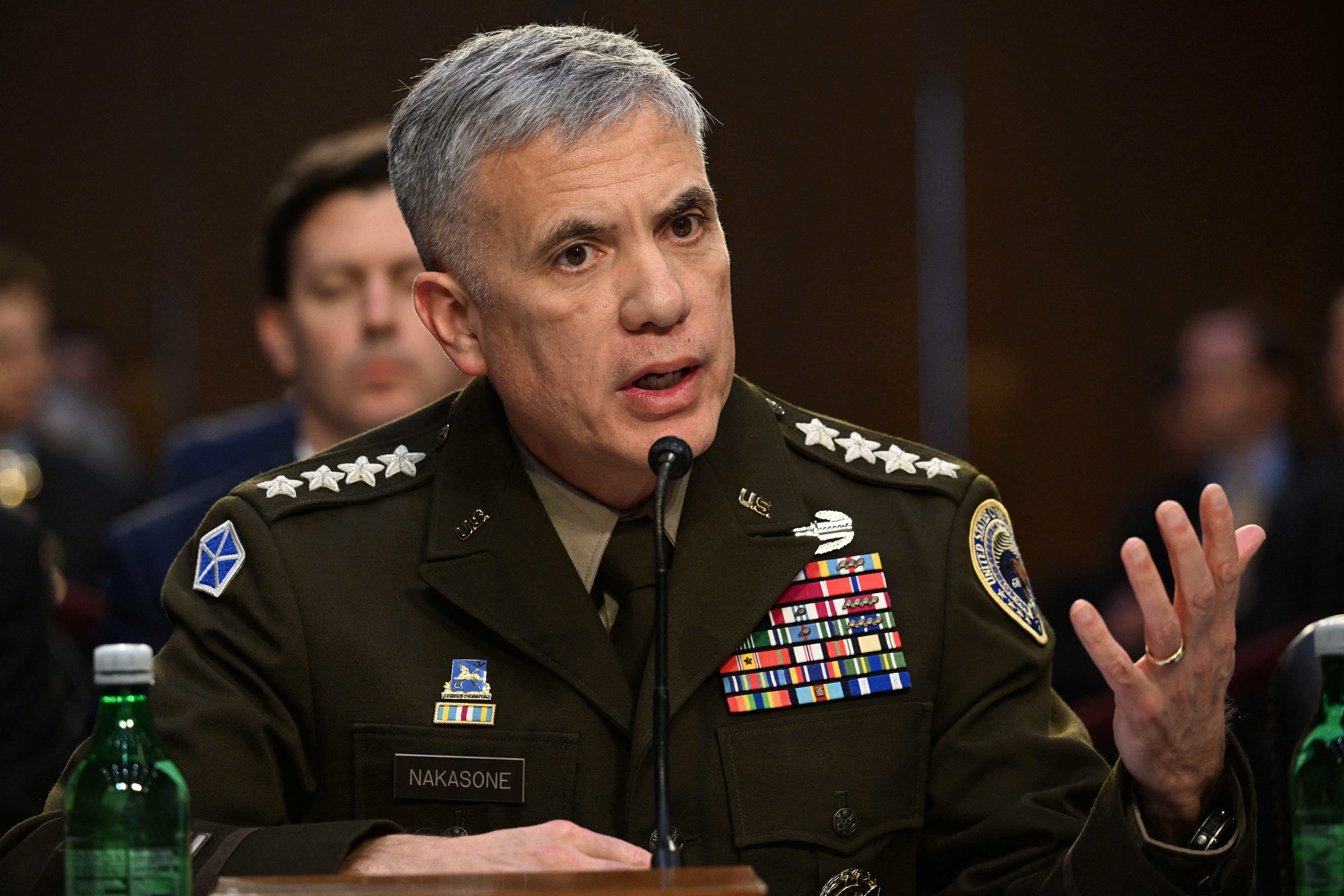
Former head of the National Security Agency, Paul Nakasone, indicated that a sweeping reorganization of the intelligence body is "probably necessary" as it grapples with increasingly rapid cyber threats, the emergence of artificial intelligence tools, and heightened strategic rivalry with China.
Nakasone made the remarks while commenting on reports that the agency is contemplating a broad structural overhaul. He stressed that the speed at which adversaries develop offensive cyber capabilities has outpaced traditional bureaucratic processes, creating a gap that could undermine the NSA's core mission of protecting U.S. communications and networks.
In addition to the accelerating pace of cyber attacks, the agency now faces the dual challenge of integrating AI-driven analysis while safeguarding its own systems from AI-enabled intrusions. Experts have warned that machine‑learning models can both amplify defensive insight and, if weaponized by hostile actors, accelerate the scale of attacks. Nakasone suggested that any reorganization would need to embed AI expertise throughout the organization rather than confining it to isolated research units.
The strategic competition with China also looms large in the discussion. Beijing has invested heavily in both cyber espionage and AI research, prompting U.S. intelligence officials to reassess resource allocation and inter‑agency coordination. Nakasone noted that the ultimate success of any restructuring will hinge on how well the NSA can align its priorities with broader national security objectives, especially in the context of a long‑term rivalry that spans technology, economics, and military domains.
While the former director underscored the probable necessity of change, he cautioned that the outcome will depend on execution. He warned that a poorly managed overhaul could disrupt ongoing operations, dilute institutional knowledge, and create new vulnerabilities. Effective change management, clear lines of authority, and sustained investment in talent were highlighted as critical factors for a smooth transition.
Congressional oversight committees and senior administration officials are expected to review the proposed plan in the coming weeks. The agency's next steps will likely involve detailed assessments of current command structures, workforce capabilities, and technology pipelines to determine the most efficient path forward. Observers anticipate that the final blueprint, if approved, could reshape the NSA's approach to cyber defense and intelligence gathering for years to come.


Comments (0)
Be the first to comment.
Join the discussion