Forensic Analysts Leverage Safari History Tags to Map User Browsing Themes
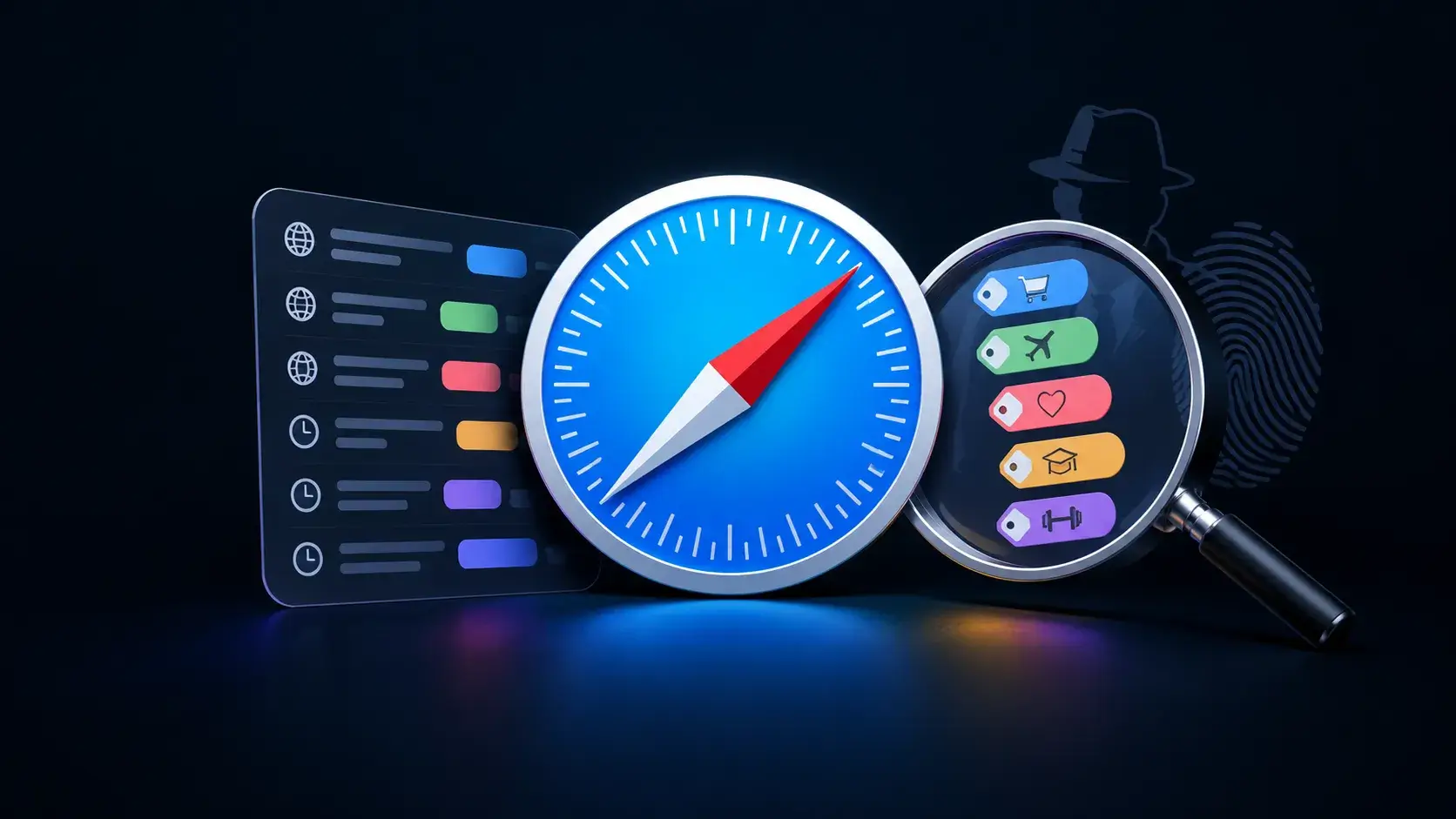
Digital investigators have identified a previously underused artifact in Apple Safari's History database that can help reconstruct the thematic focus of a user’s web activity. The discovery, first highlighted by security researchers at GBHackers, shows that the browser stores internal tags alongside standard URL records, offering a new angle for forensic analysis.
These tags, generated automatically by Safari, categorize pages based on inferred topics such as news, shopping, or social media. They are saved in the same SQLite database that records visited URLs, timestamps, and other metadata. While the tags are not visible to the average user, they can be extracted with standard forensic tools that read the database file, revealing a high‑level outline of the sites a person visited.
When combined with other evidence—specific URLs, precise visit times, cached page fragments, downloaded files, and network telemetry—investigators can piece together a more detailed picture of online behavior. For example, a series of tags related to "financial services" that align with visits to banking portals and corresponding download of PDF statements can strengthen an analyst’s hypothesis about a user’s intent.
Experts caution that tag data alone does not prove motive or intent. The categorization algorithm is heuristic and may misclassify pages, especially those with mixed content. Moreover, privacy‑focused users who regularly clear browsing data or employ private browsing modes may limit the usefulness of the tags. As a result, the tags should be treated as supplementary evidence, corroborated by other forensic artifacts before drawing conclusions.
The revelation has sparked discussion within law‑enforcement circles and the broader digital‑forensics community about the need to update investigative guidelines. Some analysts suggest that Apple could consider reducing the granularity of internal tags or providing clearer disclosures, balancing investigative utility against user privacy. Until such changes occur, the tags remain a valuable, albeit ancillary, tool for reconstructing browsing themes in cases ranging from corporate misconduct to criminal investigations.



Comments (0)
Be the first to comment.
Join the discussion