DC Police Internal Affairs’ Use of Flock Camera Data Sparks Union Challenge
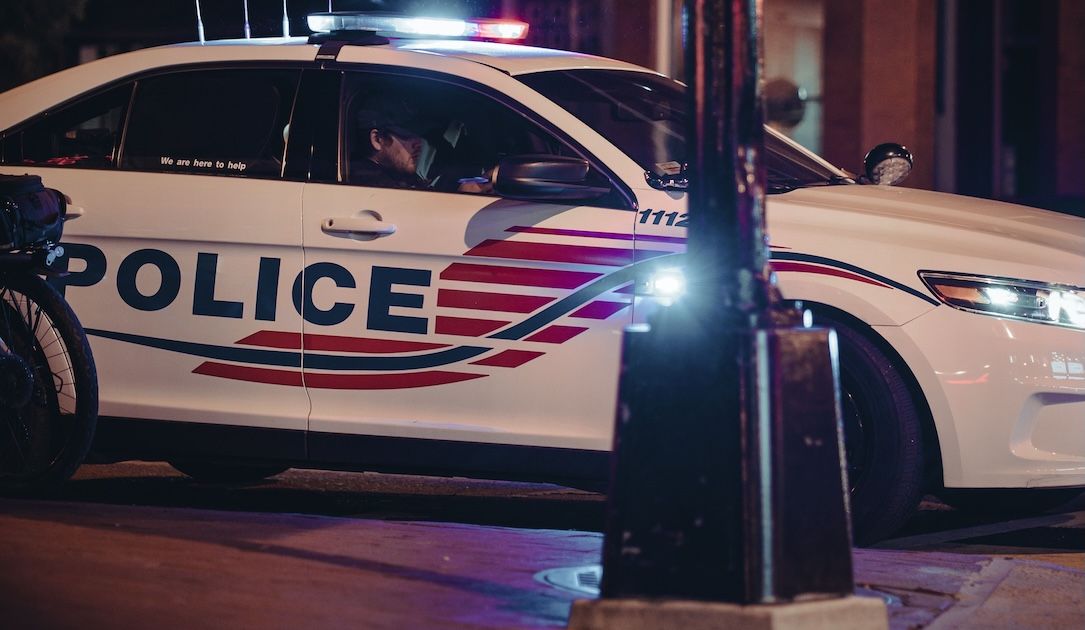
Washington’s Metropolitan Police Department has come under fire after its internal affairs division began tapping into video captured by body‑worn Flock cameras to probe allegations of officer misconduct. The move prompted the police union to file a formal grievance, arguing that the practice infringes on officers' privacy and procedural rights.
According to documents obtained by local reporters, the internal affairs unit accessed footage from the Flock system without notifying the officers involved or obtaining prior consent. The department says the data was used to corroborate complaints ranging from excessive force to procedural violations, citing the cameras’ ability to provide an objective record of police‑public encounters.
The Fraternal Order of Police Local 1450, which represents the rank‑and‑file officers, contended that the unilateral use of the footage bypasses established protocols for evidence handling. In its complaint, the union demanded clearer guidelines, a review board that includes officer representation, and assurances that the material would not be used for disciplinary actions without due process.
Police chiefs and city officials have defended the practice, noting that body‑camera footage has become a cornerstone of accountability efforts nationwide. They argue that the internal affairs unit’s access is consistent with policies adopted by other major jurisdictions, where video evidence is routinely examined to verify or refute claims of wrongdoing.
Legal experts point out that the dispute sits at the intersection of privacy law, labor agreements, and emerging technology standards. While courts have generally upheld the use of body‑camera recordings for investigations, they also recognize collective bargaining rights that may require negotiation over how such data is employed.
The controversy arrives amid broader calls for transparency in law‑enforcement oversight. Community advocates have praised the department’s willingness to leverage video evidence, but they also caution that without robust safeguards, the same technology could be misused to sideline officers’ due‑process protections.
City officials have indicated that a series of meetings will be convened between the police department, the union, and civil‑rights groups to draft revised protocols. Until a consensus is reached, the internal affairs unit is expected to continue its investigations, albeit under heightened scrutiny, as both sides seek a balance between accountability and the rights of officers on the force.



Comments (0)
Be the first to comment.
Join the discussion