Venezuelan Nationals Admit to Using Malware in U.S. ATM Heist Scheme

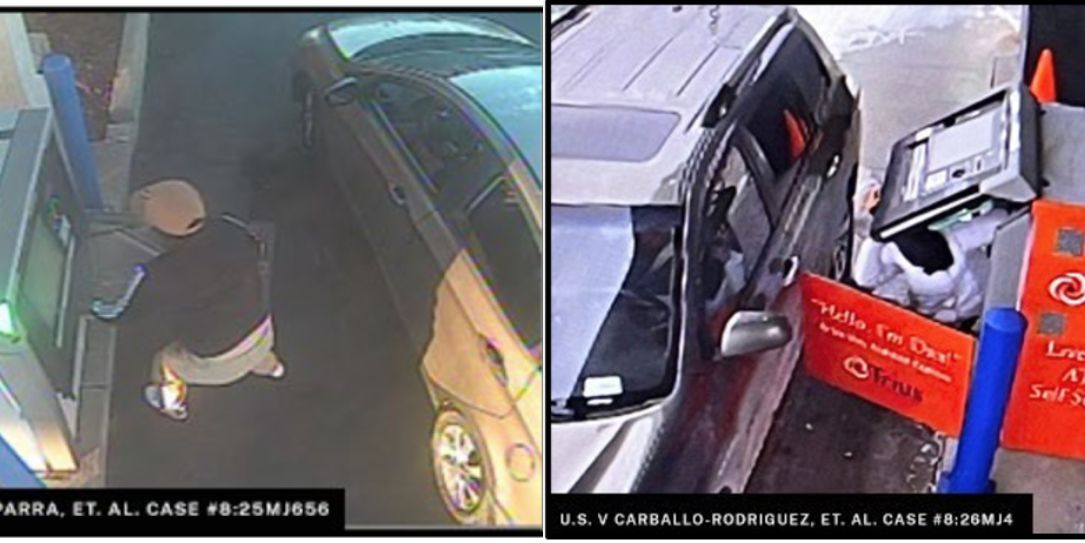
Five Venezuelan citizens entered guilty pleas in a U.S. federal courtroom, acknowledging their role in a coordinated effort to drain cash from automated teller machines by deploying malicious software.
The technique, known in cyber‑crime circles as ATM jackpotting, involves loading specially crafted code onto an ATM's operating system, overriding its security checks and forcing it to dispense cash on command. Attackers typically gain access through physical intrusion, compromised service ports, or remote exploits, then trigger the malware to empty the machine in seconds.
Federal investigators, including agents from the FBI and the Secret Service, traced the illicit software to a network of individuals operating across state lines. Digital forensics linked the malware signatures to a series of ATM withdrawals reported in multiple jurisdictions, prompting a multi‑agency task force to pursue the perpetrators.
The defendants, all Venezuelan nationals, were identified as key participants in the scheme. Prosecutors allege that each played a distinct part—ranging from acquiring the malicious code to installing it on target machines and coordinating the cash‑out events. While the indictment did not disclose the exact sums taken, officials noted that the operation targeted several machines in different cities, resulting in “substantial” financial losses for the affected banks.
By pleading guilty, the five men have avoided a trial and are now facing sentencing that could include significant prison terms and restitution orders. Federal sentencing guidelines for cyber‑theft offenses typically consider factors such as the amount of money involved, the level of planning, and the defendants' prior criminal histories.
The case arrives amid a broader surge in ATM‑related cybercrimes, prompting banks to bolster hardware security, adopt more rigorous monitoring of transaction anomalies, and collaborate with law‑enforcement agencies to share threat intelligence. Industry analysts say that the increasing sophistication of malware tools underscores the need for continuous upgrades to both software and physical safeguards.
Legal experts anticipate that sentencing hearings will be scheduled later this year, and authorities have indicated that the investigation remains active, with additional suspects possibly linked to the same criminal enterprise. The guilty pleas may also aid prosecutors in pursuing co‑conspirators who have yet to be apprehended.
Overall, the admissions highlight the challenges posed by transnational cyber‑crime networks and the importance of coordinated international efforts to disrupt them. As digital attacks evolve, the collaboration between U.S. agencies and foreign partners will be critical in preventing similar breaches of financial infrastructure in the future.


Comments (0)
Be the first to comment.
Join the discussion