Venezuelan Nationals Admit Guilt in Failed ATM Malware Scheme

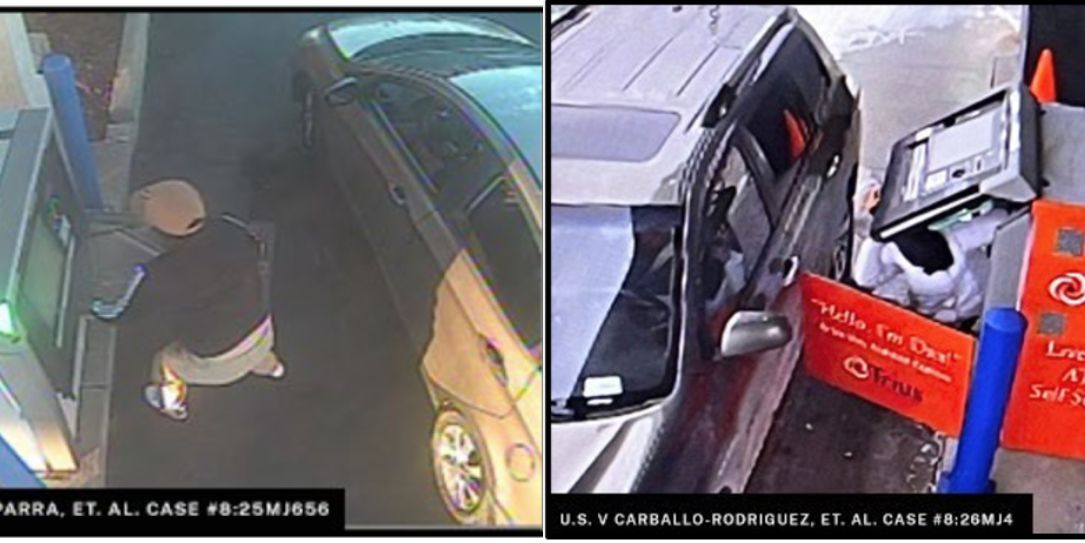
Five Venezuelan citizens entered guilty pleas in a U.S. federal courtroom for attempting to install malicious code on automated teller machines, a tactic commonly known as "ATM jackpotting." The plea agreement acknowledges that the group sought to force the machines to dispense cash, but the operation never succeeded in producing any payouts.
ATM jackpotting involves physically accessing the interior of a bank's cash dispenser, then loading custom software that overrides the machine's normal controls. Once the malware is active, the device can be triggered remotely or via a simple input to release large sums of cash without authentication. Law enforcement agencies have tracked a rise in such attacks worldwide, prompting banks to upgrade hardware security and to adopt anti‑tampering sensors.
According to prosecutors, the defendants traveled to the United States with the intent of carrying out the scheme at multiple locations. Their plan required opening the ATM housings, connecting a laptop or a small computing device, and uploading the code that would command the cash vault to open on command. Although the details of the specific targets remain sealed, investigators say the group was intercepted before any machine could be compromised.
The defendants' admission of guilt came after a federal investigation that linked them to a broader network of individuals involved in financial cybercrime. While the five pleaded guilty to charges that include conspiracy to commit wire fraud and unauthorized access to a protected computer, they have not yet been sentenced. Typically, federal guidelines for similar offenses recommend prison terms ranging from several years to a decade, along with restitution and forfeiture of any equipment used in the plot.
Lawyers for the defendants indicated that the plea deals reflect a desire to avoid a trial that could expose more extensive criminal activity. The court's acceptance of the pleas underscores the seriousness with which U.S. authorities treat attempts to subvert banking infrastructure, even when the attacks are thwarted before causing monetary loss.
Experts say the case highlights the ongoing challenge of securing physical access points to financial systems. While software defenses have improved, the vulnerability of ATM hardware remains a target for organized crime. Banks are expected to continue investing in tamper‑evident seals, encryption of internal communications, and rapid response protocols. The outcome of this case may also influence future cooperation between U.S. law enforcement and foreign partners in tracking transnational financial fraud networks.


Comments (0)
Be the first to comment.
Join the discussion