FedRAMP Tightens Cloud Security with Continuous Scans and Faster Fixes
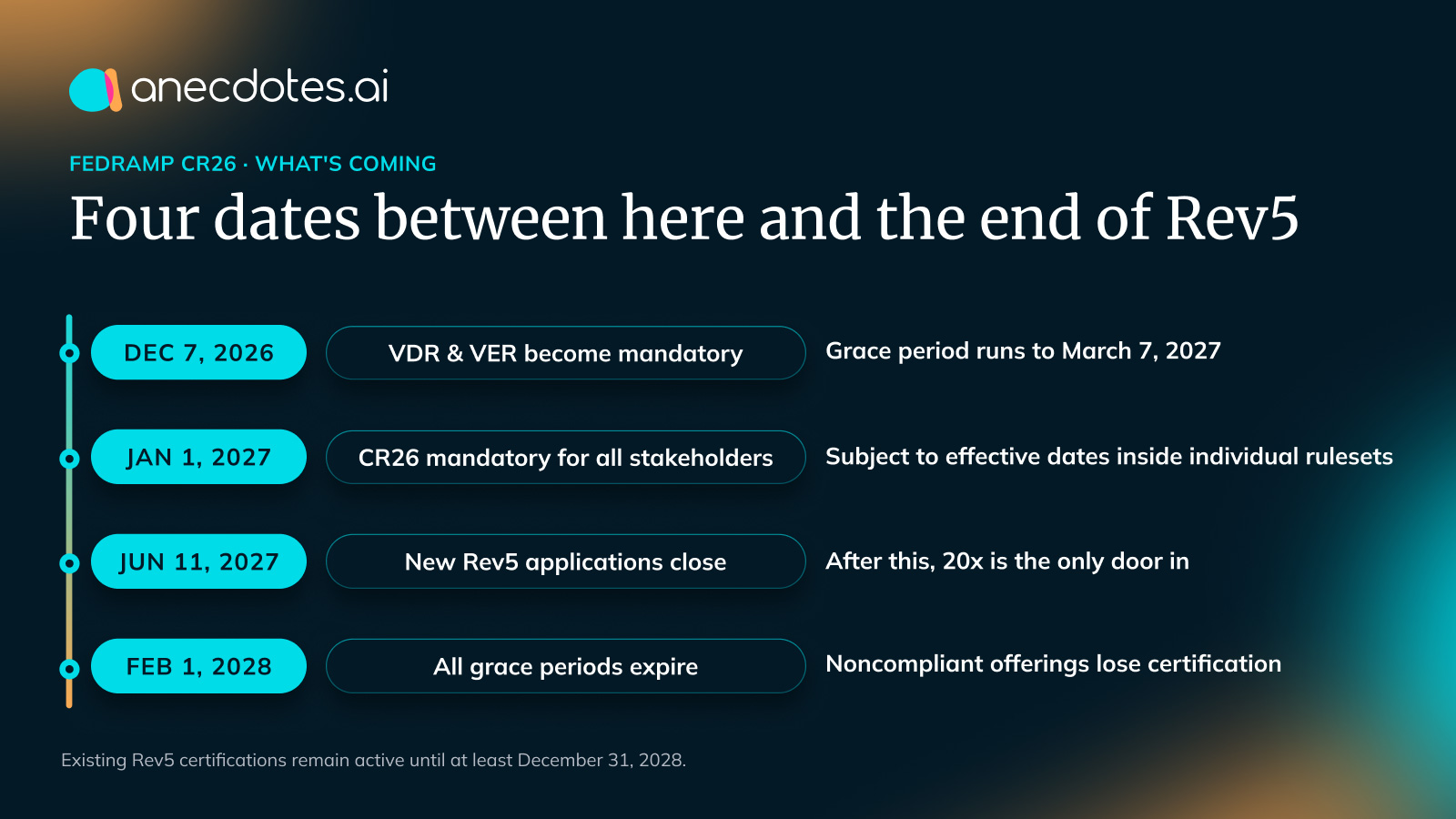
The Federal Risk and Authorization Management Program (FedRAMP) announced new Vulnerability Disclosure Reporting (VDR) and Vulnerability Evidence Reporting (VER) rules that push cloud service providers toward a more continuous approach to security. Under the updated framework, agencies must conduct daily vulnerability scans and meet stricter remediation timelines, signaling a shift from periodic checks to real‑time risk management.
The changes, which take effect on December 7, require providers to not only run scans more frequently but also to document remediation actions within tighter windows. Evidence of each step—ranging from initial detection to final verification—must be submitted to FedRAMP auditors, creating a detailed audit trail that can be reviewed at any time. The goal is to reduce the window of exposure for known flaws and to give federal customers greater confidence that cloud environments remain secure.
Historically, FedRAMP’s assessment model relied on quarterly or semi‑annual scans, with remediation periods that could stretch for weeks. Critics argued that such intervals left agencies vulnerable to rapidly emerging threats. By moving to daily scans, the agency aims to align its security posture with the speed at which cyber‑attackers operate, especially given the rise of ransomware and supply‑chain exploits that can spread within hours.
Industry observers note that the new requirements will demand significant operational adjustments. Cloud providers must invest in automated scanning tools capable of continuous monitoring, as well as in workflow systems that can track remediation tasks and generate the required evidence artifacts. Smaller vendors may face resource challenges, prompting some to seek partnerships or third‑party services to meet the compliance burden.
The December 7 deadline is described by FedRAMP officials as the first step in a broader evolution toward “continuous authorization.” After the initial rollout, the agency plans to refine metrics for scan quality, expand the scope of required evidence, and potentially introduce real‑time alerts for high‑severity vulnerabilities. This incremental approach allows agencies to gauge the effectiveness of the new processes before mandating additional layers of oversight.
Federal customers have welcomed the move, citing the need for more transparent and timely security data. However, they also caution that the success of the initiative will hinge on consistent enforcement and clear guidance on what constitutes acceptable evidence. As the December deadline approaches, both providers and agencies are expected to ramp up training, update policies, and test the new reporting pipelines to avoid compliance gaps that could delay cloud service authorizations.



Comments (0)
Be the first to comment.
Join the discussion