Federal Judge Rejects DOJ Attempt to Bar Mary Peltola from Alaska Senate Seat
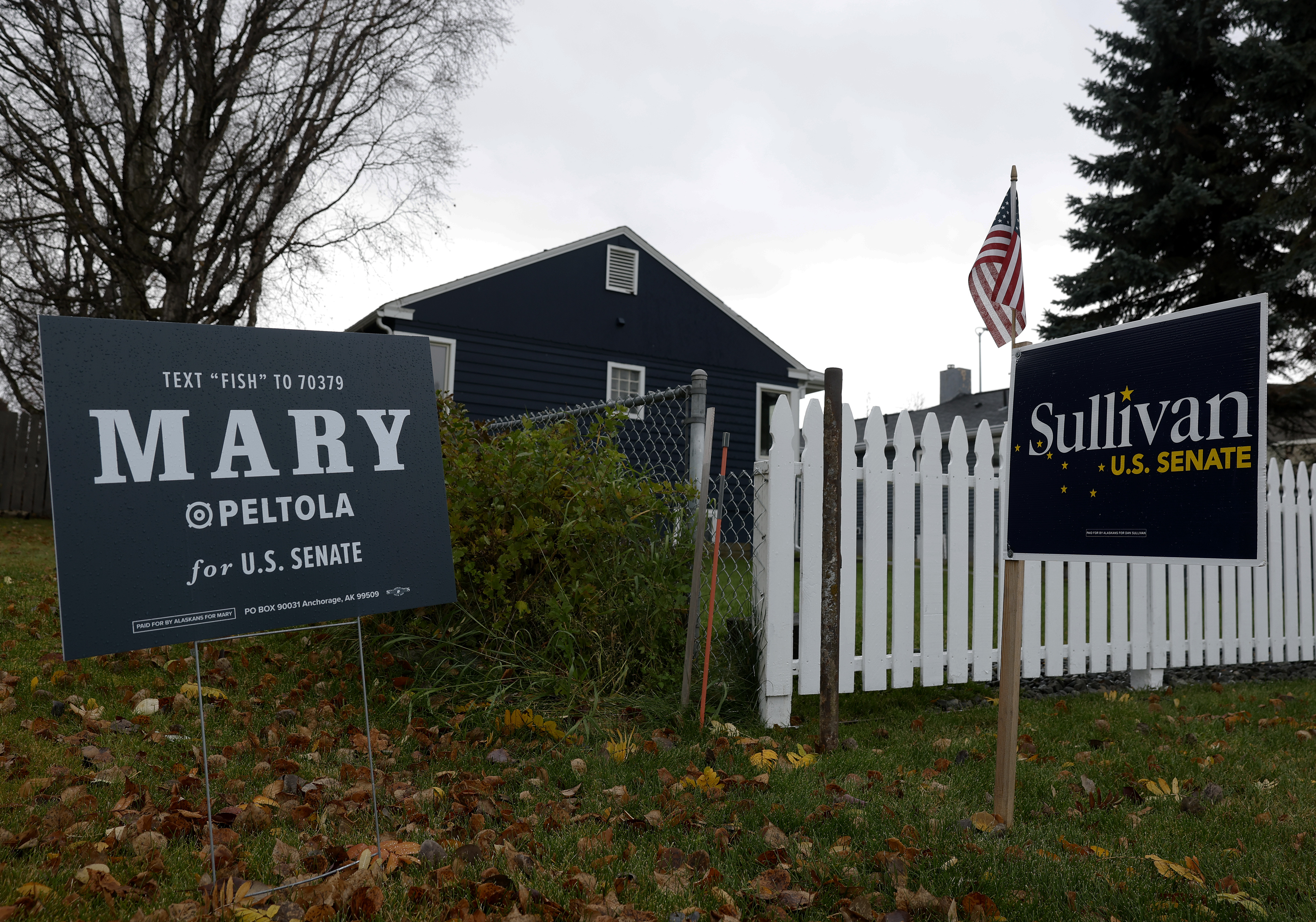
A federal judge in Alaska has thrown out a Department of Justice lawsuit that sought to prevent Democratic Senate hopeful Mary Peltola from taking office should she win her race. The ruling, issued on Tuesday, leaves the legal challenge dead on arrival and clears the path for Peltola to assume the seat if the election results stand.
The DOJ filed its suit last month, alleging that Peltola was involved in a scheme designed to undermine the certification of Alaska's Senate election results. The complaint aimed to secure a preemptive injunction that would bar her from being seated, arguing that the alleged conduct threatened the integrity of the electoral process. The government’s case rested on a series of unsubstantiated claims and relied on a narrow interpretation of federal election law.
Judge James D. Smith, appointed by a previous administration, found that the government had failed to present concrete evidence linking Peltola to any wrongdoing. In his written opinion, Smith emphasized that the judiciary cannot intervene in a political contest absent clear proof of fraud or illegality. He also noted that the suit appeared to be an effort to preemptively dictate the outcome of an election, a move that runs counter to the principle of judicial restraint.
The dismissal arrives at a critical juncture for the closely watched Alaska Senate race, which has drawn national attention due to its potential to affect the balance of power in the chamber. Peltola, a former Alaska Native leader and former member of the U.S. House, has been campaigning on issues ranging from climate change to fisheries management. Her opponent, a Republican incumbent, has repeatedly questioned the legitimacy of her campaign, but the legal hurdle posed by the DOJ has now been removed.
Legal experts say the case underscores the challenges of using federal courts to intervene in state election outcomes. While the DOJ retains the authority to bring suits concerning federal election statutes, they must meet a high evidentiary bar. The judge’s decision may deter future attempts to block candidates through litigation unless a clear statutory violation is demonstrated. For now, the focus shifts back to the ballot box, with both campaigns preparing for a final stretch of voter outreach as Alaska’s voters prepare to cast their ballots next month.



Comments (0)
Be the first to comment.
Join the discussion