FBI and Global Cyber Agencies Alert on State‑Backed Chinese Hackers Leveraging Automated Scans and Botnets
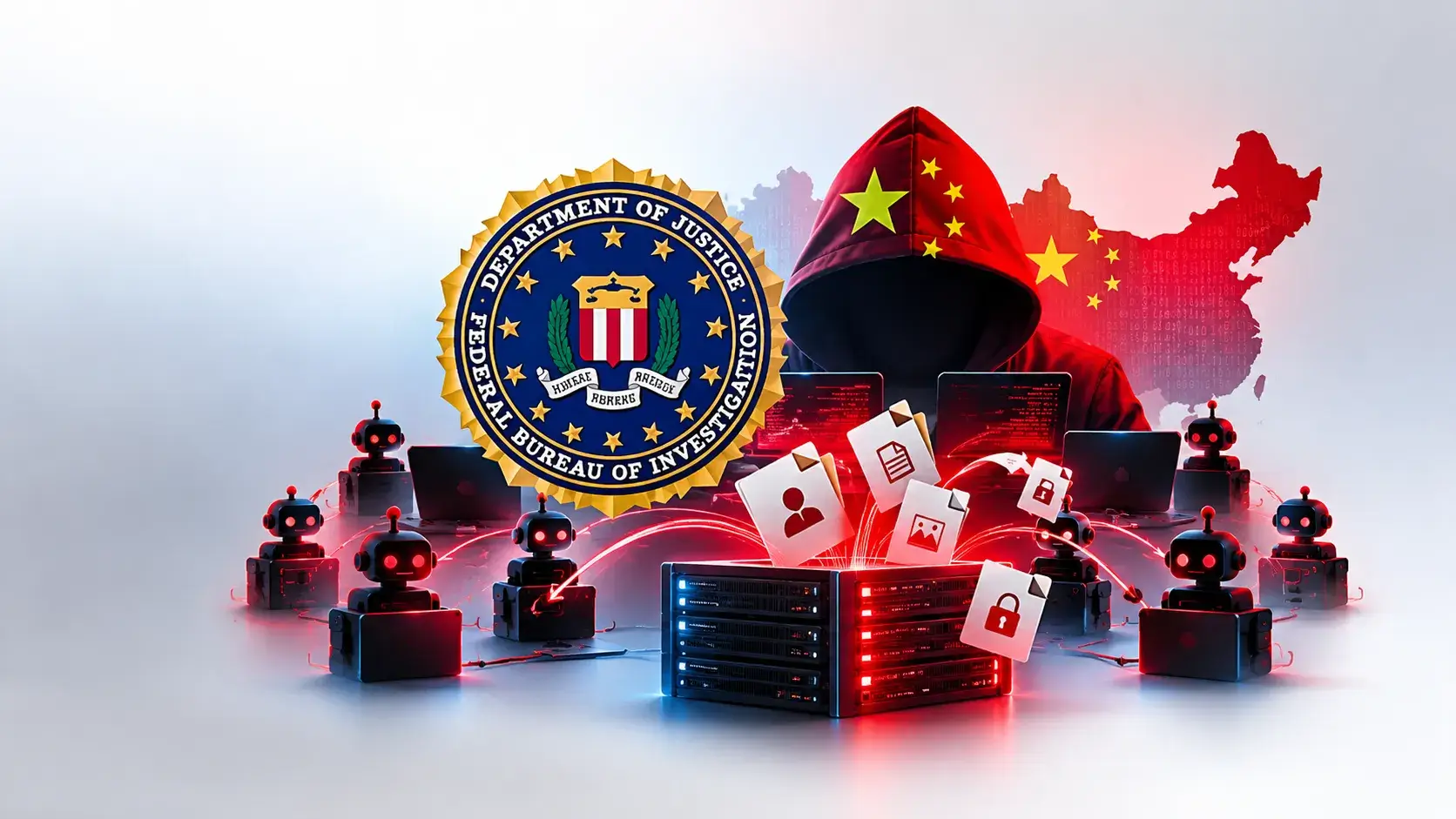
The Federal Bureau of Investigation, together with partner cybersecurity authorities from several nations, released a joint advisory on Oct. 8 warning that hacker groups tied to the Chinese government are deploying automated vulnerability scanners and expansive botnet networks to pilfer sensitive data across the globe.
According to the advisory, the actors combine large‑scale automated probing of internet‑connected systems with manual exploitation techniques once a weakness is identified. The approach enables them to compromise a wide array of targets, ranging from critical infrastructure and government agencies to private‑sector firms in sectors such as technology, finance and manufacturing.
Cyber‑espionage campaigns linked to state sponsors have intensified in recent years, and the shift toward automation marks a notable evolution in their playbook. Automated scanning dramatically speeds up the discovery of unpatched software, while botnets provide the bandwidth needed to launch coordinated attacks against multiple victims simultaneously. Analysts say this blend of speed and scale raises the risk of massive data exfiltration and can overwhelm traditional defensive measures.
In response, the FBI and its international counterparts urged organizations to adopt a layered security posture: promptly apply patches, enforce multi‑factor authentication, monitor network traffic for anomalous activity, and employ zero‑trust architectures where feasible. They also offered a set of Indicators of Compromise (IoCs) to help defenders detect the specific tools and command‑and‑control infrastructure associated with the threat actors.
Experts anticipate that the groups will continue refining their automated capabilities, potentially expanding the geographic reach of their operations. The advisory stresses that sustained cooperation among governments, industry and academia will be essential to counter the evolving threat and protect sensitive information from state‑backed cyber theft.


Comments (0)
Be the first to comment.
Join the discussion