FBI Detains Former Cypfer Co‑Founder Over ShinyHunters Ransomware Probe
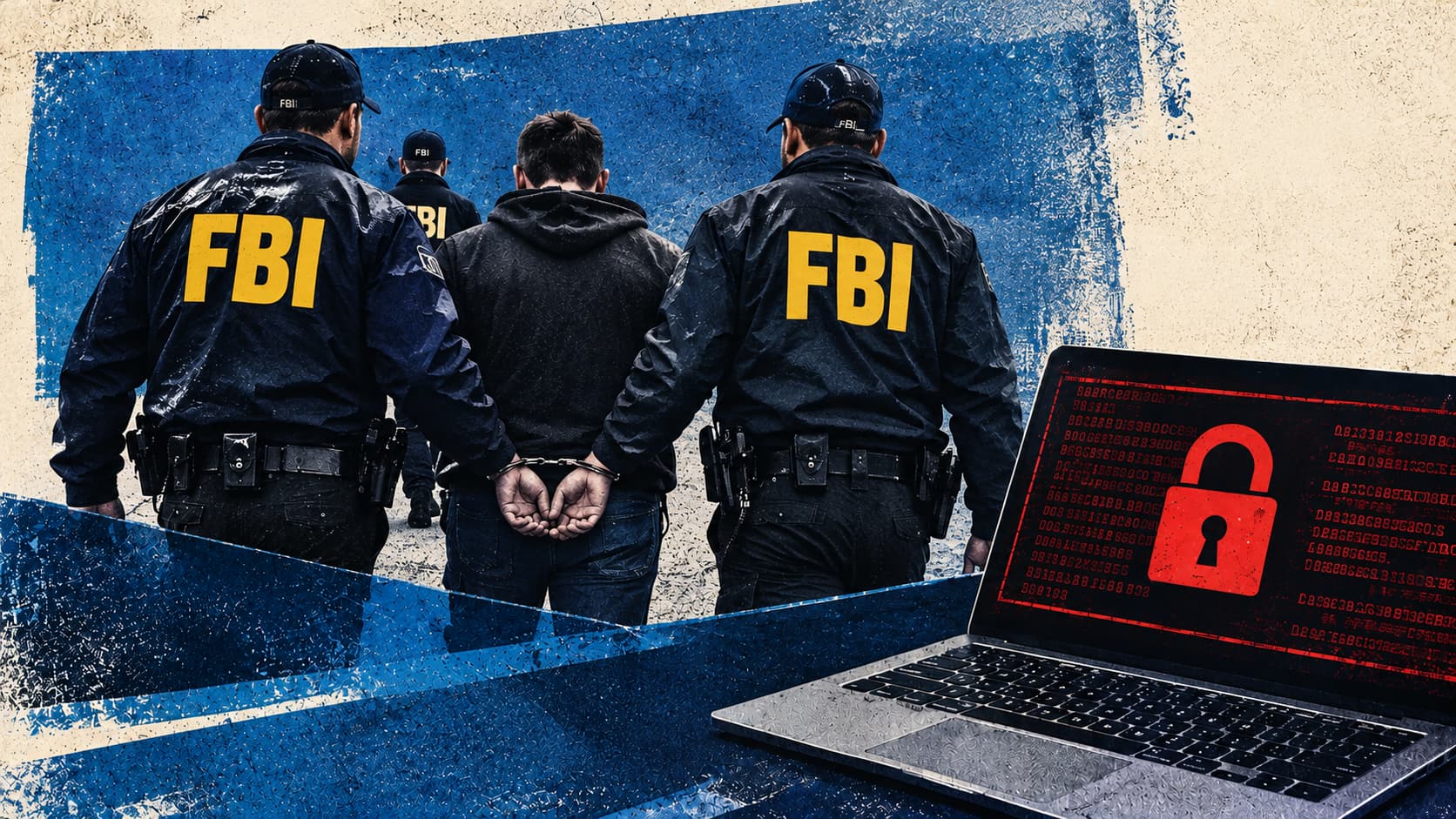
The Federal Bureau of Investigation announced Wednesday that Edward Dubrovsky, a co‑founder of the ransomware negotiation firm Cypfer and currently affiliated with the cybersecurity consultancy CyberSteward, was taken into custody as part of a wider investigation into the ShinyHunters hacking collective.
Dubrovsky helped launch Cypfer, a company that marketed itself as a mediator between ransomware operators and victim organizations, offering to negotiate ransom payments and facilitate decryption. After departing Cypfer, he joined CyberSteward, a firm that provides advisory services on cyber‑risk management. Law‑enforcement officials say his involvement with both entities placed him in a position to interact with actors linked to illicit cyber‑crime.
ShinyHunters, a loosely organized group of threat actors, has built a reputation for publishing large data dumps that include personal information of government employees, private‑sector workers and other high‑profile targets. In recent months the group turned its attention to the United States Federal Bureau of Investigation, allegedly obtaining and distributing internal job‑listing data. The FBI’s investigation into that breach expanded to examine any intermediaries who may have facilitated the group’s access or monetization of the stolen material.
According to a brief statement released by the FBI, Dubrovsky was arrested on charges related to conspiracy to commit computer fraud and unauthorized access to federal systems. The agency did not disclose the specific evidence linking him to the ShinyHunters operation, but indicated that the arrest was the result of a coordinated effort involving multiple federal units. No further details about potential co‑defendants or upcoming court dates were provided at the time of the announcement.
The detention underscores growing scrutiny of firms that position themselves as “ransomware negotiators.” While such companies argue they help reduce the impact of attacks, authorities increasingly view them as potential enablers of criminal activity. Legal experts note that the line between legitimate advisory services and unlawful collaboration can be thin, especially when intermediaries facilitate ransom payments that fund further attacks. The case may prompt tighter regulatory guidance and could influence how cybersecurity consultancies document client interactions in the future.
Investigators continue to pursue leads related to the ShinyHunters data breach, and officials say additional arrests are possible as the probe progresses. The FBI’s action sends a clear signal that individuals who bridge the gap between cyber‑criminals and victim organizations will face heightened legal exposure. As ransomware threats remain a persistent challenge for both public and private sectors, the outcome of this case may shape policy debates around negotiation practices, victim response strategies, and the broader fight against cyber‑extortion.



Comments (0)
Be the first to comment.
Join the discussion