Malware Disguised as Microsoft, Kaspersky and Razer Installers Targets Windows Users Across Multiple Sectors
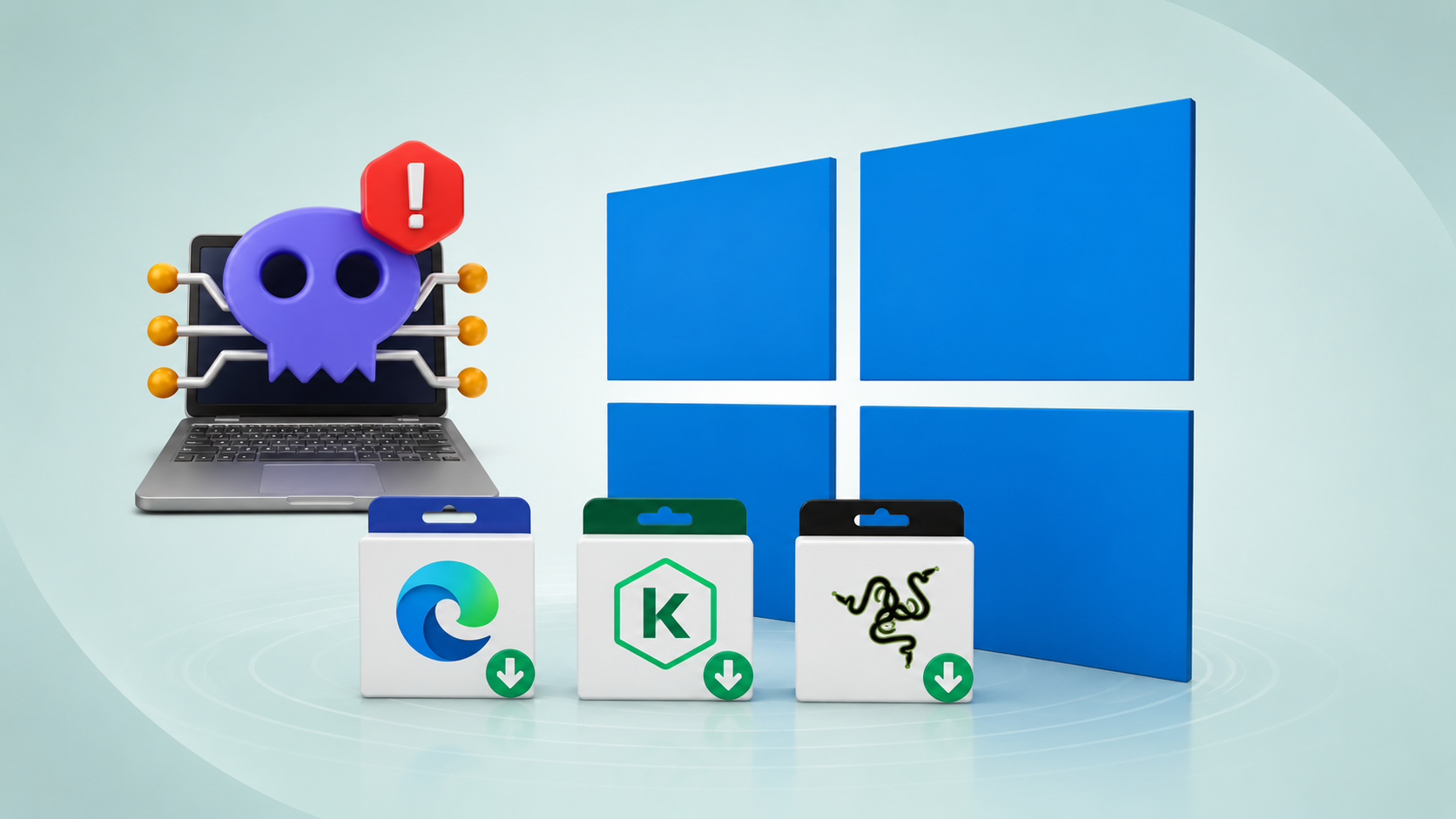
An active malware operation is exploiting fake download pages that mimic popular software such as Microsoft Edge, Kaspersky and Razer, compromising a broad range of Windows computers. Security researchers first identified the campaign through malicious binaries that masquerade as legitimate installers, prompting alerts from multiple industry watchdogs.
The deceptive sites present themselves as official sources, encouraging users to download what appears to be a standard update or driver package. Once the counterfeit file is executed, it installs a payload that can harvest credentials, install additional malicious modules, and provide remote access to the infected system. The technique leverages the trust users place in well‑known brands to bypass basic caution.
Investigations reveal victims span diverse fields, including healthcare providers, manufacturing plants, gaming studios, technology firms, logistics operators, government agencies and educational institutions. The breadth of affected sectors highlights how the campaign sidesteps traditional target profiling, opting instead for a shotgun approach that relies on the ubiquity of the branded software.
Researchers traced the distribution network to a series of compromised or newly created domains that closely replicate the visual layout of the legitimate vendors' download portals. The domains are registered with privacy‑protected registrars, making takedown efforts challenging. The malicious binaries share common code signatures, suggesting a single development group is coordinating the attacks across the different brand facades.
Security experts advise users to verify download sources rigorously, favoring official vendor websites or trusted package managers. Deploying up‑to‑date antivirus solutions, enforcing application whitelisting, and monitoring network traffic for unusual outbound connections are recommended mitigations. Organizations are also urged to educate staff about the risks of downloading software from unfamiliar links, especially when the request appears to come from a known brand.
The campaign, first reported by the GBHackers community, underscores the ongoing need for vigilance as cybercriminals increasingly weaponize brand trust. While law enforcement agencies have begun probing the infrastructure behind the fake installers, analysts warn that similar schemes are likely to reappear, exploiting the same psychological leverage of recognized software names to infiltrate systems worldwide.



Comments (0)
Be the first to comment.
Join the discussion