Ensuring Accurate Market Data: Why Feed Integrity Is Critical for Order‑Flow Analysis
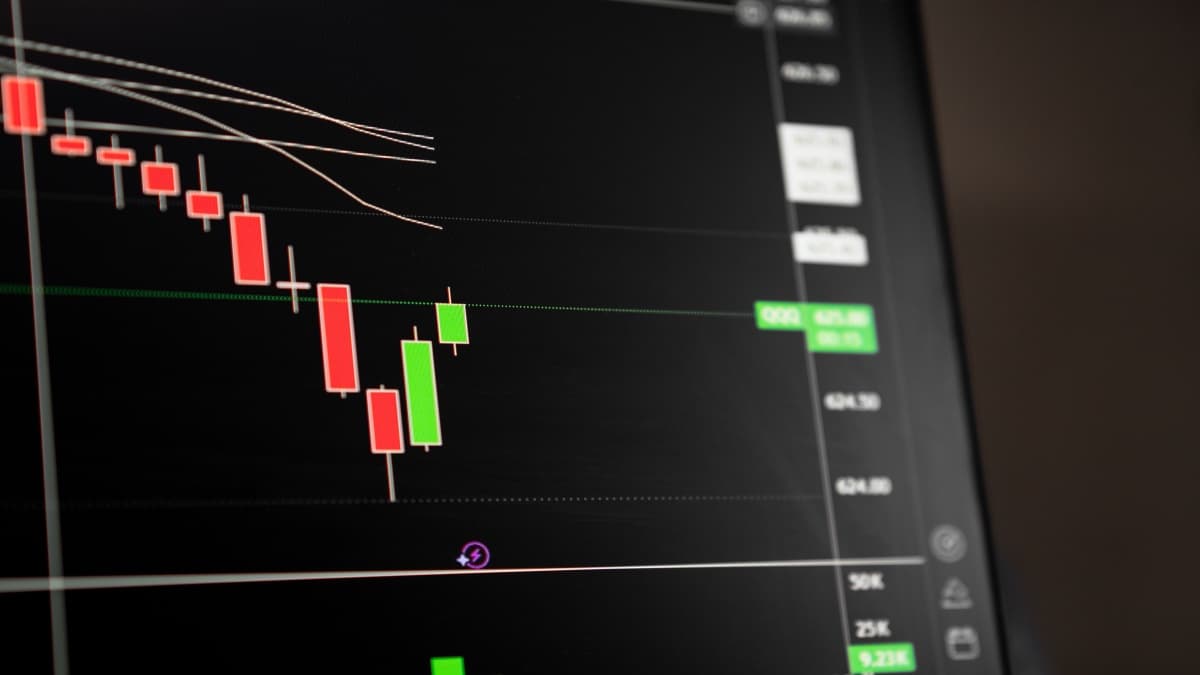
When traders rely on real‑time market information, even minor glitches in the data stream can ripple through their entire decision‑making process. Missing trades, delayed quotes and inaccurate timestamps have emerged as common culprits that undermine the reliability of order‑flow analysis, a technique that attempts to read buying and selling pressure directly from market activity.
Order‑flow analysis interprets the sequence of executed trades, bid‑ask updates and quote changes to infer short‑term supply and demand dynamics. Hedge funds, proprietary desks and algorithmic platforms use the method to fine‑tune entry and exit points, often feeding the derived signals into automated execution engines. Because the approach depends on a precise, moment‑by‑moment view of market activity, any distortion in the underlying feed can produce misleading signals.
Data integrity problems arise from several sources. Network latency, server overloads, or software bugs can cause a feed to drop individual trade messages, while synchronization errors between exchange timestamps and the receiving system can misplace events by milliseconds or more. In some cases, vendors inadvertently publish stale quotes or apply incorrect time‑stamps during aggregation, creating a version of the market that never actually existed.
The practical consequences are immediate. Charting tools that plot trade volume or price ladders may display phantom spikes or gaps, prompting traders to act on false impressions of market pressure. Automated strategies that trigger on specific order‑flow patterns can execute unnecessary orders, increasing transaction costs or exposing positions to adverse price moves. In extreme cases, systemic reliance on corrupted feeds could amplify market volatility, as multiple participants react to the same erroneous signal.
To counter these risks, many firms adopt redundancy and cross‑validation measures. Running parallel feeds from multiple vendors, employing timestamp reconciliation algorithms, and monitoring data quality metrics in real time help identify and isolate anomalies before they affect trading logic. Some institutions also maintain a buffer of raw messages to reconstruct the market timeline if discrepancies are detected.
Regulators have taken note of the broader implications of feed integrity. While most oversight focuses on market manipulation and fair access, authorities increasingly emphasize the need for transparent data handling practices, especially as high‑frequency trading becomes more prevalent. Exchanges and data providers are encouraged to publish latency statistics and error‑rate disclosures, giving market participants clearer expectations about the reliability of the information they receive.
Looking ahead, the demand for ever‑faster, higher‑quality market data shows no sign of waning. Advances in low‑latency networking, standardized timestamp protocols and real‑time quality‑of‑service monitoring are expected to reduce the frequency of feed errors. Nevertheless, the fundamental lesson remains: accurate, trustworthy data is the foundation of any order‑flow‑based strategy, and ongoing vigilance is essential to protect both individual traders and the broader market ecosystem.



Comments (0)
Be the first to comment.
Join the discussion