Corporate IT Teams Scramble to Curb Personal ChatGPT Use After Data‑Leak Risks Surface
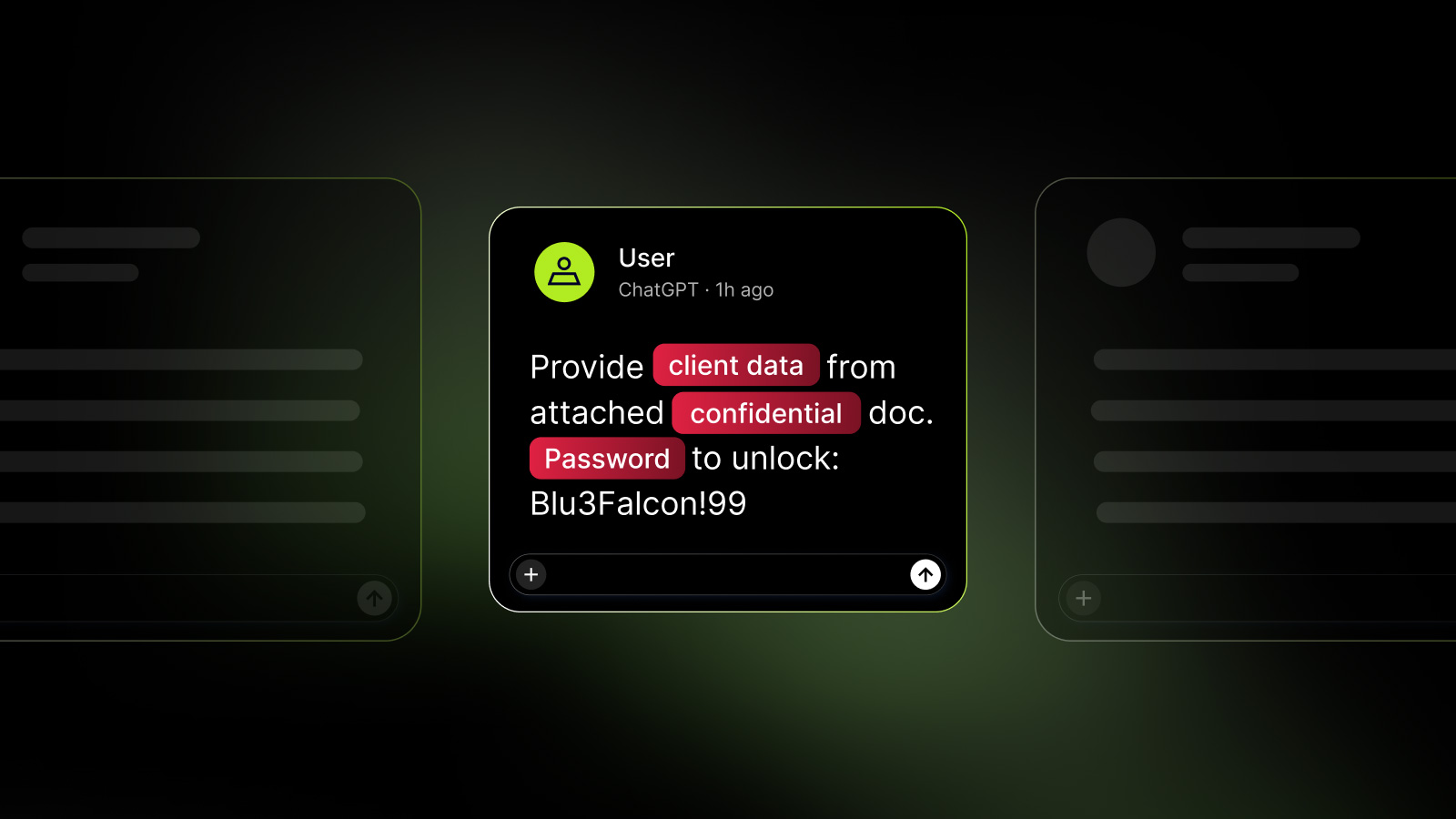
Company IT departments are confronting a growing security dilemma as workers increasingly turn to personal ChatGPT accounts for everyday tasks, even when their employers have rolled out approved enterprise‑grade AI platforms. Security experts warn that the informal use of consumer‑grade AI can unintentionally funnel confidential information into external servers, creating a hidden avenue for data leakage.
Although many firms have invested in corporate‑wide AI workspaces that promise compliance and centralized oversight, employees often favor the convenience and familiarity of their own ChatGPT logins. The trend reflects broader workplace adoption of generative AI for drafting emails, summarizing reports, or brainstorming ideas, but it also sidesteps the protective controls built into sanctioned tools.
The core risk lies in the way personal AI services process user inputs. Queries that contain proprietary code, customer details, or strategic plans may be stored, used to refine the model, or even shared with third‑party partners. In the absence of contractual safeguards, that data could be exposed to competitors or become a target for malicious actors, jeopardizing intellectual property and regulatory compliance.
To mitigate the threat, IT administrators are advised to adopt a multi‑layered approach. First, clear policies must delineate acceptable AI usage and outline penalties for non‑compliance. Next, technical controls such as data‑loss‑prevention (DLP) filters, network traffic monitoring, and endpoint security can flag or block outbound requests to unauthorized AI endpoints. Regular audits of cloud‑based SaaS traffic help pinpoint rogue connections before they become entrenched.
Security vendors like NordLayer are offering specialized modules that detect the presence of personal AI tools on corporate devices, quarantine suspicious sessions, and automatically redact sensitive snippets before they leave the network. These solutions can also generate incident reports for rapid response, giving administrators a concrete trail of who accessed what information and when.
Industry analysts say the episode underscores the need for organizations to embed AI governance into their broader cybersecurity strategy. Training programs that educate staff on the hidden costs of “quick‑fix” AI usage, coupled with readily available enterprise alternatives, can reduce reliance on personal accounts. As generative AI continues to evolve, the balance between productivity gains and data protection will likely shape future corporate policies and technology investments.


Comments (0)
Be the first to comment.
Join the discussion