Hackers Breach Austrian Foreign Ministry, Expose Diplomatic Staff Contacts
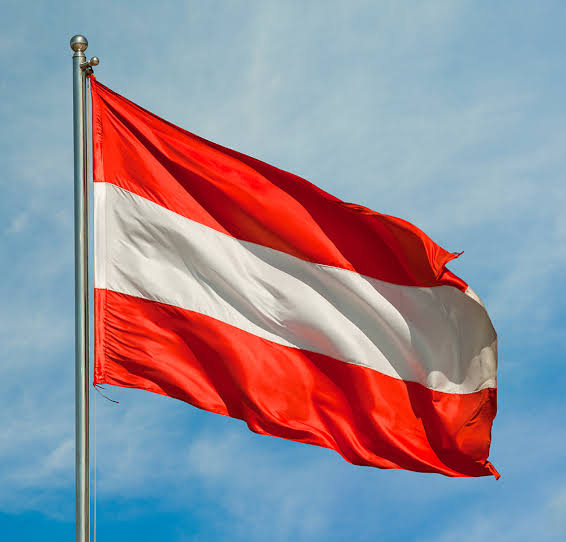
The Austrian Foreign Ministry announced that a recent cyberattack compromised its website and gave unauthorized actors access to internal records containing contact information for ministry employees, including those posted at diplomatic missions worldwide.
According to a statement from the ministry, the intrusion was detected during routine monitoring of its online infrastructure. Officials confirmed that the breach involved the theft of staff email addresses, phone numbers and other basic identifiers, though no evidence has emerged that classified diplomatic communications were intercepted.
Security experts warn that exposure of such personal data can facilitate targeted phishing campaigns, social engineering attacks, or even physical threats against diplomats. The loss of contact details undermines the ability of embassies and consulates to operate securely, especially in regions where hostile actors already monitor foreign representatives closely.
The incident adds to a pattern of cyber aggression aimed at European foreign services in recent years. Several ministries across the continent have reported similar attempts to harvest personnel data, reflecting a broader strategy by state‑linked and criminal groups to map diplomatic networks before launching more sophisticated operations.
In response, the Austrian Foreign Ministry has launched a formal investigation in partnership with national law‑enforcement agencies and cyber‑security specialists. Affected employees have been notified and instructed to change authentication credentials, while the ministry is reportedly tightening its network segmentation and deploying additional intrusion‑detection tools.
Beyond the immediate technical fixes, the breach raises questions about the resilience of diplomatic communications in an era where digital attacks are routine. Officials stress the importance of regular security training for staff abroad and the adoption of encrypted communication channels to mitigate the risk of future exposures.
The ministry declined to provide a timeline for when the investigation will conclude, but indicated that findings will be shared with allied foreign ministries to improve collective defenses. As authorities continue to trace the source of the intrusion, the episode serves as a reminder that even well‑established institutions remain vulnerable to cyber threats.


Comments (0)
Be the first to comment.
Join the discussion