Compromised Rust Package 'Onering' Caught Stealing Developer Source Code During Builds
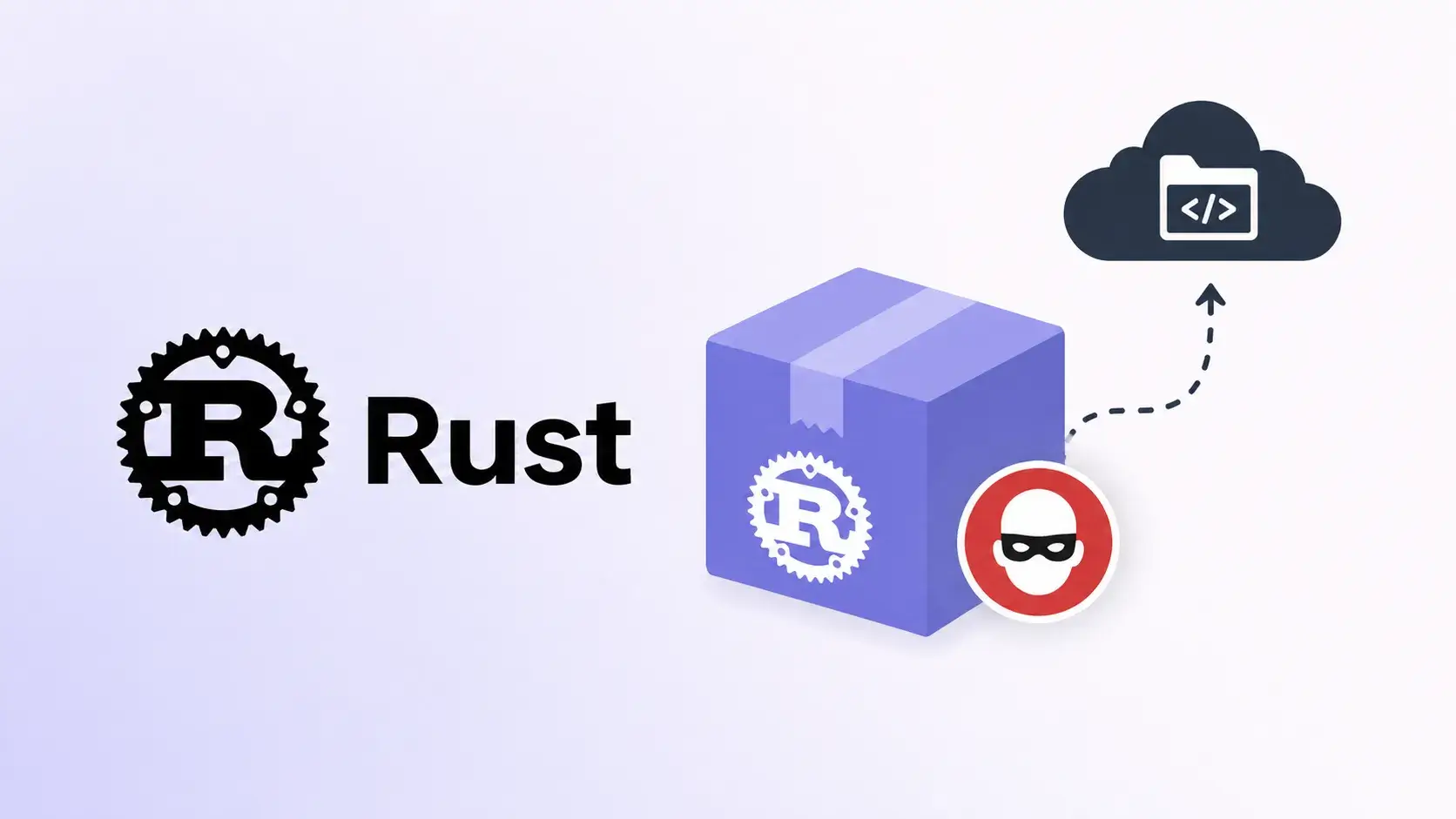
Software supply chain security is under the spotlight once again following the discovery of a compromised package in the Rust ecosystem. Security researchers have identified a malicious update in the popular Rust crate known as "onering." The compromise, which affects version 1.4.1 of the package, is designed to stealthily exfiltrate source code from developers' local machines during the compilation process.
The affected crate has accumulated more than 18,000 downloads, raising significant alarms about the potential breadth of the exposure. According to details released about the threat, the malicious payload triggers automatically when a developer builds a project containing the compromised dependency. By targeting the build phase, the malware can quietly harvest and transmit local source code changes before the developer is even aware of a breach.
The malicious behavior was officially uncovered on June 10, 2026. Cybersecurity publication GBHackers first reported the incident, noting how the attack leverages the trust developers place in open-source package registries. By embedding the exfiltration routine directly into the build pipeline, the threat actors managed to bypass traditional post-deployment security scans that only inspect finalized binaries.
This incident highlights a persistent vulnerability within modern software development workflows, particularly those relying on package managers like Cargo. Because build scripts in the Rust ecosystem often run with the same privileges as the user compiling the code, compromised dependencies can easily execute arbitrary commands, read sensitive local files, and establish outbound network connections to external servers controlled by attackers.
Industry experts urge developers who have utilized the "onering" crate to immediately inspect their dependency trees and verify if version 1.4.1 was active in their environments. Organizations affected by the breach should treat any source code handled during the compromise as potentially exposed. This includes rotating API keys, credentials, or proprietary intellectual property that may have been stored within the exfiltrated codebases.



Comments (0)
Be the first to comment.
Join the discussion