Russian‑Linked Hackers Repurpose Stolen Cloud Data for New Phishing Campaigns
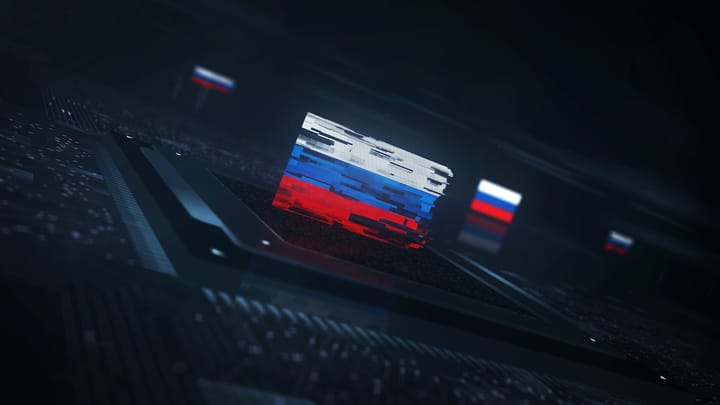
A cyber‑crime group with ties to Russia is recycling credentials and other data obtained from a recent cloud‑service breach to launch fresh social‑engineering attacks against unrelated organizations. Security researchers say the campaign leverages the authenticity of the stolen information to craft convincing impersonations, increasing the likelihood that victims will hand over additional secrets.
The tactic emerged after investigators traced a series of phishing emails that referenced details only a genuine insider would know. Those details matched data leaked from a high‑profile cloud breach earlier this year, leading analysts to conclude the attackers are reusing the compromised material rather than gathering fresh intelligence for each target.
According to the report originally published by Dark Reading, the threat actors use the stolen data to pose as trusted partners, vendors, or internal staff members. By embedding real usernames, email addresses and sometimes even recent transaction references, the messages appear legitimate, prompting recipients to click malicious links or disclose login credentials.
Such “replay” attacks exploit a well‑known weakness in many organizations’ security awareness programs: the reliance on contextual cues rather than verification of the sender’s identity. When an email contains accurate personal or operational details, employees are less likely to question its origin, even if the communication comes from a compromised external account.
Experts warn that the approach signals a shift toward more efficient, low‑cost operations for state‑aligned groups. Rather than investing time in custom reconnaissance for each victim, they can harvest a single data set and amplify its impact across a wide range of targets. This method also complicates detection, as traditional threat‑intel feeds may flag the original breach but miss the subsequent misuse of its data.
Defenders are advised to tighten verification procedures, especially for requests involving credential changes or financial actions, and to monitor for anomalous login attempts that originate from accounts previously linked to a breach. Organizations that have already suffered a cloud compromise should assume that the stolen information may be weaponized elsewhere and act accordingly. As the attackers continue to refine their impersonation techniques, the cybersecurity community expects further instances of “breach‑to‑breach” exploitation in the coming months.



Comments (0)
Be the first to comment.
Join the discussion