Trump Defends Minimal AI Oversight, Citing China as Reason to Keep Regulation Light
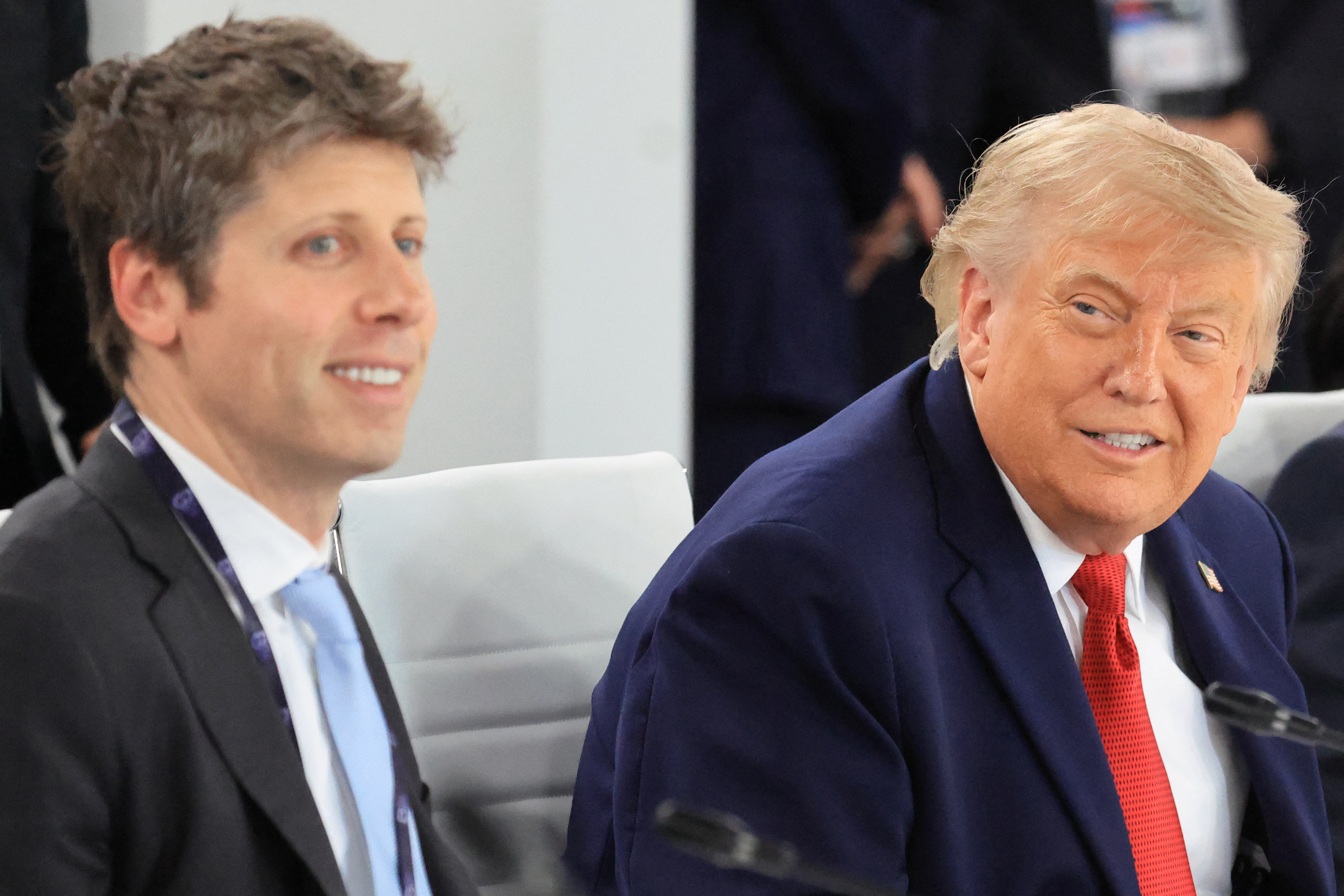
President Donald Trump reiterated his administration's preference for a hands‑off stance on artificial intelligence regulation on Tuesday, arguing that excessive oversight could hamper U.S. competitiveness, especially as China accelerates its own AI initiatives.
The remarks came amid growing alarm in Washington after a series of security breaches involving U.S. commercial frontier AI models. Several high‑profile hacks, reported by industry observers, exposed vulnerabilities in the deployment of large‑scale language models used by corporations, prompting lawmakers and technology leaders to demand clearer regulatory guidance.
Trump acknowledged the incidents but downplayed the need for immediate legislative action. He suggested that market forces and voluntary industry standards would be sufficient to address safety concerns, and warned that premature rules might drive innovation overseas, where China appears less restrained.
Critics, including members of the Senate Commerce Committee, pointed to the recent incidents as evidence that self‑regulation has failed to prevent malicious exploitation of AI tools. They cited examples of unauthorized data extraction and model manipulation that could have broader implications for national security and consumer privacy.
While the administration has not proposed specific policy changes, the president's comments signal a continuation of the broader deregulatory agenda that characterized his tenure. Analysts note that the stance contrasts with growing bipartisan momentum for a coordinated framework that would set standards for model transparency, risk assessment, and accountability.
Looking ahead, policymakers are expected to convene hearings to examine the balance between fostering AI innovation and safeguarding against misuse. The administration's reliance on competitive pressure from China as a justification for limited regulation may shape the next round of legislative proposals, as Congress weighs whether voluntary measures can keep pace with rapid technological advances.


Comments (0)
Be the first to comment.
Join the discussion