Lawmakers Question Trump Administration’s CISA Nominee Over Palantir Ties
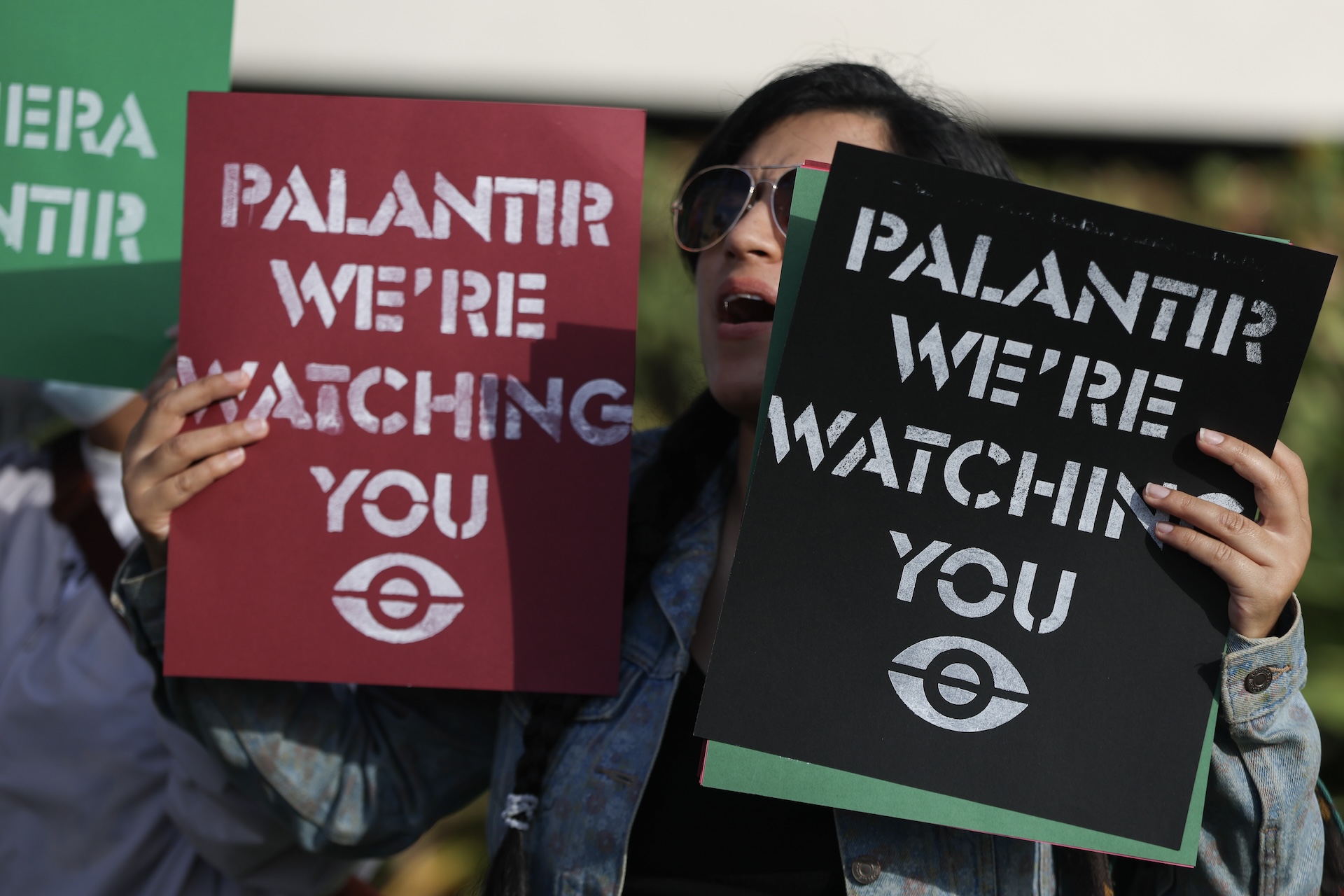
The Senate and House homeland security committees voiced reservations on Tuesday about the Trump administration’s nominee to head the Cybersecurity and Infrastructure Security Agency, citing his current employment with Palantir Technologies.
The nominee, a veteran of the private‑sector cyber‑defense field, has spent the past several years at Palantir, a data‑analytics firm that has drawn criticism over its contracts with U.S. immigration agencies and its handling of sensitive government data. Lawmakers highlighted the potential for perceived or actual conflicts of interest should the nominee move from a company that supplies software to federal agencies to the agency that oversees the nation’s cyber defenses.
CISA, created in 2018, is tasked with protecting federal networks, coordinating responses to major cyber incidents, and securing critical infrastructure ranging from power grids to water systems. Its director reports directly to the Department of Homeland Security secretary and plays a central role in shaping national cybersecurity strategy.
Democratic chairs of the Senate and House panels noted that Palantir’s close ties to multiple government contracts, including those involving law‑enforcement data, raise questions about the nominee’s ability to impartially oversee the agency’s mission. They called for a thorough vetting process and suggested that the nominee disclose any ongoing business relationships that could influence agency decisions.
The scrutiny reflects a broader pattern of congressional oversight of CISA leadership. Past directors have faced challenges ranging from budget constraints to criticism over the agency’s handling of high‑profile ransomware attacks. The current debate underscores the heightened political sensitivity surrounding cybersecurity appointments, especially as the federal government grapples with a surge in foreign‑state‑sponsored hacking and supply‑chain vulnerabilities.
The administration has indicated that the nominee will appear before the panels for a confirmation hearing in the coming weeks. Lawmakers said they will evaluate whether any safeguards, such as recusal agreements or divestment from Palantir interests, are sufficient to mitigate conflict concerns. The outcome could set a precedent for how future cybersecurity appointments are assessed amid growing scrutiny of the revolving door between tech firms and government security agencies.



Comments (0)
Be the first to comment.
Join the discussion