CIA Elevates Cyber Operations to Core of Field Missions, Deputy Director Says
CIA Deputy Director Michael Ellis announced Tuesday that the agency is restructuring its intelligence approach to place cyber capabilities at the core of both collection and field operations. The shift marks a departure from treating digital tools as an auxiliary service and signals a broader strategic realignment within the United States intelligence community.
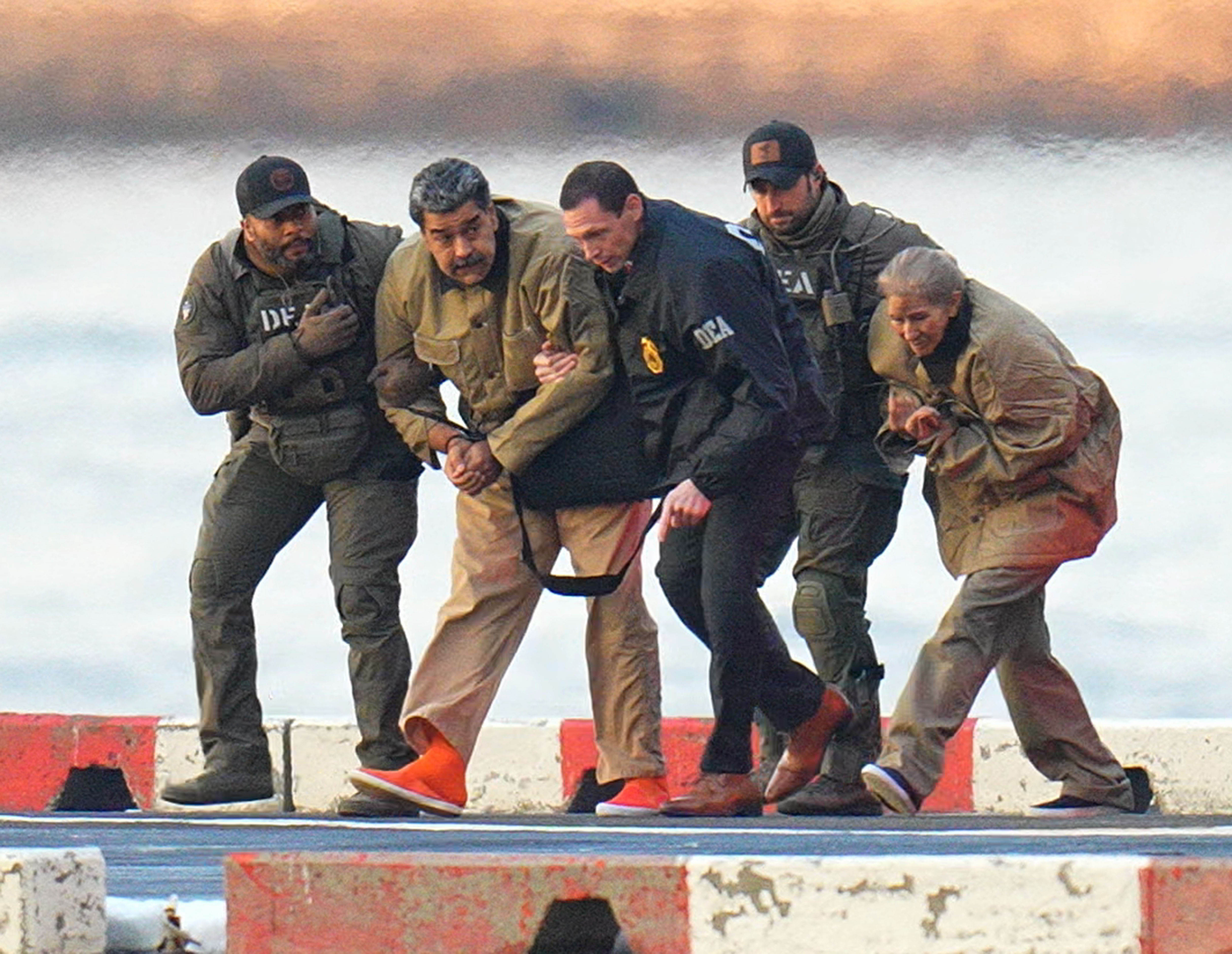
Ellis cited the agency’s involvement in Operation Absolute Resolve as a concrete illustration of the new model. While details of the operation remain classified, officials have confirmed that cyber assets were integrated directly into planning and execution phases, allowing analysts to gather real‑time network data alongside human sources on the ground.
Historically, the CIA maintained a distinct technical branch that provided computer‑network exploitation and defensive support to field teams. Over the past decade, rapid advances in ransomware, nation‑state hacking, and the proliferation of encrypted communications have forced intelligence agencies to reconsider that separation. By embedding cyber specialists within mission teams, the CIA hopes to reduce latency between data acquisition and actionable intelligence.
The change aligns with a wider trend across U.S. national security agencies. The National Security Agency, the Department of Defense and the FBI have all expanded joint cyber‑intelligence units in recent years, emphasizing cross‑disciplinary collaboration. Analysts say the CIA’s move could improve its ability to track adversary planning in the digital domain, from election interference to illicit financing networks.
Critics caution that the integration of cyber tools into covert operations raises legal and ethical questions, particularly concerning the scope of surveillance and the potential for collateral damage to civilian infrastructure. Congressional oversight committees have begun reviewing the agency’s new protocols to ensure compliance with existing statutes such as the Foreign Intelligence Surveillance Act.
Looking ahead, Ellis indicated that the CIA will continue to invest in recruiting cyber talent, modernizing its technical infrastructure, and refining doctrine that treats digital and human intelligence as complementary. The agency’s leadership expects the revised approach to enhance situational awareness in emerging threat environments, though the full impact will depend on how quickly operational units can adapt to the new workflow.
The shift may also reshape partnerships with allied intelligence services. NATO members have long shared cyber threat indicators, and a more integrated CIA model could streamline joint operations, allowing partners to contribute expertise in real time. Observers note that such coordination could prove decisive in countering transnational cyber‑crime syndicates and state‑sponsored hacking campaigns.

Comments (0)
Be the first to comment.
Join the discussion