Phishing Scams Pose as ChatGPT Subscription Alerts to Hijack User Credentials
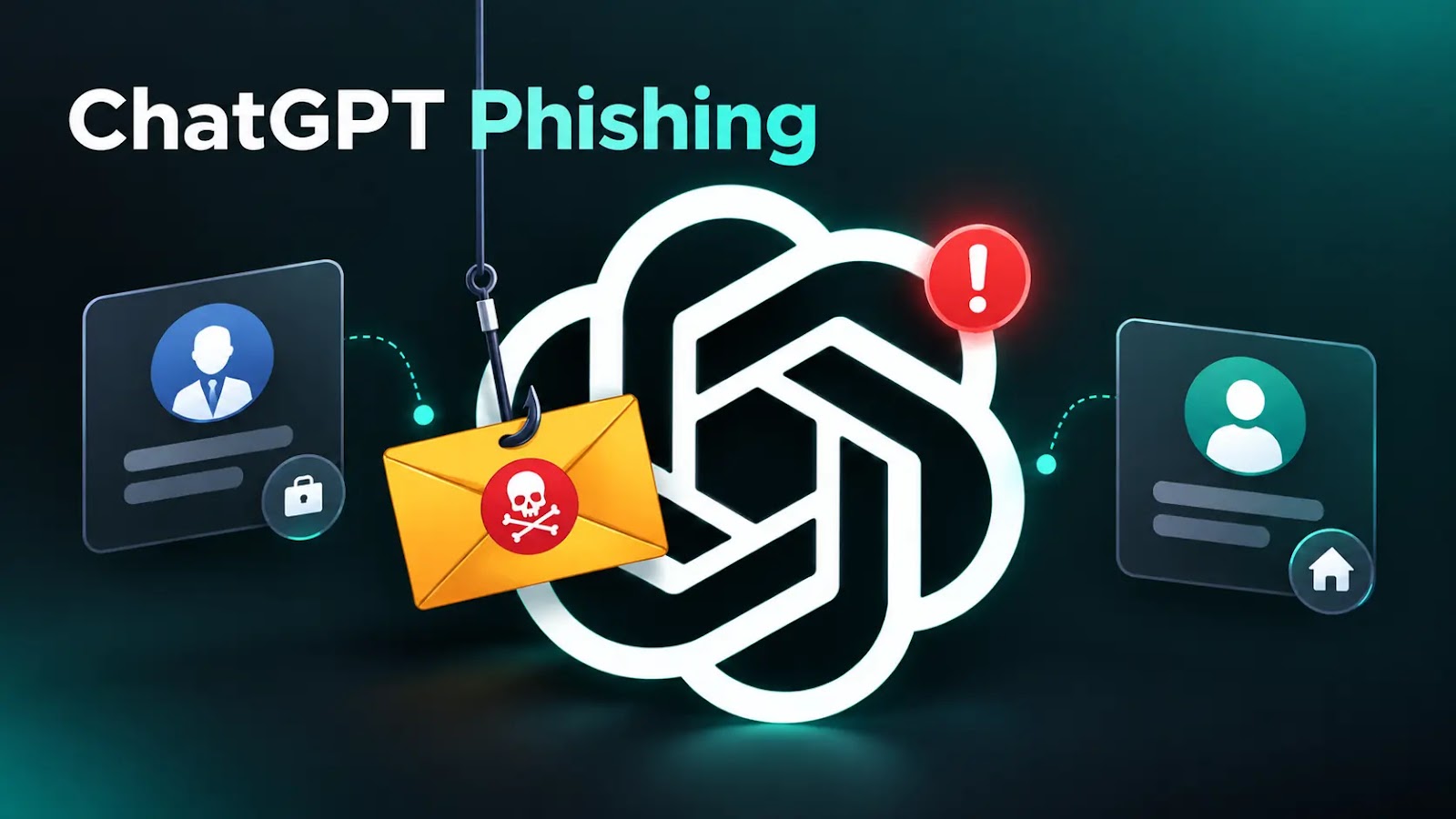
Cybercriminals have begun exploiting the surge in generative‑AI usage by sending fake payment notices that appear to come from OpenAI's ChatGPT service, aiming to steal login details for both corporate and personal accounts.
The campaign, first spotted by security researchers at GBHackers, distributes emails that mimic the look and language of official OpenAI communications. Recipients are told their subscription has lapsed and are prompted to click a link to update billing information. The link leads to a counterfeit login page that captures usernames and passwords before forwarding the victim to the real OpenAI site.
Unlike earlier phishing attempts that targeted a single audience, this operation deliberately tailors its messages for two distinct groups: employees using ChatGPT for workplace tasks and individual users who access the tool for personal projects. By casting a wide net, attackers increase the likelihood of compromising accounts that may hold sensitive corporate data or personal content generated by the AI.
OpenAI has not confirmed the incident, but the pattern aligns with a broader trend of threat actors weaponizing the popularity of AI tools. As more businesses integrate ChatGPT into internal workflows—ranging from drafting emails to coding assistance—the value of a compromised account rises, giving hackers potential entry points into otherwise secured environments.
Security experts warn that the fraudulent emails often contain subtle cues, such as slightly altered URLs, generic greetings, and urgent language urging immediate action. They recommend verifying any payment request by logging directly into the official OpenAI dashboard rather than following embedded links, and enabling two‑factor authentication wherever possible.
Organizations are also advised to update their security awareness programs to include AI‑related phishing scenarios. Training that reflects the latest tactics can help employees recognize the nuanced differences between authentic OpenAI notifications and malicious imitations.
Law enforcement agencies are monitoring the situation, and investigators are working to trace the infrastructure behind the campaign. While the full scope remains unclear, the incident underscores the need for continuous vigilance as emerging technologies become attractive targets for cybercrime.
For now, users should remain skeptical of unexpected subscription alerts, double‑check sender addresses, and report suspicious messages to their IT or security teams. As the AI landscape evolves, so too will the methods employed by attackers, making proactive defense essential.


Comments (0)
Be the first to comment.
Join the discussion