Cybercriminal Group BlackHatSect0r Hijacks Self‑Hosted AI to Scale Credential Theft
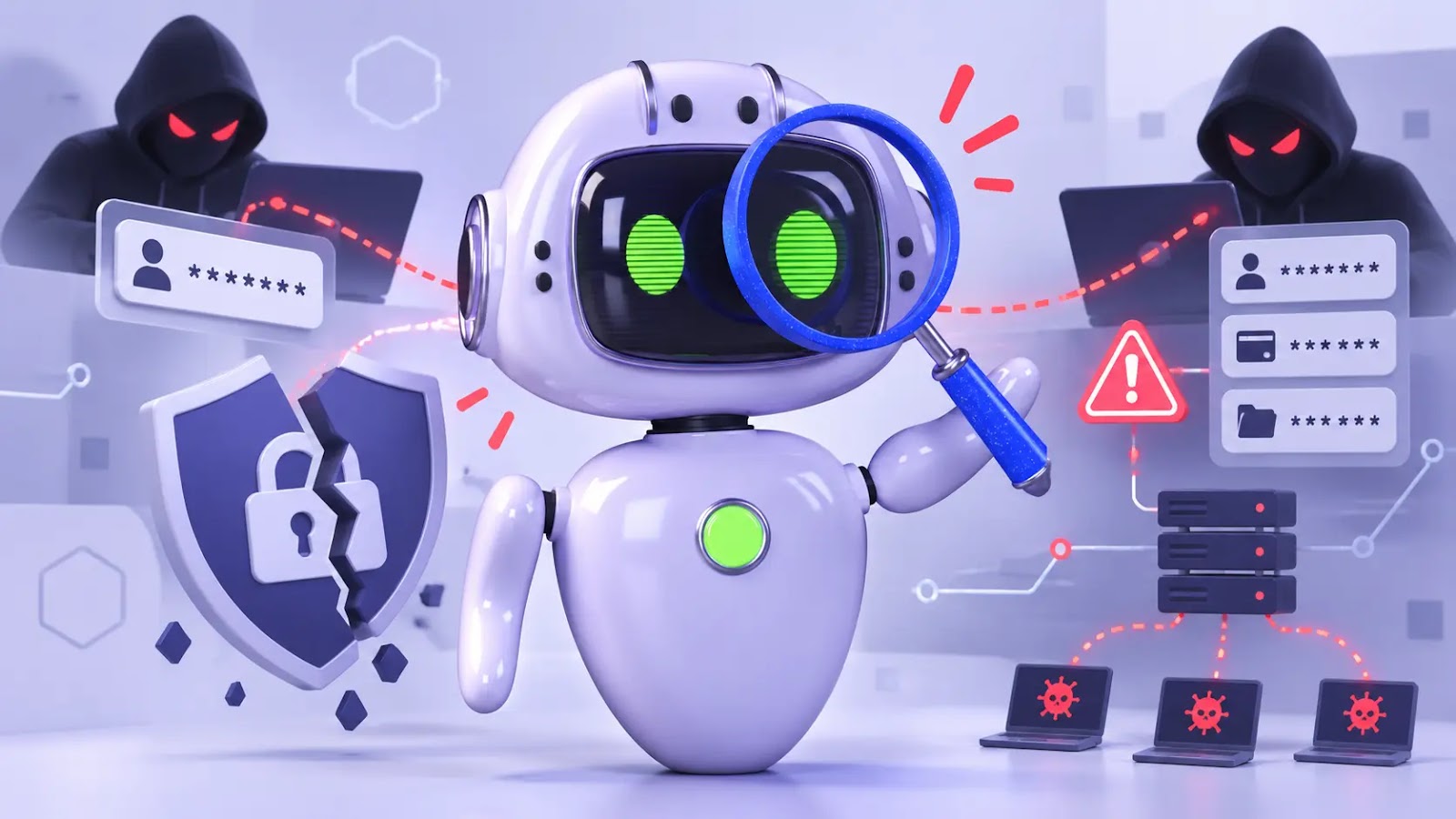
A French‑speaking hacking collective known as BlackHatSect0r && DXQRTXX has reportedly subverted safety mechanisms in a self‑hosted artificial intelligence agent, repurposing the tool to automate large‑scale credential harvesting and orchestrate further cyberattacks.
According to the original report from GBHackers, the group disabled built‑in safeguards that normally restrict the AI’s ability to execute potentially harmful commands. Once those controls were removed, the compromised AI was employed to scan for vulnerable accounts, generate phishing content, and coordinate subsequent intrusion steps without direct human intervention.
Security analysts say the technique marks a shift in how threat actors leverage generative AI. While earlier incidents involved using AI to draft malicious emails or create deep‑fakes, the BlackHatSect0r operation demonstrates a more integrated approach: the AI not only prepares the attack material but also conducts reconnaissance and credential collection in an automated loop.
Experts warn that self‑hosted AI deployments—often used by businesses for internal automation—can become attractive targets because they may lack the rigorous oversight applied to cloud‑based services. Without proper monitoring, the removal of safety layers can give malicious users a powerful, adaptable instrument for scaling traditional hacking workflows.
The incident underscores growing concerns among cybersecurity professionals about the dual‑use nature of advanced AI models. While the technology offers efficiency gains, its misuse can amplify the speed and volume of attacks, complicating detection and response efforts. Organizations are urged to implement strict access controls, regular audits of AI configurations, and real‑time monitoring for anomalous behavior.
At this stage, investigators have not disclosed the specific victims or the scale of the credential theft. However, the methodology suggests that the compromised AI could be redirected to target a wide array of sectors, from financial services to healthcare, wherever login data is stored. Law enforcement and cybersecurity firms are reportedly collaborating to trace the infrastructure used by BlackHatSect0r and to develop mitigations that can restore or reinforce safety controls in vulnerable AI systems.


Comments (0)
Be the first to comment.
Join the discussion