Bipartisan Push to Curtail Police License‑Plate Scanners Gains Momentum in Congress
Two high‑profile pieces of legislation introduced this week signal a growing bipartisan backlash against the expanding use of automated license‑plate readers (ALPRs) by law‑enforcement agencies across the United States.
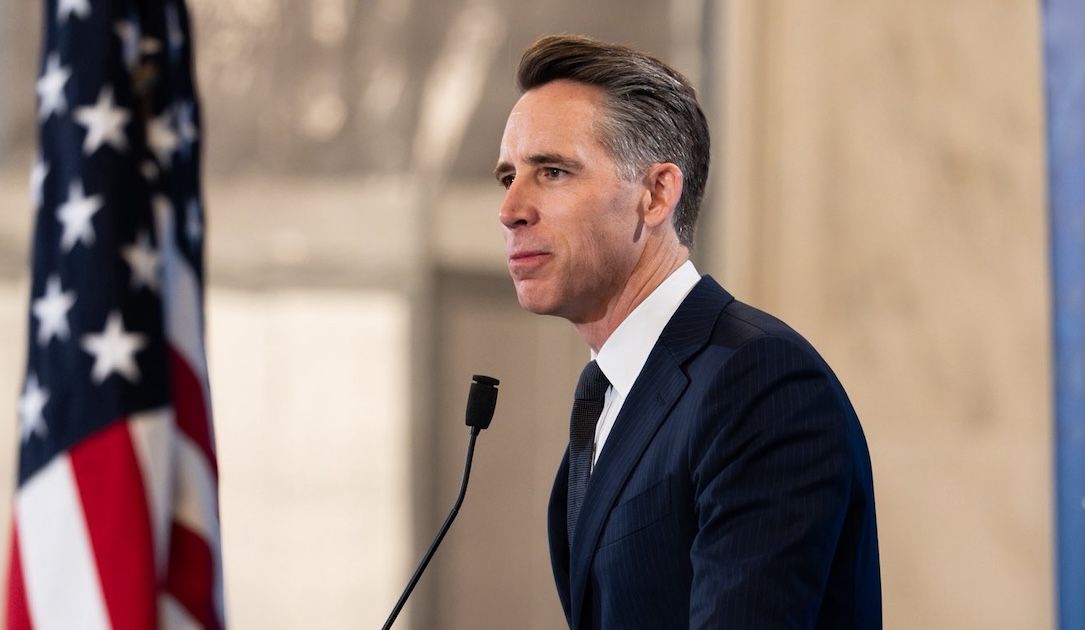
Republican Sen. Josh Hawley (Mo.) unveiled a bill that would impose new limits on how police departments can deploy ALPR technology, including stricter oversight and potential warrant requirements for large‑scale data collection. Hawley framed the measure as a safeguard for civil liberties, arguing that unchecked surveillance threatens the constitutional right to privacy.
On the other side of the aisle, Democratic Sens. Bernie Sanders (Vt.) and Jeff Merkley (Or.) joined forces with Representative Alexandria Ocasio‑Cortez (N.Y.) to sponsor a broader proposal that seeks to place comprehensive restrictions on ALPR usage nationwide. Their draft legislation calls for transparent reporting, limits on data retention, and a ban on indiscriminate, mass‑surveillance scans unless a clear, case‑by‑case justification is provided.
ALPR systems, which capture and store images of vehicle plates in real time, have become a staple of modern policing, enabling rapid identification of stolen cars, wanted suspects, and traffic violations. However, civil‑rights groups have warned that the technology also allows for sweeping, location‑based tracking of ordinary citizens, often without their knowledge or consent. Several states and municipalities have already enacted local ordinances to curb or regulate the practice, but there remains no uniform federal standard.
The emergence of parallel bills from both parties underscores an unusual alignment of concerns that cuts across traditional political divides. Law‑enforcement unions have pushed back, emphasizing the operational benefits of ALPRs, while privacy advocates have lauded the legislative efforts as a necessary check on government overreach. The timing coincides with heightened public scrutiny of surveillance tools following high‑profile data‑privacy debates and recent court rulings on digital tracking.
Both proposals now face the usual legislative gauntlet. Hawley’s measure is slated for discussion in the Senate Judiciary Committee, while the Sanders‑Merkley‑Ocasio‑Cortez bill will be referred to the Senate Commerce Committee and the House Judiciary Committee. Lawmakers say hearings are likely in the coming weeks, where technology experts, civil‑rights attorneys, and police representatives will weigh in. The outcome could shape the future balance between public safety and individual privacy, potentially setting a precedent for how emerging surveillance technologies are governed at the national level.



Comments (0)
Be the first to comment.
Join the discussion