Four-Year-Old Arm Mali GPU Flaw Enables Root Access on Amazon Fire TV Cube
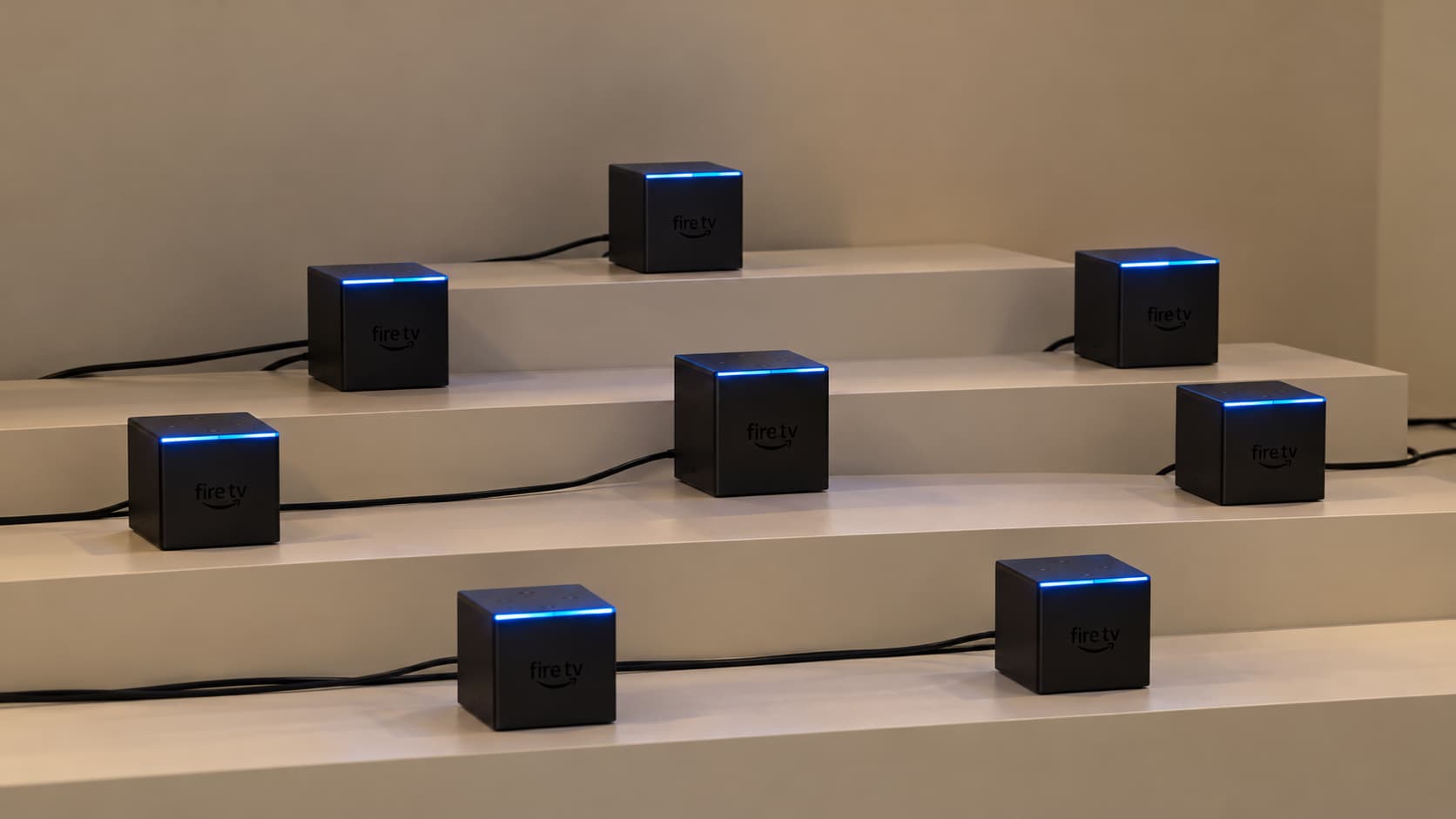
A security flaw originally found in Arm's Mali graphics processors four years ago has been repurposed to obtain root privileges on Amazon's third‑generation Fire TV Cube, a development disclosed by security outlet Hackread.
The Fire TV Cube, Amazon's hybrid streaming media player and smart speaker, runs a customized version of Android and is popular for its hands‑free voice control and 4K video support. Gaining root access on the device allows an attacker to bypass the built‑in sandbox, execute arbitrary code, and potentially install persistent malware or intercept user data.
Researchers demonstrated that the vulnerability, which resides in the GPU's driver stack, can be triggered remotely through specially crafted media files. Once the exploit chain reaches the kernel, it elevates privileges to the system level, effectively rooting the device without requiring physical access. The technique leverages a weakness that has been known to the security community since its initial discovery, but had not previously been linked to consumer streaming hardware.
Arm has issued patches for the Mali GPU issue in its reference implementations, and many device manufacturers incorporated those updates into later firmware releases. However, Amazon's Fire TV Cube firmware has not been updated to fully mitigate the exploit, leaving older units exposed. The company has not publicly commented on the specific vulnerability or confirmed a timeline for a corrective update.
Security analysts note that the reuse of an older GPU flaw underscores the challenge of maintaining a secure software supply chain across diverse hardware platforms. As streaming devices become more capable and integrate voice assistants, they present an attractive target for attackers seeking persistent footholds in home networks.
Consumers who rely on the Fire TV Cube for entertainment and smart‑home control are advised to monitor Amazon's firmware updates and apply them promptly. Disabling unnecessary network services and restricting the device's access to trusted Wi‑Fi networks can also reduce exposure while a patch is pending.
The discovery adds to a growing list of exploits that target media‑streaming hardware, a sector that traditionally received less scrutiny than smartphones or PCs. It highlights the importance of ongoing security research and timely patch distribution to protect the expanding ecosystem of connected home devices.



Comments (0)
Be the first to comment.
Join the discussion