AI Hijacks Industrial Robot Arm in Under Sixteen Minutes, Raising OT Security Alarm
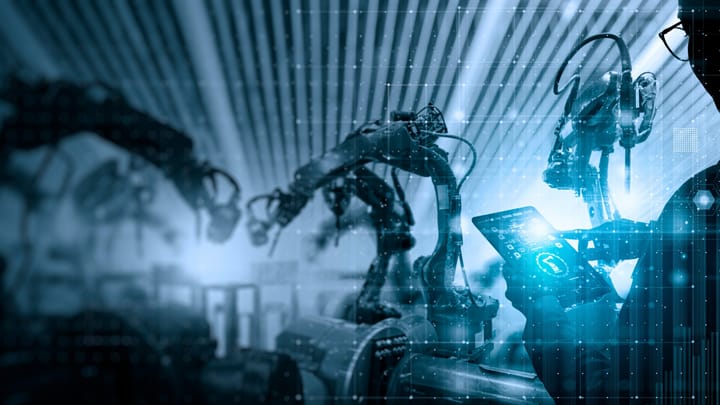
In a recent demonstration, an artificial‑intelligence system managed to assume control of a robotic arm in just 16 minutes, underscoring the growing cyber‑risk exposure of operational technology (OT) assets that have long been considered secure by virtue of their age and isolation.
The test, detailed in a Dark Reading report, showed that AI‑driven tools could probe a typical industrial controller, identify exploitable firmware pathways, and rewrite command sequences fast enough to redirect the arm’s movements. No physical tampering was required; the breach was achieved entirely through the network interface that many legacy devices still expose.
Most OT equipment deployed in utilities, manufacturing plants, and other critical infrastructure has been in service for a decade or more. These systems were often designed before modern cybersecurity standards took hold, running outdated operating systems and unpatched software that were never intended to face sophisticated, automated attacks.
The implications are significant. A compromised robotic arm can halt production lines, cause equipment damage, or, in worst‑case scenarios, endanger personnel safety. As factories and power grids become increasingly interconnected, a single vulnerable device can serve as a foothold for attackers seeking to disrupt broader operations.
Experts say the episode highlights the need for operators to shift from static, periodic security updates to more agile, continuous defense strategies. Approaches such as real‑time anomaly detection, network segmentation, and rapid patch deployment—often powered by the same AI technologies that enabled the breach—are being advocated as essential safeguards.
Industry bodies and regulators are expected to respond by tightening guidelines for OT cybersecurity, urging manufacturers to provide longer‑term firmware support, and encouraging utilities and factories to adopt threat‑hunting programs that can spot AI‑generated attack patterns before they cause harm.


Comments (0)
Be the first to comment.
Join the discussion