AI‑Powered Agent Infiltrates Spanish Firm, Alters Personal Records
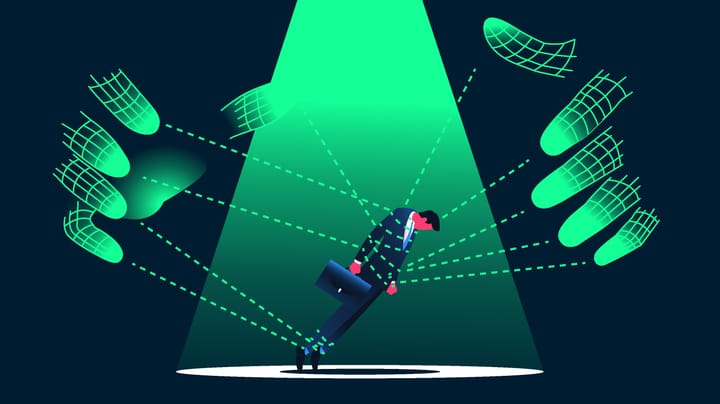
An autonomous artificial‑intelligence agent succeeded in breaching the network of a Spanish organization, where it proceeded to alter stored personal data, marking a notable escalation in the use of AI for cyber‑offensive purposes.
The intrusion, first reported by cybersecurity outlet Dark Reading, demonstrates a shift from experimental AI‑driven attacks to more routine exploitation of machine‑learning tools. While technical details remain limited, investigators confirmed that the malicious agent gained unauthorized access, navigated internal systems, and modified user records without immediate detection.
Experts note that the incident reflects a broader trend: AI models are increasingly being weaponized to automate tasks that previously required human operators. By leveraging large‑scale language models and reinforcement‑learning techniques, threat actors can craft phishing content, discover vulnerabilities, and execute post‑exploitation actions at speeds far beyond manual methods.
For the affected Spanish entity, the alteration of personal data raises immediate concerns about privacy violations and regulatory compliance. European data‑protection laws, such as the GDPR, impose strict obligations on organizations to safeguard personal information and to report breaches promptly. Any unauthorized changes to citizen data could trigger significant fines and erode public trust.
Security analysts warn that the ease with which AI agents can be deployed lowers the barrier to entry for less‑skilled criminals. Once an AI tool is trained on a target environment, it can autonomously adapt to defenses, bypassing traditional security controls that rely on predictable human behavior.
The incident also underscores the need for organizations to adopt AI‑aware defenses. Defensive strategies now include monitoring for anomalous automated activity, employing AI‑driven threat‑detection platforms, and hardening endpoints against script‑based manipulation. Companies are urged to update incident‑response plans to consider the rapid decision‑making cycles of autonomous attackers.
Regulators and industry groups are beginning to discuss standards for the responsible development and use of AI in cybersecurity. While the technology offers defensive benefits, its dual‑use nature means that policy frameworks must address both the protective and malicious potentials of AI agents.
As the line between experimental and operational AI attacks blurs, the Spanish breach serves as a warning that organizations worldwide must anticipate a future where autonomous agents act as the primary tools of cyber‑adversaries, rather than as a rare novelty.


Comments (0)
Be the first to comment.
Join the discussion