Corporate AI Credentials Leaked as Infostealers Target Machine‑Learning Platforms

Security researchers have identified a surge in malicious software that harvests artificial‑intelligence (AI) account details, exposing a growing vulnerability in corporate environments that rely on cloud‑based AI services. The data, collected by SOCRadar from stealer logs over the past three months, reveals that 482 organizations have had their AI sessions, API keys, or account credentials compromised.
Infostealers, traditionally associated with stealing passwords and payment information, are now being repurposed to capture the tokens that grant access to AI models, compute resources, and integrated systems. Once an attacker obtains an API key, they can execute queries, generate content, or even launch large‑scale workloads at the victim’s expense, potentially siphoning both data and compute credits.
The shift reflects the rapid adoption of AI tools across industries. Companies embed language models, image generators, and analytics services into internal workflows, often granting broad permissions to streamline development. This convenience creates a lucrative target: a single compromised key can unlock access to proprietary datasets, business logic, and downstream applications that depend on AI outputs.
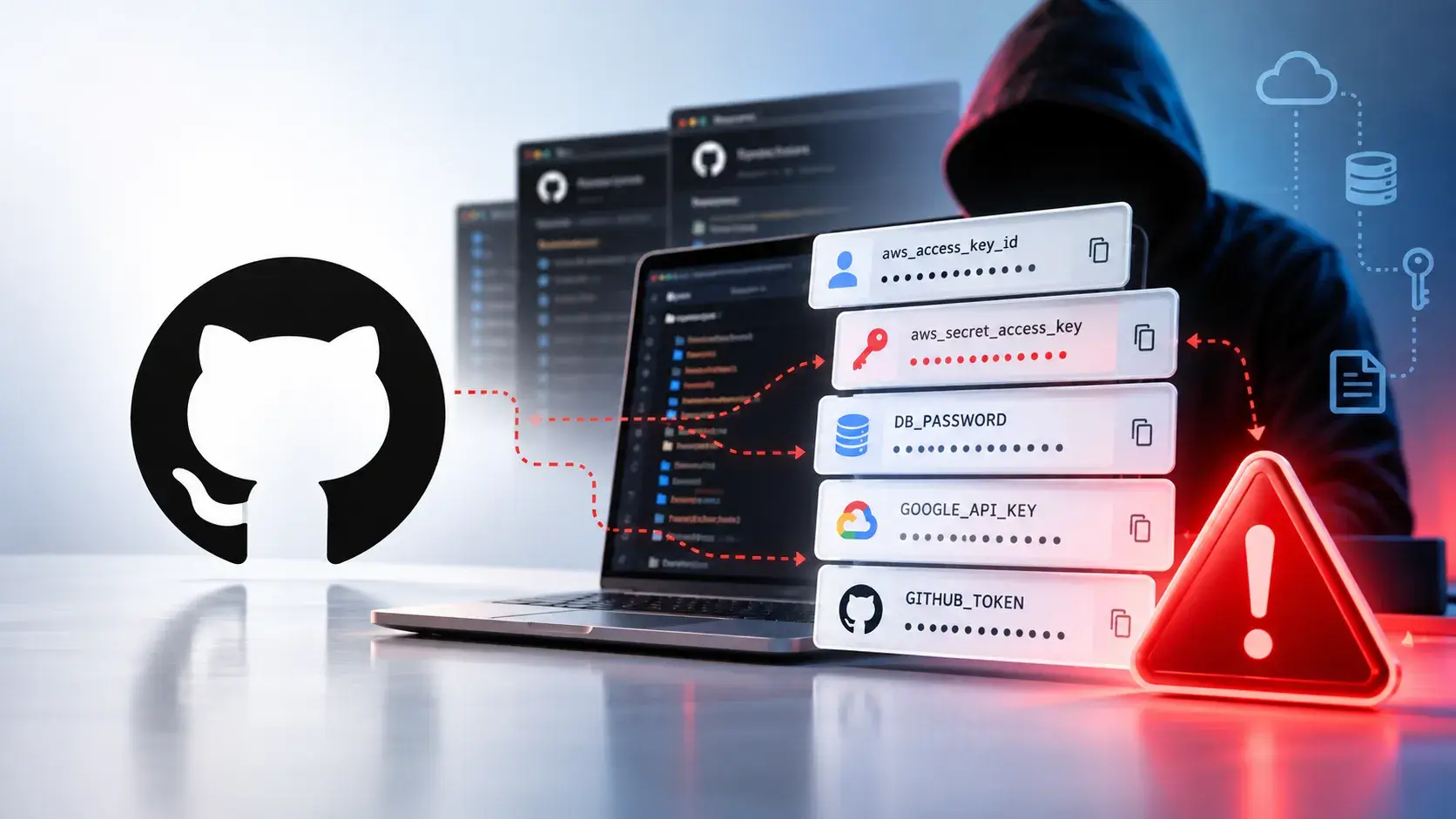
SOCRadar’s analysis did not attribute the leaks to a single threat actor, but the breadth of affected firms suggests a commodity‑style operation where stolen credentials are sold or reused across multiple campaigns. The researchers warn that the typical defenses—such as password managers and multi‑factor authentication—may not fully protect API keys, which are often stored in code repositories or environment variables without additional safeguards.
Experts recommend that organizations treat AI credentials with the same rigor as privileged access. Practices include rotating keys regularly, enforcing least‑privilege scopes, monitoring anomalous API usage, and employing secret‑management solutions that encrypt and audit access. As AI becomes more embedded in critical processes, the potential impact of a breach expands from data leakage to operational disruption.
Regulators and industry groups are beginning to address the security gap. Guidance from standards bodies is emphasizing the need for AI‑specific risk assessments and the incorporation of credential hygiene into broader cyber‑risk frameworks. Meanwhile, vendors are enhancing detection capabilities, offering alerts for unusual request patterns that may indicate compromised keys.
The findings underscore a broader trend: as enterprises lean on AI to drive innovation, the attack surface evolves in tandem. Vigilance, combined with proactive credential management, will be essential to prevent malicious actors from turning AI platforms into footholds for deeper infiltration.

Comments (0)
Be the first to comment.
Join the discussion