Congress Introduces AI Test Initiative for Critical Infrastructure After Recent Water System Hacks
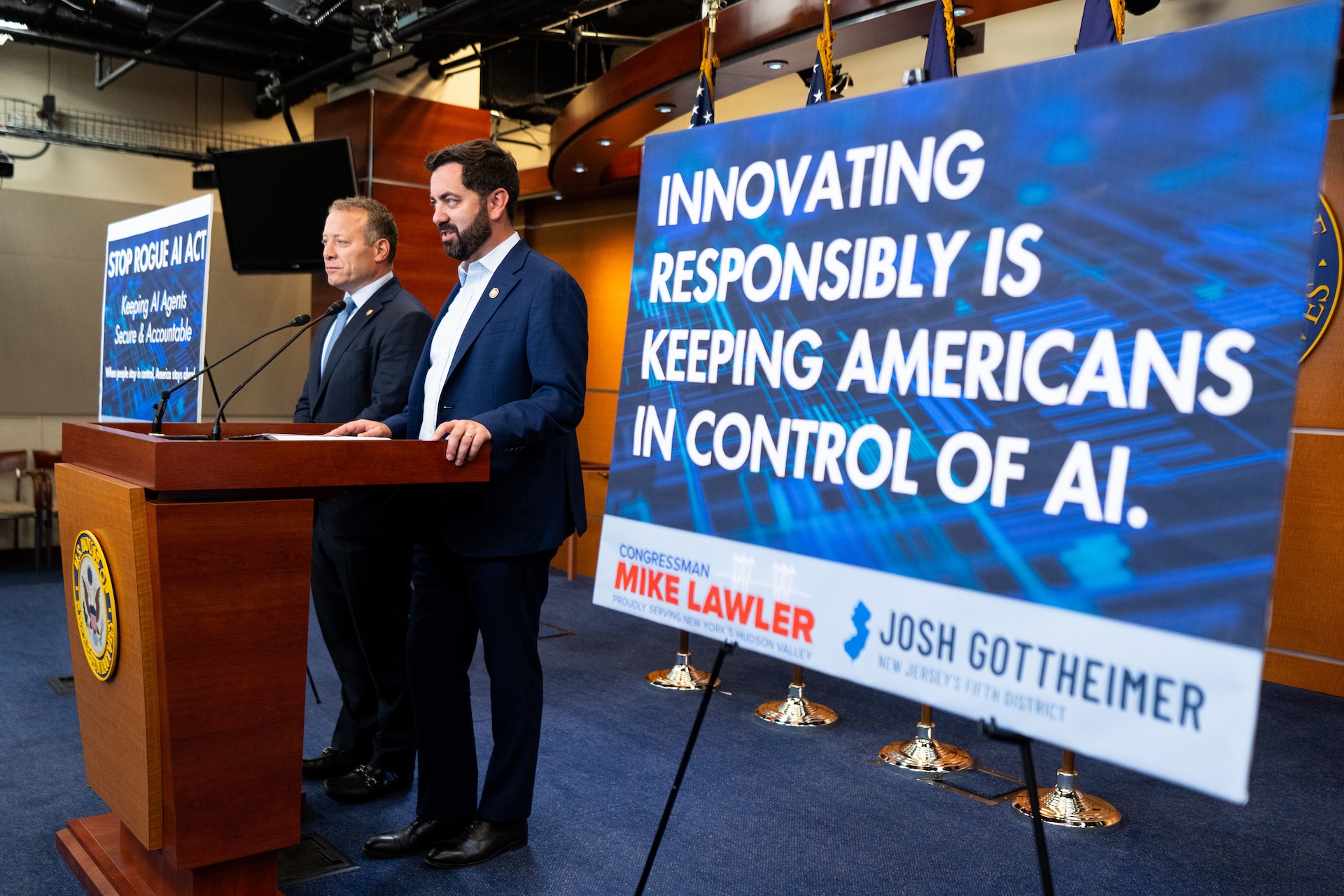
In response to a spate of cyber intrusions targeting municipal water systems, a senior House Democrat who now chairs the party's artificial‑intelligence task force has unveiled a bill that would create a pilot program within the Cybersecurity and Infrastructure Security Agency (CISA). The proposal aims to give operators of essential services complimentary access to the latest frontier AI models for testing and hardening their networks.
The legislation, formally titled the Critical Infrastructure AI Test Program Act, would task CISA with setting up a secure sandbox where utilities, power grids, and other key sectors could experiment with advanced machine‑learning tools without incurring licensing fees. Participants would be able to run threat‑detection algorithms, simulate attacks, and evaluate AI‑driven response playbooks under the agency's oversight.
Lawmakers point to the recent water‑treatment facility breaches—where attackers manipulated dosing controls and disrupted service—to illustrate the urgency of bolstering defensive capabilities. While traditional cybersecurity tools remain essential, officials argue that generative AI and large language models can accelerate anomaly detection and automate incident response, potentially narrowing the window of exposure.
The bill leverages CISA’s existing mandate to protect the nation’s critical infrastructure. By integrating AI testing into its portfolio, the agency would serve as a bridge between private‑sector operators and leading AI developers, facilitating data sharing, best‑practice guidelines, and coordinated vulnerability disclosures.
Proponents say the program could level the playing field for smaller utilities that lack the budget to purchase cutting‑edge AI solutions. Free access to state‑of‑the‑art models would allow these entities to pilot innovative security measures, assess their effectiveness, and adopt proven tools without the typical financial barrier.
However, the initiative also raises questions about the security of the AI models themselves. Critics warn that exposing powerful generative systems to a broad user base could inadvertently create new attack vectors if the models are not properly sandboxed. The bill addresses these concerns by mandating strict access controls, audit trails, and regular security reviews conducted by CISA.
After clearing the House Energy and Commerce Committee, the proposal is expected to move to the full chamber for a vote later this month. If passed, the program could launch a pilot phase within six months, targeting a select group of water utilities, electric cooperatives, and transportation hubs.
Beyond the immediate goal of shoring up water‑system defenses, the legislation signals a growing congressional appetite for integrating AI into national‑security frameworks. Observers note that the approach could serve as a template for future AI‑focused resilience efforts across other critical sectors, shaping how the United States balances innovation with risk management in the age of rapid AI advancement.

Comments (0)
Be the first to comment.
Join the discussion