Pentagon Memo Commands Cyber Command Leadership to Address Suicide Cluster
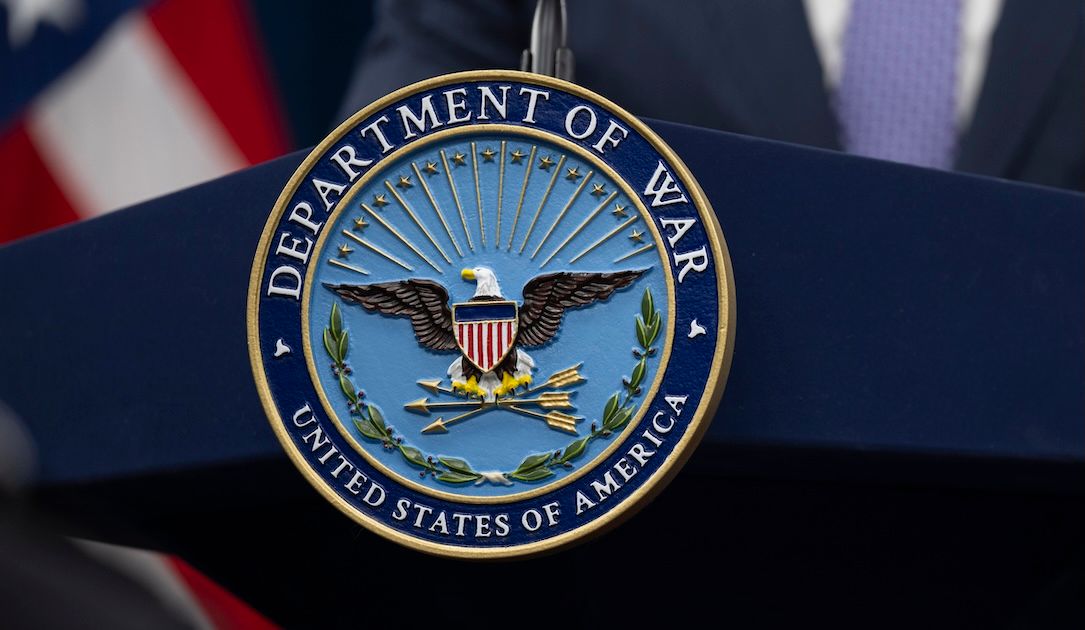
The Pentagon’s assistant secretary for cyber policy sent a formal memorandum on Aug. 31 ordering U.S. Cyber Command leaders to respond to a recent series of suicide deaths among service members attached to the command.
Recorded Future News obtained the memo, which outlines a set of specific expectations for Cyber Command’s senior staff. While the document does not name individual cases, it references a “cluster of suicide deaths” that has raised concern among senior defense officials and prompted a direct call for corrective action.
The notice arrives amid a broader national conversation about suicide rates in the armed forces. Over the past several years, the Department of Defense has reported higher-than‑expected numbers of self‑inflicted deaths in certain units, prompting congressional hearings and policy reviews aimed at improving mental‑health support for service members.
U.S. Cyber Command, established in 2009 and elevated to a unified combatant command in 2018, is responsible for defending the nation’s digital infrastructure and conducting offensive cyber operations. The command’s mission demands long hours, high stakes, and a constant state of readiness, factors that mental‑health experts say can exacerbate stress and burnout.
Military leaders have long emphasized the importance of resilience programs, peer‑support networks, and access to counseling for personnel in high‑pressure environments. The new memo signals that senior officials believe existing measures may be insufficient in the cyber domain, and that a more targeted response is required to prevent further tragedies.
According to the memorandum, Cyber Command is to provide a detailed assessment of current mental‑health resources, outline steps for immediate intervention, and report back to the assistant secretary within a prescribed timeframe. The directive also calls for a review of operational tempo and workload distribution to identify any systemic contributors to the recent deaths.
The Pentagon has not offered additional comment on the contents of the memo or the specifics of the demands placed on Cyber Command leadership. A department spokesperson reiterated the agency’s ongoing commitment to the well‑being of all service members but declined to elaborate further.
If the command follows through on the outlined actions, the response could set a precedent for how the military addresses mental‑health challenges in other high‑stress units. Observers note that the outcome may influence future policy decisions across the Department of Defense, reinforcing the link between operational effectiveness and the health of the force.



Comments (0)
Be the first to comment.
Join the discussion