Remote Breach of BYD Shark 6 Highlights Growing Perils of Connected‑Car Technology
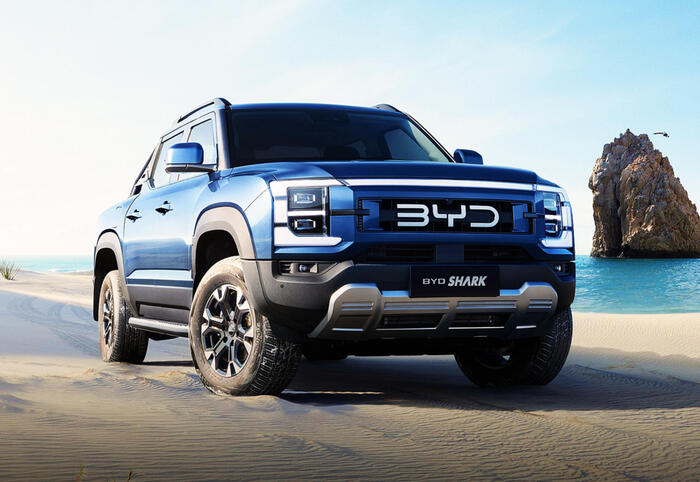
A BYD Shark 6 sedan was demonstrated to be vulnerable to a remote intrusion that gave an attacker control over the vehicle's lighting, location data and cabin microphone, underscoring the escalating security challenges faced by increasingly networked automobiles.
The proof‑of‑concept was carried out by a journalist who drove the electric car along a rural stretch near Canberra while a security researcher, positioned on the roadside, executed the exploit. Within seconds the hacker was able to switch off the headlights, track the car's GPS coordinates and activate the interior audio system, effectively turning the vehicle into a remotely operable device.
According to the demonstration, the breach leveraged the Shark 6's built‑in telematics module, which communicates with BYD's cloud services via cellular networks for functions such as over‑the‑air updates, remote diagnostics and mobile app integration. By intercepting or spoofing those communications, the researcher could inject commands that bypassed the car’s internal safeguards. BYD has not yet released a detailed technical analysis, but the incident suggests that authentication and encryption mechanisms in the current implementation may be insufficient to prevent unauthorized command injection.
The episode adds to a growing list of high‑profile connected‑car exploits that have emerged over the past few years, ranging from the 2015 Jeep Cherokee hack that allowed full vehicle control to more recent demonstrations against various European and Asian manufacturers. Industry analysts argue that the rapid rollout of software‑defined features often outpaces the development of robust security frameworks, leaving consumers exposed to potential privacy violations and safety hazards.
Following the test, BYD indicated that it would investigate the findings and work on firmware patches to remediate the identified weaknesses. Regulators in Australia and elsewhere are expected to scrutinize the incident as part of broader efforts to establish mandatory cybersecurity standards for automotive manufacturers. In the meantime, experts advise owners of connected vehicles to keep their software up to date, limit unnecessary third‑party app integrations and remain vigilant for any unexpected vehicle behavior.


Comments (0)
Be the first to comment.
Join the discussion