Chainguard, Sonatype and Scribe/Lineaje Top the 2026 Container Registry Security Landscape
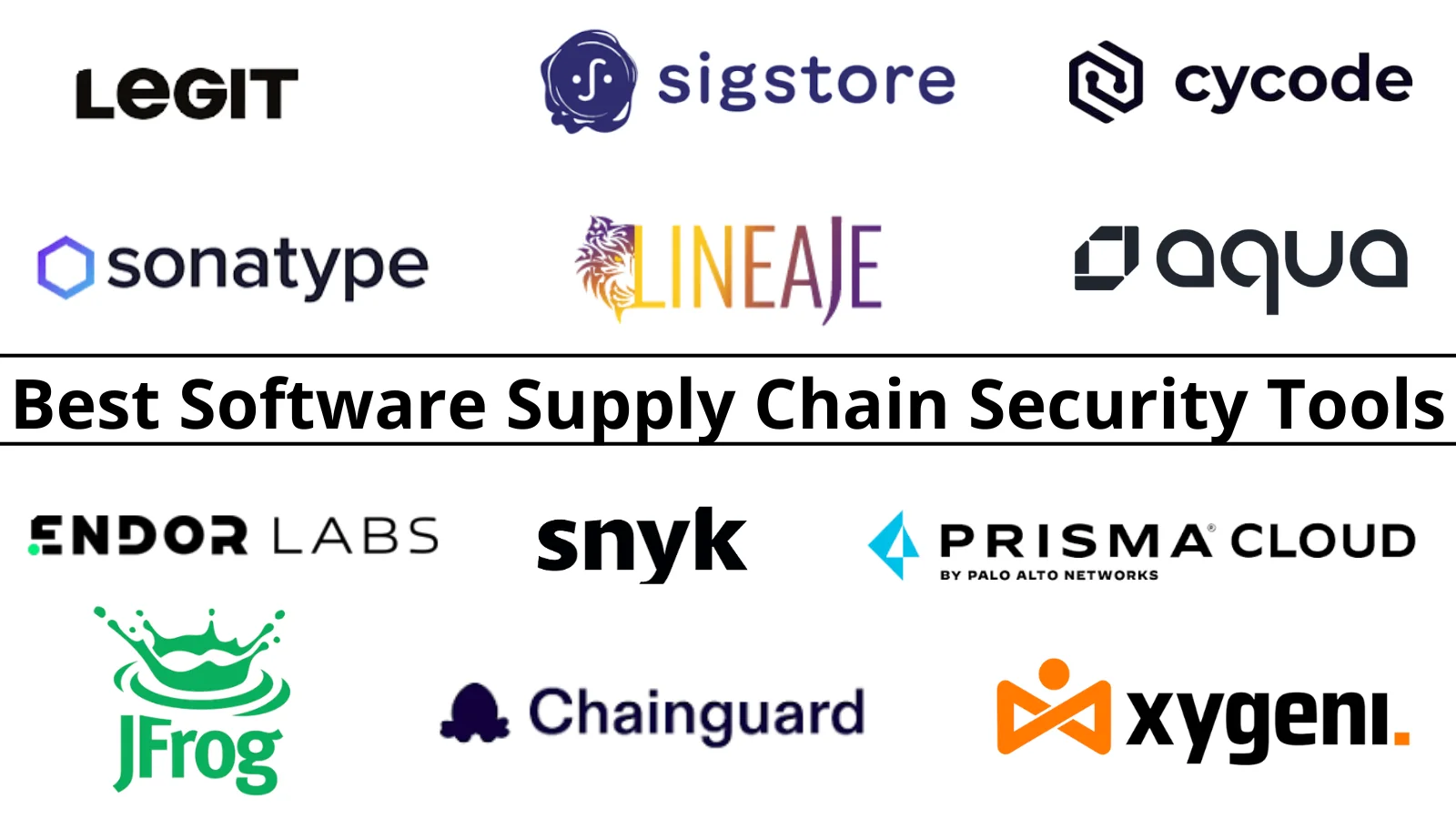
Industry analysts have released a comparative review of the leading software supply‑chain security platforms for 2026, highlighting Chainguard, Sonatype and the Scribe/Lineaje suite as the most differentiated options for protecting container registries.
Chainguard’s offering is positioned in the “eliminate‑the‑problem” tier, focusing on hardened images that are built to be free of known vulnerabilities (zero‑CVE). By providing pre‑validated base images, the platform aims to reduce the need for downstream scanning and remediation, allowing development teams to ship code with a higher baseline of security.
Sonatype occupies the “block‑at‑ingestion” lane, where the tool intercepts artifacts as they enter the registry and enforces policy checks before they become part of the production pipeline. This approach emphasizes early detection of risky dependencies and licensing issues, helping organizations prevent insecure components from propagating through their environments.
The Scribe and Lineaje products, marketed together as a provenance‑attestation solution, focus on tracking the lineage of container images and generating cryptographic attestations that verify each step of the build process. By tying artifacts to immutable records, the suite supports compliance audits and enhances trust in the software supply chain.
These three platforms illustrate the broader shift among enterprises toward baseline protection for container registries. As organizations adopt cloud‑native architectures, the attack surface expands beyond traditional binaries to include images, layers and third‑party components. Security teams are therefore seeking tools that can either prevent vulnerable code from entering the registry, certify that code meets strict standards, or provide verifiable evidence of its integrity. The comparative guide underscores that choosing the right tool depends on an organization’s risk tolerance, existing DevSecOps workflow and regulatory requirements.
Analysts note that the market for container registry security is becoming more crowded, with vendors adding features such as automated remediation, integration with CI/CD pipelines and support for multi‑cloud environments. The next phase of evaluation will likely involve assessing how well these tools interoperate with broader software bill of materials (SBOM) initiatives and emerging standards like the OpenSSF Supply Chain Levels for Software Artifacts (SLSA).
For firms that have yet to implement a dedicated registry security solution, the review suggests starting with a baseline assessment of current exposure, then mapping vendor capabilities to identified gaps. As supply‑chain attacks continue to make headlines, the ability to enforce zero‑CVE images, block insecure artifacts at entry points, or produce tamper‑evident attestations will be key determinants of an organization’s resilience.

Comments (0)
Be the first to comment.
Join the discussion