Secrets Management Landscape 2026: Vault Leads While Cloud‑Native and SaaS Options Gain Ground
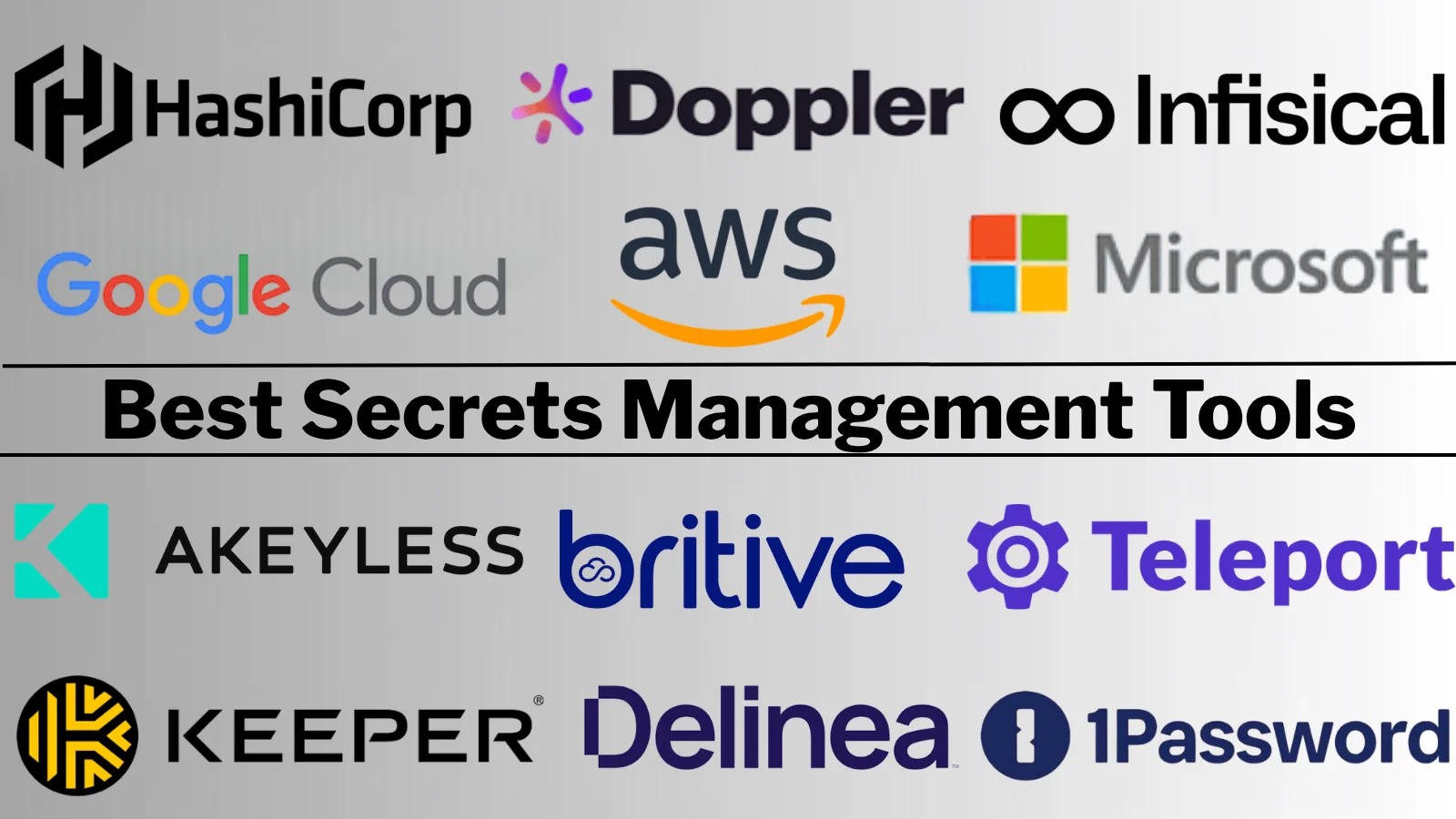
A fresh comparative review of twelve secrets‑management solutions released this year shows HashiCorp Vault retaining its position as the most capable dedicated platform, even after its recent transition to IBM ownership. At the same time, cloud‑native secret stores are emerging as the cost‑effective choice for organizations that operate primarily within a single public‑cloud environment, while the SaaS‑focused offering from Akeyless stands out as the leading alternative to traditional vault products.
The analysis, compiled by the security‑research outlet GBHackers, applied the “dynamic‑secrets” benchmark—a set of tests that measures how quickly a system can generate, rotate, and revoke short‑lived credentials on demand. Vault scored highest overall for flexibility, policy granularity, and integration breadth, confirming its reputation among enterprises that need a full‑featured, on‑premises or self‑hosted secret engine.
For businesses whose workloads are tightly coupled to a single cloud provider, the study found that native services such as AWS Secrets Manager, Azure Key Vault, and Google Secret Manager deliver comparable functionality at a lower price point. Because these services are billed per secret version or API call, they tend to be cheaper than running a dedicated vault cluster, especially when the secret lifecycle is simple and the organization does not require multi‑cloud key escrow.
Akeyless, a pure‑SaaS secrets platform, positioned itself as the most attractive option for teams that want vault‑style capabilities without managing any infrastructure. Its pricing model—based on a per‑user subscription rather than per‑secret usage—appealed to medium‑size dev‑ops groups that value predictable costs and rapid onboarding. The report noted that Akeyless also supports a broad array of authentication methods, including SSO and biometric factors, narrowing the feature gap with traditional vault products.
The growing emphasis on automated secret rotation reflects wider industry pressure to meet compliance standards such as PCI‑DSS, HIPAA, and the emerging European data‑privacy directives. Organizations that fail to adopt dynamic secret management risk exposure to credential leakage and supply‑chain attacks, making the choice of a robust secrets platform a strategic security decision rather than a purely operational convenience.
Looking ahead, analysts anticipate that the market will continue to fragment along deployment models: on‑premises and self‑hosted vaults for highly regulated or multi‑cloud enterprises, cloud‑native stores for single‑cloud adopters focused on cost, and SaaS solutions for fast‑moving teams that prioritize ease of use. Companies evaluating their options are advised to map their workload distribution, compliance obligations, and budgeting preferences against the strengths highlighted in the 2026 comparison before committing to a particular tool.



Comments (0)
Be the first to comment.
Join the discussion