Microsoft Leads Enterprise Passwordless Shift as HYPR and Stytch Shine in Specialized Markets
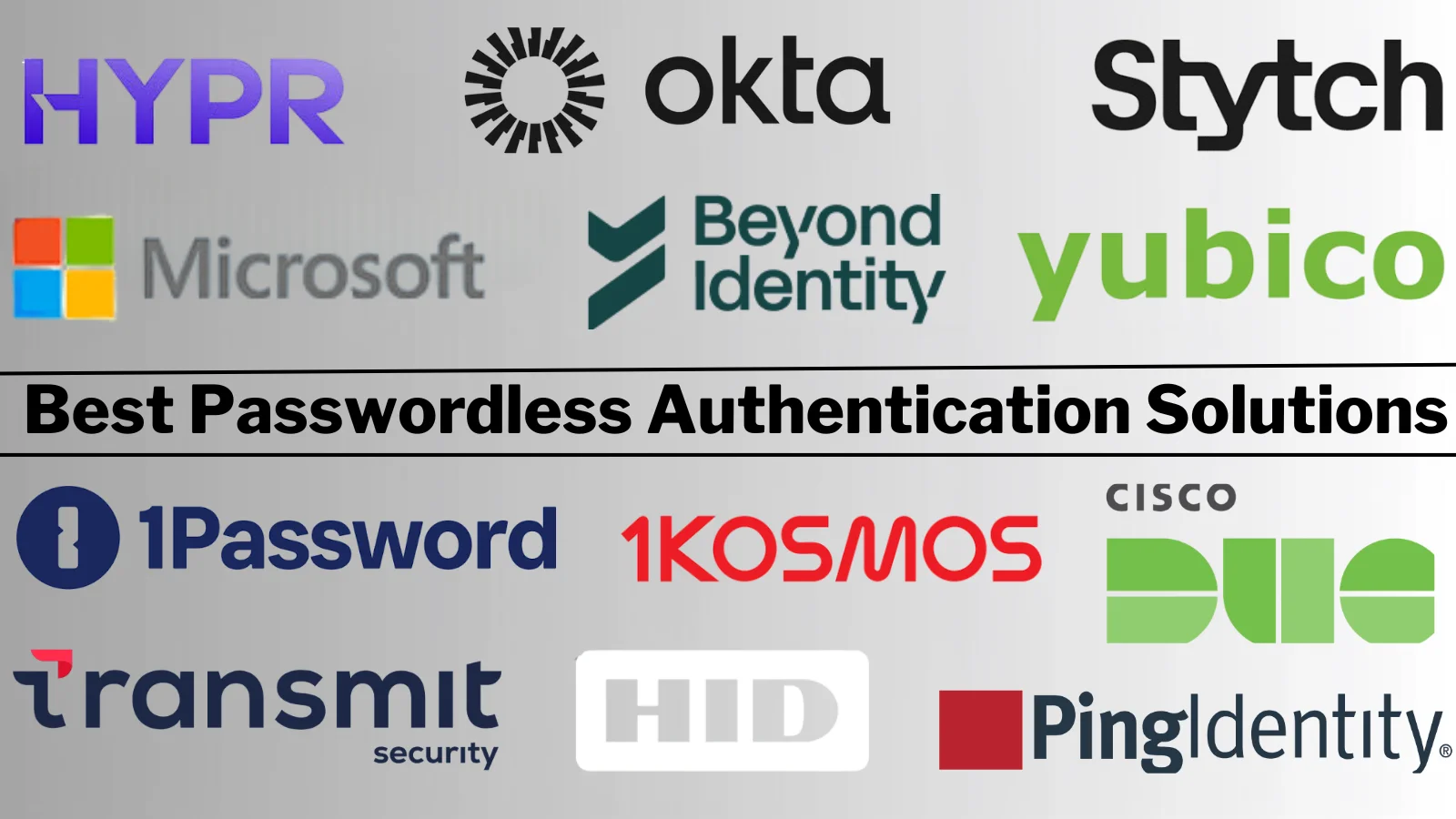
A new comparative review of twelve password‑less authentication providers finds Microsoft emerging as the most practical entry point for the majority of corporate workforces, while HYPR and Stytch dominate more specialized segments.
The analysis arrives amid a broader industry push to replace traditional passwords with biometric, hardware‑based, or cryptographic alternatives. Organizations are seeking to curb credential‑theft breaches, lower help‑desk costs, and streamline user experiences across devices and applications.
Microsoft’s advantage stems from its integration of passkey technology and Windows Hello into the existing licensing framework that many enterprises already possess. By leveraging the same subscription agreements that cover Windows, Office, and Azure services, companies can activate password‑less sign‑ins without additional software purchases, making the transition financially and operationally low‑friction.
In contrast, HYPR positions itself as a dedicated‑platform provider, offering a stand‑alone suite built for environments that require a deeper, hardware‑centric approach. Its architecture focuses on device‑bound credentials and multi‑factor verification, appealing to sectors such as finance and government where regulatory compliance demands an extra layer of assurance.
Stytch occupies the product‑login lane, targeting developers who need to embed password‑less flows directly into consumer‑facing applications. Its APIs and SDKs simplify the addition of passkey or biometric options at the point of sale, sign‑up, or account recovery, allowing businesses to modernize user authentication without overhauling their entire identity stack.
The pricing comparison highlights a wide spectrum: Microsoft’s cost is effectively absorbed within existing enterprise contracts, HYPR charges per‑device or per‑user fees that reflect its hardware‑focused model, and Stytch adopts a usage‑based structure tied to authentication events. The report underscores that the optimal solution depends on an organization’s size, security posture, and the balance between workforce and product authentication needs. As password‑less adoption accelerates, analysts expect further consolidation among vendors and continued innovation in standards such as WebAuthn and FIDO, which will shape the next wave of identity security.


Comments (0)
Be the first to comment.
Join the discussion