Multi‑Cloud Security Landscape Shifts as Vendors Tackle Triple‑Fold Attack and Billing Risks
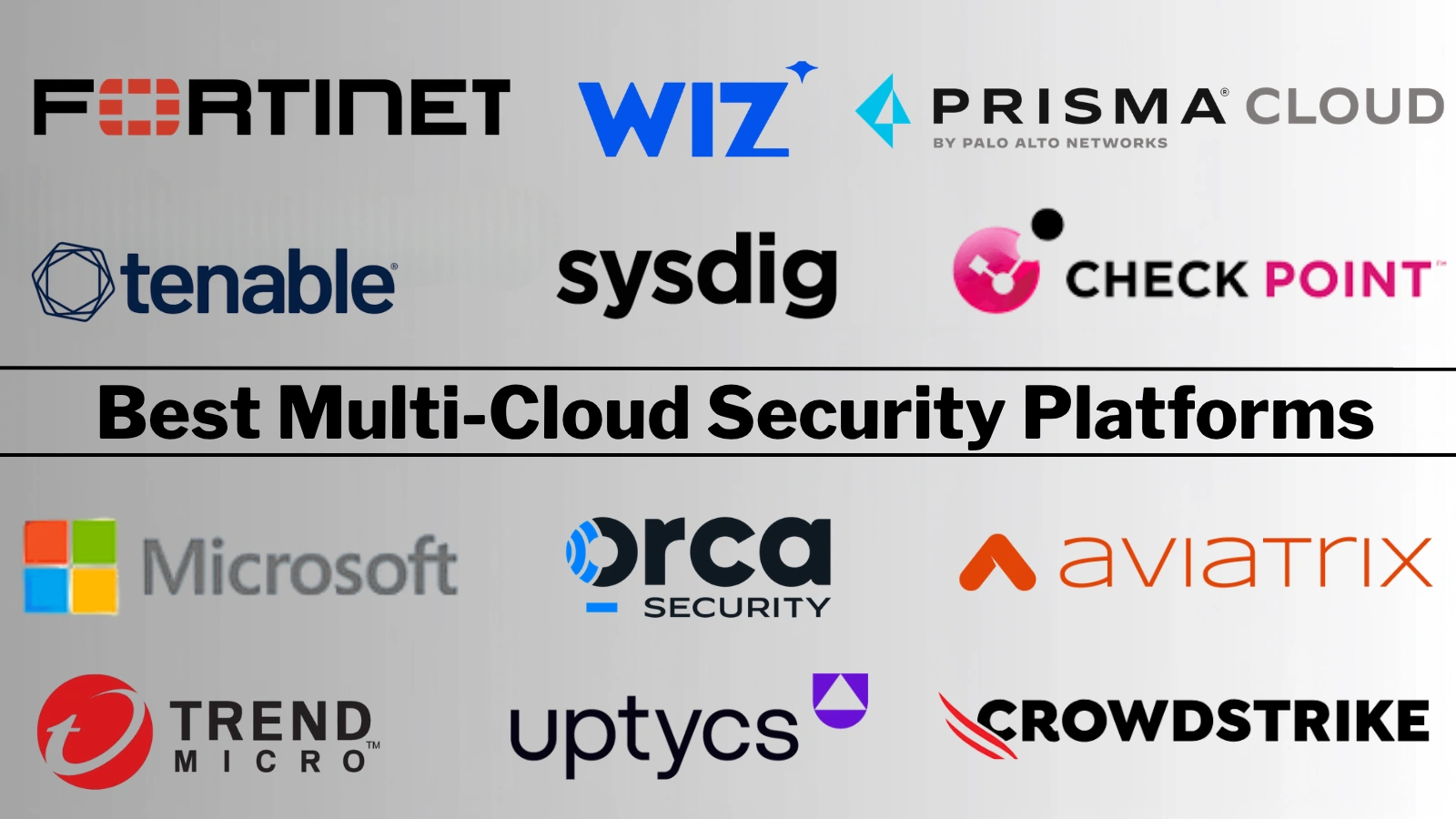
Enterprises that spread workloads across Amazon Web Services, Google Cloud Platform and Microsoft Azure are confronting a new set of security and financial challenges, prompting a fresh comparative analysis of the sector's leading solutions.
The analysis, compiled by independent security outlet GBHackers, notes that moving to a multi‑cloud architecture can effectively triple an organization’s exposure to threats while simultaneously inflating the complexity of cloud‑related expenses. Because each provider bills services differently, the same security workload can carry markedly different price tags depending on where it runs.
Among the twelve platforms reviewed, Wiz and Prisma Cloud stood out for offering a single‑contract model that promises pricing parity across all three major clouds. This approach simplifies procurement and budgeting, allowing customers to secure workloads without negotiating separate agreements for each provider.
Microsoft’s cloud‑security offering took a notable step toward parity by publishing rates that now extend to its AWS and GCP connectors, signaling the tech giant’s intent to compete more directly with pure‑play multi‑cloud vendors. The move also gives Azure customers a clearer cost picture when protecting resources outside Microsoft’s own ecosystem.
Other solutions in the report varied in focus, with some emphasizing compliance automation, others prioritizing runtime vulnerability detection, and a few providing extensive threat‑intelligence integrations. Pricing structures ranged from consumption‑based models to tiered subscriptions, and many vendors still differentiate rates by cloud, reinforcing the billing complexity highlighted at the outset.
Analysts suggest that organizations will need to weigh not only feature sets but also the total cost of ownership when selecting a platform. As multi‑cloud adoption matures, the market may see further consolidation toward providers that can deliver consistent protection and transparent pricing across all environments, a trend that could shape the next wave of cloud‑security investments.



Comments (0)
Be the first to comment.
Join the discussion