Independent Review Ranks the Top Identity Governance and Administration Platforms for 2026
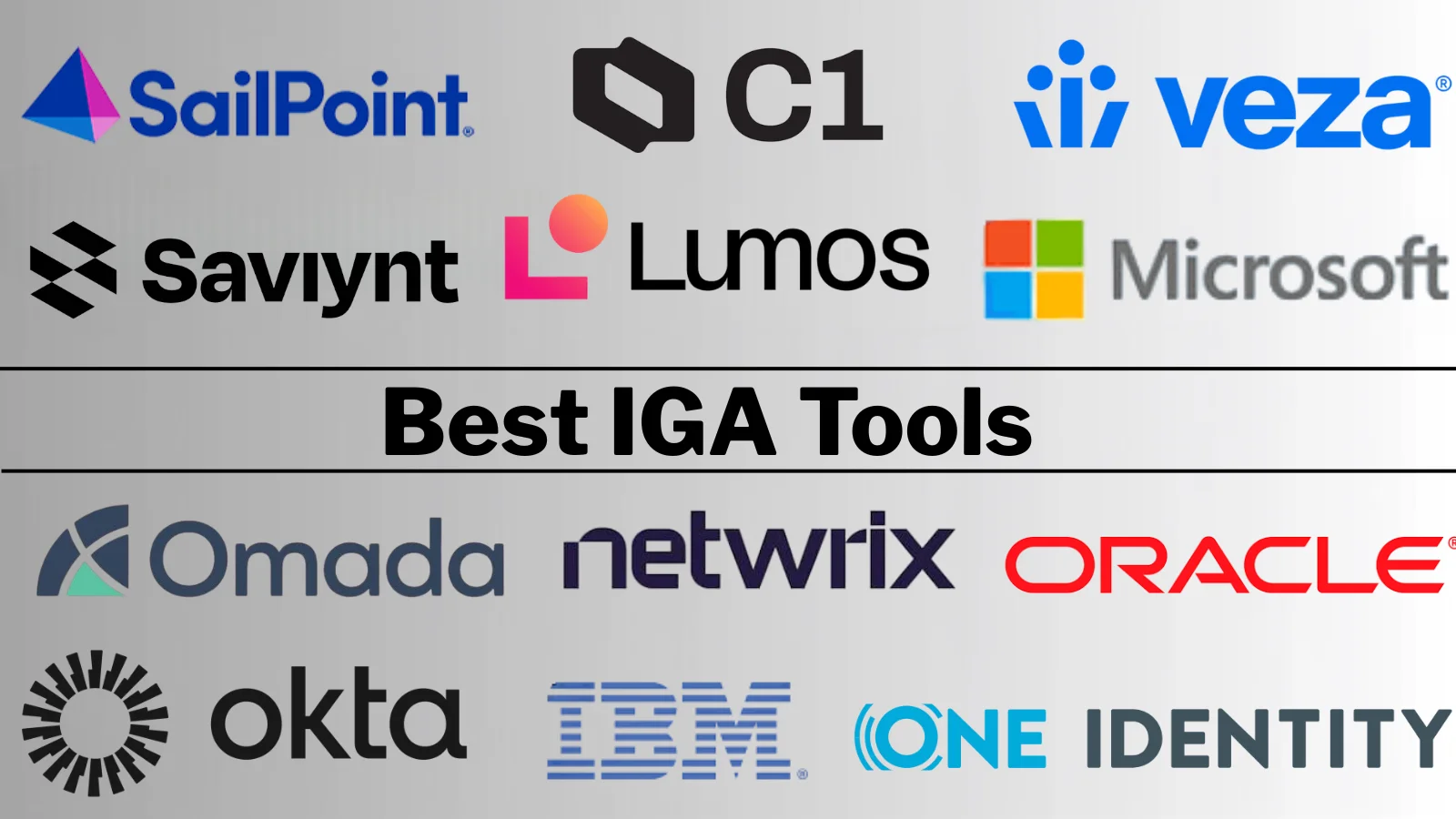
An independent buyer's guide released this week ranks the most capable identity governance and administration (IGA) platforms for 2026, offering security leaders a curated list of solutions that can keep pace with expanding attack surfaces and increasingly hybrid IT environments.
Organizations today must manage a sprawling mix of human users, contractors, service accounts, machine identities and emerging AI agents. As regulatory scrutiny intensifies and data breaches become more costly, the ability to control who can access what resources, when and under which conditions has moved from a nice‑to‑have feature to a core security requirement.
The guide emphasizes that effective IGA tools answer three fundamental questions: who is requesting access, what resources they are entitled to, and when those permissions were granted or revoked. By providing a single source of truth for identity data, these platforms help reduce orphaned accounts, enforce least‑privilege policies and produce audit‑ready logs for compliance audits.
To compile the rankings, analysts evaluated each product against a set of criteria that includes breadth of policy enforcement, scalability across cloud and on‑premises workloads, ease of integration with existing directories and security stacks, the sophistication of built‑in analytics or AI‑driven risk scoring, and demonstrated compliance with standards such as GDPR, CCPA and NIST. Real‑world performance data, customer satisfaction scores and vendor roadmaps were also weighed to ensure the list reflects both current capability and future readiness.
The resulting list groups the solutions into three tiers. Tier 1 features enterprise‑grade suites that combine comprehensive lifecycle management, robust workflow automation and deep analytics, suitable for large multinational corporations. Tier 2 highlights cloud‑native platforms that excel in rapid deployment, API‑first architectures and flexible licensing, appealing to fast‑growing midsize firms. Tier 3 showcases emerging and open‑source options that, while less feature‑rich, offer strong community support and a low barrier to entry for organizations beginning their IGA journey.
Security officers are urged to treat the guide as a starting point rather than a definitive prescription. Organizations should map their own identity risk profile, assess integration points with existing security tools, and pilot shortlisted platforms before committing to a full rollout. As the digital ecosystem continues to evolve, the guide’s authors expect the next edition to place even greater emphasis on AI‑driven identity risk detection and automated remediation, underscoring the dynamic nature of the IGA market.


Comments (0)
Be the first to comment.
Join the discussion